THE ADVENTURE COLLECTIVE® · Independent discovery and booking for outdoor travel

Cover Jordan’s essentials in three days: walk Petra’s Siq, sleep beneath Wadi Rum’s stars, explore Aqaba’s Red Sea edge, and float in the Dead Sea. This private tour stitches archaeology, desert geology, and Bedouin hospitality into a compact adventure.
Cover Jordan’s essentials in three days: walk Petra’s Siq, sleep beneath Wadi Rum’s stars, explore Aqaba’s Red Sea edge, and float in the Dead Sea. This private tour stitches archaeology, desert geology, and Bedouin hospitality into a compact adventure.
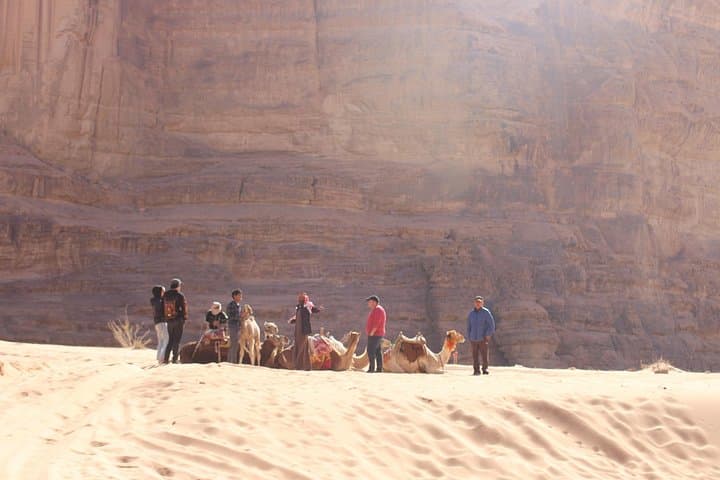
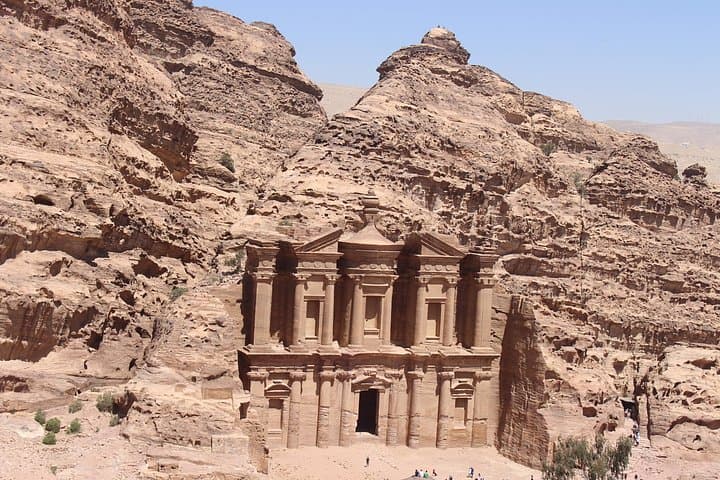
The bus eases out of Amman at dawn and the landscape shifts: olive terraces and limestone villages give way to rose-red cliffs and wind-swept desert. By midday you’re threading a narrow siq into Petra, where carved facades appear like a city frozen mid-breath. Night brings a different sky over Wadi Rum — a scatter of stars so close you can almost touch them.
Verified experiences and guided adventures in the surrounding area.
Operated by Jordanizer · Petra, Ma'an Governorate
The bus eases out of Amman at dawn and the landscape shifts: olive terraces and limestone villages give way to rose-red cliffs and wind-swept desert. By midday you’re threading a narrow siq into Petra, where carved facades appear like a city frozen mid-breath. Night brings a different sky over Wadi Rum — a scatter of stars so close you can almost touch them.
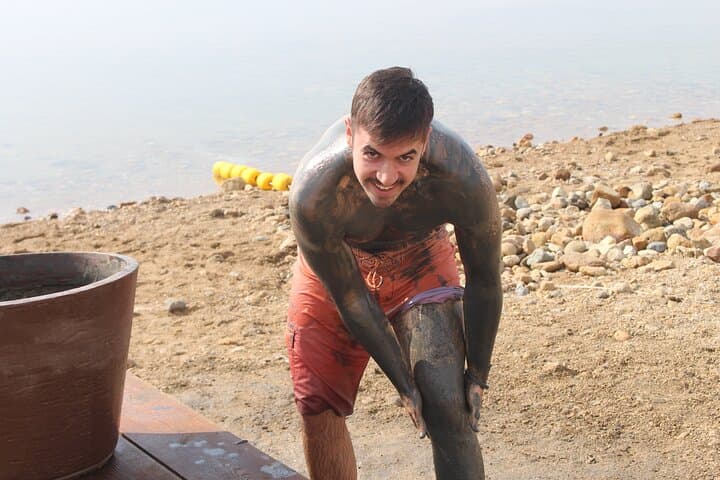
This three-day route stitches together Jordan’s layered past: Byzantine mosaics in Madaba, the Moses memorial at Mount Nebo, the Crusader massiveness of Karak Castle, and the Nabatean engineering of Petra’s water channels and monumental tombs. Geologically, the region moves through limestone plateau into sandstone that the wind and water sculpted into the cliffs and arches of Wadi Rum and the canyon rims above the Dead Sea, which sits 430 meters below sea level.
Culturally the trip balances museum-like archaeology with living Bedouin tradition — campfire cooking, jeep rides across rust-colored dunes, and nights in a desert tent. Expect moderate walking: the Siq and Petra’s main sites are uneven stone and uphill sections; Wadi Rum exploration is mostly by vehicle with short walks and optional camel rides.
Practical guidance: carry ample water and sun protection, buy the Jordan Pass ahead of time if you meet the requirements, and pack a warm layer for desert nights. Entrance fees, some meals, and optional extras (camel rides, certain Petra permits) are typically paid on site. The itinerary compresses long drives with concentrated exploration; plan for early starts to avoid midday heat and crowds.
moderate.
3 days (approx. 72 hours).
Suitable for travelers with moderate fitness — able to handle several hours of walking on uneven terrain, some stairs and short hikes.
The Jordan Pass is not strictly required but it covers visa fees and entry to many sites (including Petra) and is recommended if you meet the stay requirements.
Accommodations and private transportation are included; some meals and all entrance fees are typically paid by travelers unless otherwise stated by the operator.
Many sections involve uneven ground and steps; operators can sometimes modify visits or provide more vehicle time, but full accessibility is limited at certain historic sites.
Bedouin camps range in comfort; this tour includes a traditional camp with meals — bring personal toiletries and warm clothing for night temperatures.
The route connects Nabatean Petra (a rock-carved trading hub), Crusader and Mamluk fortifications like Karak, and longstanding Bedouin desert traditions.
Many sites are within protected reserves; water is scarce—travelers should minimize waste, stick to marked paths, and support local guides to ensure sustainable tourism.
Jordanizer operates guided outdoor trips and adventures with an emphasis on safety, stewardship, and memorable experiences.

The bus eases out of Amman at dawn and the landscape shifts: olive terraces and limestone villages give way to rose-red cliffs and wind-swept desert. By midday you’re threading a narrow siq into Petra, where carved facades appear like a city frozen mid-breath. Night brings a different sky over Wadi Rum — a scatter of stars so close you can almost touch them.
The bus eases out of Amman at dawn and the landscape shifts: olive terraces and limestone villages give way to rose-red cliffs and wind-swept desert. By midday you’re threading a narrow siq into Petra, where carved facades appear like a city frozen mid-breath. Night brings a different sky over Wadi Rum — a scatter of stars so close you can almost touch them.
This three-day route stitches together Jordan’s layered past: Byzantine mosaics in Madaba, the Moses memorial at Mount Nebo, the Crusader massiveness of Karak Castle, and the Nabatean engineering of Petra’s water channels and monumental tombs. Geologically, the region moves through limestone plateau into sandstone that the wind and water sculpted into the cliffs and arches of Wadi Rum and the canyon rims above the Dead Sea, which sits 430 meters below sea level.
Culturally the trip balances museum-like archaeology with living Bedouin tradition — campfire cooking, jeep rides across rust-colored dunes, and nights in a desert tent. Expect moderate walking: the Siq and Petra’s main sites are uneven stone and uphill sections; Wadi Rum exploration is mostly by vehicle with short walks and optional camel rides.
Practical guidance: carry ample water and sun protection, buy the Jordan Pass ahead of time if you meet the requirements, and pack a warm layer for desert nights. Entrance fees, some meals, and optional extras (camel rides, certain Petra permits) are typically paid on site. The itinerary compresses long drives with concentrated exploration; plan for early starts to avoid midday heat and crowds.