THE ADVENTURE COLLECTIVE® · Independent discovery and booking for outdoor travel

Float over coral nurseries in Lipah Bay and learn restoration techniques from an Indonesian marine biologist. This shore-based snorkel pairs hands-on planting with education and supports local reef recovery.
Float over coral nurseries in Lipah Bay and learn restoration techniques from an Indonesian marine biologist. This shore-based snorkel pairs hands-on planting with education and supports local reef recovery.
Morning light slants across Lipah Bay and the black volcanic sand hums underfoot as participants gather on shore. Guides unpack mesh trays and a local marine biologist lays out plastic plugs; the sea, calm and glassy, invites you to float over gardens of hard and soft corals where finger-like colonies sway and small fish dart like punctuation.
Verified experiences and guided adventures in the surrounding area.
Operated by Ocean Gardener · Amed, Bali
Morning light slants across Lipah Bay and the black volcanic sand hums underfoot as participants gather on shore. Guides unpack mesh trays and a local marine biologist lays out plastic plugs; the sea, calm and glassy, invites you to float over gardens of hard and soft corals where finger-like colonies sway and small fish dart like punctuation.
Amed's coast is shaped by Mount Agung's volcanic history — dark beaches and sheltered bays provide the substrate reefs need to recover. Historically a string of fishing villages, the area now balances traditional livelihoods with growing eco-tourism; community-run nurseries have become focal points for both education and restoration since programs began scaling up in the 2010s.
The experience blends classroom and ocean: a short illustrated talk on coral biology, threats such as bleaching and sedimentation, then a shore-snorkel to the nursery during low tide. Participants learn to fragment donor colonies responsibly, mount cuttings on plugs, and return them to the nursery for monitoring and later outplanting. The work is hands-on, practical, and rooted in local stewardship.
Practicalities: arrive with reef-safe sunscreen, a snug mask, and basic snorkeling comfort; all snorkel equipment is provided. Expect shallow swims in calm conditions, occasional boat-free shore entries, and interaction with juvenile reef fish and the fragile coral structures. The tour supports local conservation—profits fund ongoing monitoring—so your morning in the water directly contributes to reef recovery. Plan for early starts to catch the best visibility and minimal tide-driven currents.
easy.
4 hours.
Light swimming ability and comfort in shallow open water; suitable for most fitness levels
No — the tour is beginner-friendly and equipment is provided; basic comfort with breathing through a snorkel and floating is recommended.
Age limits vary, but most programs accept older children who can snorkel safely; check with the operator for exact minimum ages.
Yes, under supervision you will fragment donor pieces and attach them to plugs following protocols designed to minimize harm to source colonies.
Inform your guide immediately — they monitor nursery health and coordinate any necessary care or reporting to the NGO team.
Amed developed as a coastal fishing cluster on volcanic sands; in recent years community-led coral nurseries have emerged to repair reefs damaged by bleaching and sedimentation.
The program prioritizes outplanting, ongoing monitoring and community reinvestment; visitors are asked to use reef-safe products and follow handling protocols to limit disturbance.
Ocean Gardener operates guided outdoor trips and adventures with an emphasis on safety, stewardship, and memorable experiences.
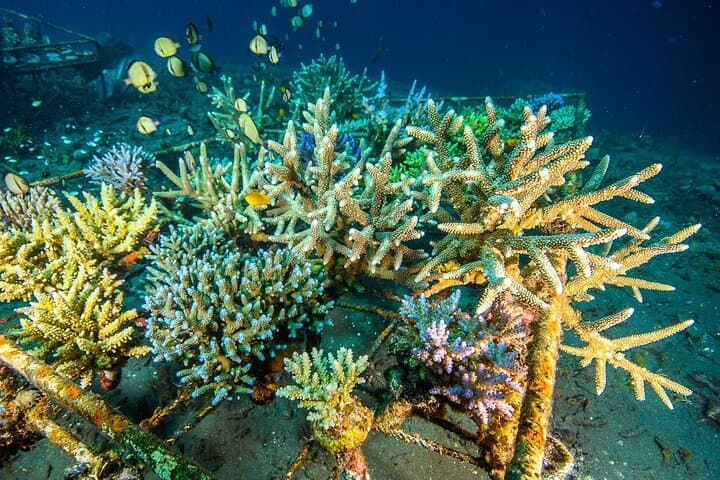
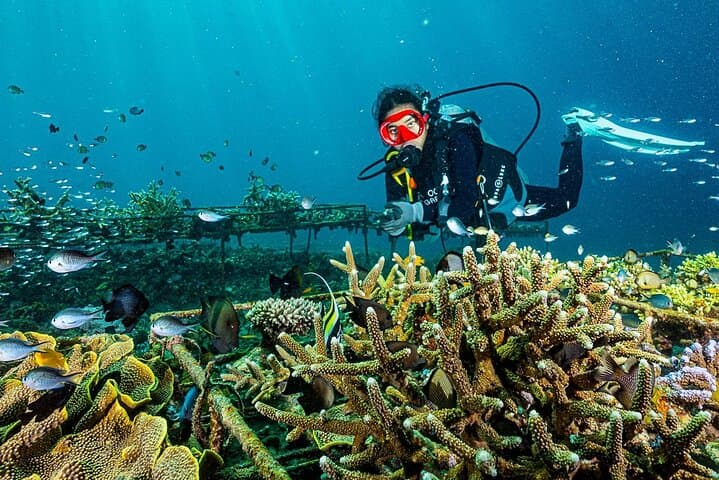
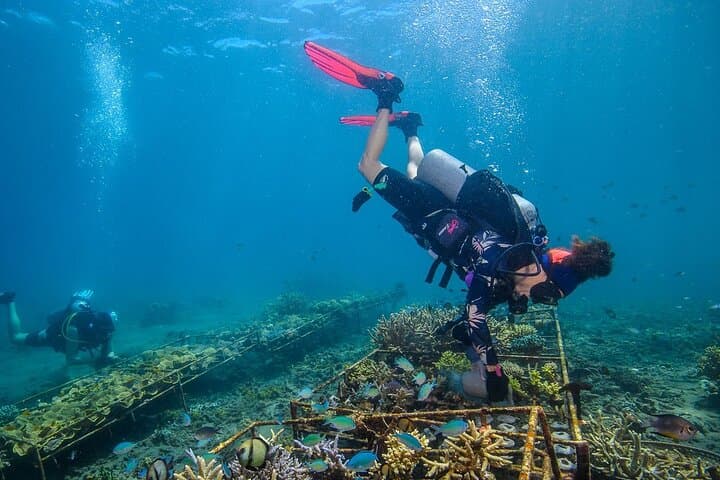
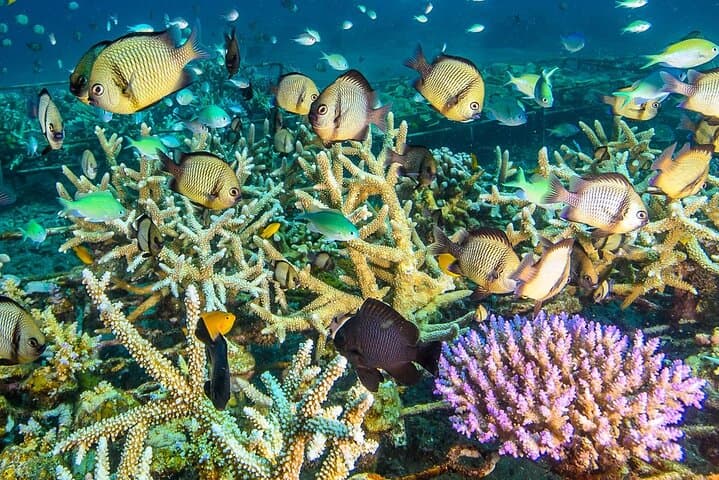
Morning light slants across Lipah Bay and the black volcanic sand hums underfoot as participants gather on shore. Guides unpack mesh trays and a local marine biologist lays out plastic plugs; the sea, calm and glassy, invites you to float over gardens of hard and soft corals where finger-like colonies sway and small fish dart like punctuation.
Morning light slants across Lipah Bay and the black volcanic sand hums underfoot as participants gather on shore. Guides unpack mesh trays and a local marine biologist lays out plastic plugs; the sea, calm and glassy, invites you to float over gardens of hard and soft corals where finger-like colonies sway and small fish dart like punctuation.
Amed's coast is shaped by Mount Agung's volcanic history — dark beaches and sheltered bays provide the substrate reefs need to recover. Historically a string of fishing villages, the area now balances traditional livelihoods with growing eco-tourism; community-run nurseries have become focal points for both education and restoration since programs began scaling up in the 2010s.
The experience blends classroom and ocean: a short illustrated talk on coral biology, threats such as bleaching and sedimentation, then a shore-snorkel to the nursery during low tide. Participants learn to fragment donor colonies responsibly, mount cuttings on plugs, and return them to the nursery for monitoring and later outplanting. The work is hands-on, practical, and rooted in local stewardship.
Practicalities: arrive with reef-safe sunscreen, a snug mask, and basic snorkeling comfort; all snorkel equipment is provided. Expect shallow swims in calm conditions, occasional boat-free shore entries, and interaction with juvenile reef fish and the fragile coral structures. The tour supports local conservation—profits fund ongoing monitoring—so your morning in the water directly contributes to reef recovery. Plan for early starts to catch the best visibility and minimal tide-driven currents.