THE ADVENTURE COLLECTIVE® · Independent discovery and booking for outdoor travel

Walk among humming rollers and green tiers of tea at Amchong, where pluckers still set the rhythm and a guided tasting reveals how Assam flavor is made. This short estate-and-factory tour pairs fieldwork with close-up processing and a high-tea finish.
Walk among humming rollers and green tiers of tea at Amchong, where pluckers still set the rhythm and a guided tasting reveals how Assam flavor is made. This short estate-and-factory tour pairs fieldwork with close-up processing and a high-tea finish.
You step from the 4x4 onto a sea of trimmed green—rows of tea bushes rise and fall like a low, deliberate wave that seems to breathe. Early steam from the factory mixes with the scent of crushed leaves and wet earth; pickers move through the rows with practiced rhythm, baskets bobbing at their hips.
Verified experiences and guided adventures in the surrounding area.
Operated by Amchong Park and Resorts · Jorhat, Assam
You step from the 4x4 onto a sea of trimmed green—rows of tea bushes rise and fall like a low, deliberate wave that seems to breathe. Early steam from the factory mixes with the scent of crushed leaves and wet earth; pickers move through the rows with practiced rhythm, baskets bobbing at their hips.
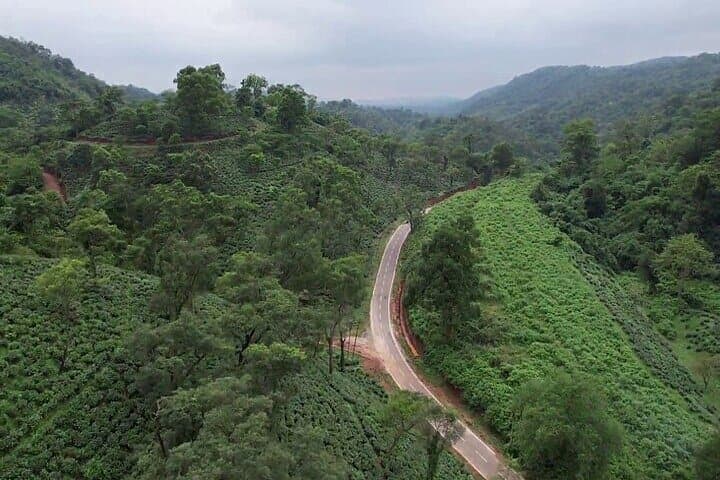
Tea growing in Assam is rooted in the Brahmaputra valley’s rich alluvial soils and a monsoon climate that forces the plant to be generous. Amchong’s fields reflect a working landscape shaped over a century of plantation agriculture; the factory nearby maps that labour into withering rooms, rolling machines, and drying chambers where aroma concentrates. Culturally, tea is woven into daily life here—high-tea is not just refreshment but a moment to compare notes on terroir, season, and processing.
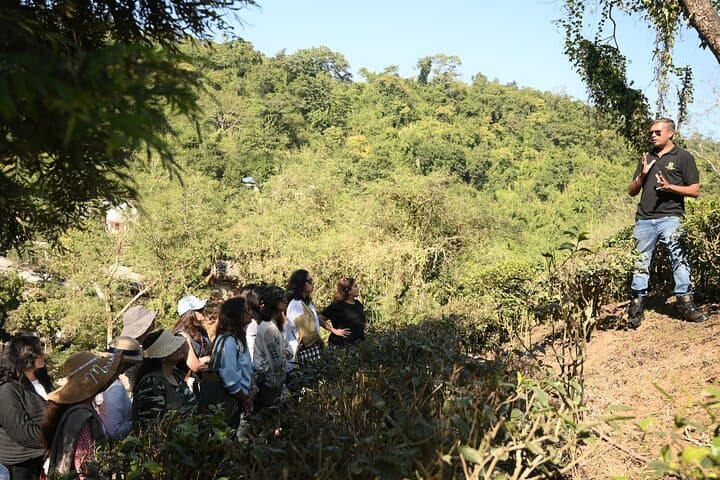
The guided walk introduces nursery beds, plucking lines, and the chance to try a pluck yourself when harvest is underway. In the factory you’ll see withering, rolling, fermentation, firing, and sorting—each stage alters flavour and mouthfeel. The tasting at the end sharpens those differences: bright, malty Assam blacks and fresher garden greens.
Practicalities: wear sturdy, closed shoes for wet trails, bring sun protection and a light rain shell during monsoon months. Expect 2–3 hours on your feet and moderate walking across uneven ground. Photography is welcomed but respectful interaction with workers is expected—ask before photographing. Buying fresh-picked tea directly from the estate supports small-scale workers and makes a memorable take-home.
moderate.
2–3 hours.
Suitable for travelers with moderate fitness—standing and walking on uneven ground for up to 90 minutes during the estate and factory visits.
The experience typically lasts 2–3 hours, including the estate walk, factory visit, and a tasting session.
Yes—when plucking is in progress guests are usually invited to try plucking under guidance; it depends on harvest timing.
Yes—high-tea, light snacks (veg sandwich, pakora with tea), and bottled water are included in the tour price.
Children can participate but infants must sit on laps; the tour involves walking on uneven ground and is not recommended for those with serious spinal or cardiovascular conditions.
Assam tea plantations expanded under British colonial enterprise in the 19th century; estates like Amchong grew from nursery experiments into commercial gardens that shaped local economies.
Sustainable sourcing and fair-wage practices are variable—buying directly from the estate supports local workers, and visitors should avoid disturbing workers and wildlife to reduce impact.
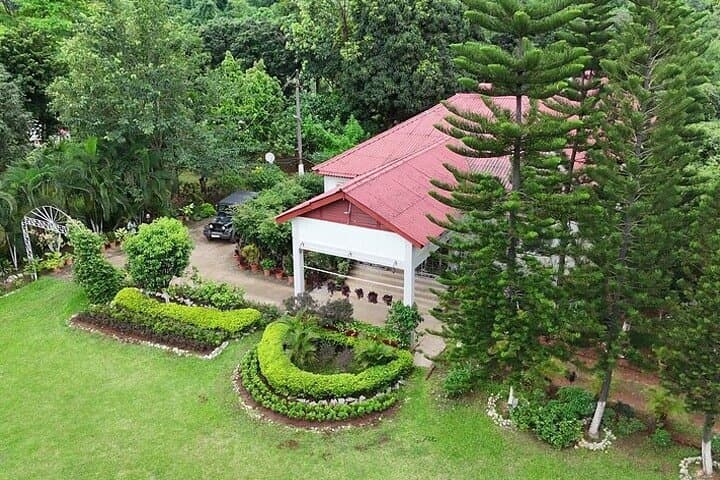
Amchong Park and Resorts operates guided outdoor trips and adventures with an emphasis on safety, stewardship, and memorable experiences.
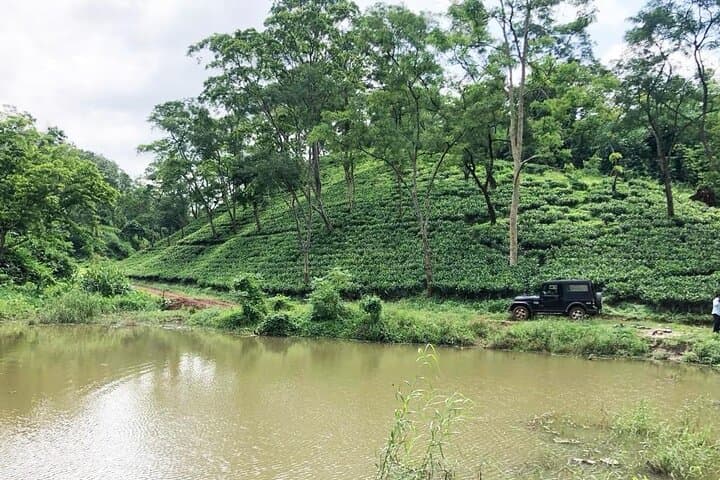
You step from the 4x4 onto a sea of trimmed green—rows of tea bushes rise and fall like a low, deliberate wave that seems to breathe. Early steam from the factory mixes with the scent of crushed leaves and wet earth; pickers move through the rows with practiced rhythm, baskets bobbing at their hips.
You step from the 4x4 onto a sea of trimmed green—rows of tea bushes rise and fall like a low, deliberate wave that seems to breathe. Early steam from the factory mixes with the scent of crushed leaves and wet earth; pickers move through the rows with practiced rhythm, baskets bobbing at their hips.
Tea growing in Assam is rooted in the Brahmaputra valley’s rich alluvial soils and a monsoon climate that forces the plant to be generous. Amchong’s fields reflect a working landscape shaped over a century of plantation agriculture; the factory nearby maps that labour into withering rooms, rolling machines, and drying chambers where aroma concentrates. Culturally, tea is woven into daily life here—high-tea is not just refreshment but a moment to compare notes on terroir, season, and processing.
The guided walk introduces nursery beds, plucking lines, and the chance to try a pluck yourself when harvest is underway. In the factory you’ll see withering, rolling, fermentation, firing, and sorting—each stage alters flavour and mouthfeel. The tasting at the end sharpens those differences: bright, malty Assam blacks and fresher garden greens.
Practicalities: wear sturdy, closed shoes for wet trails, bring sun protection and a light rain shell during monsoon months. Expect 2–3 hours on your feet and moderate walking across uneven ground. Photography is welcomed but respectful interaction with workers is expected—ask before photographing. Buying fresh-picked tea directly from the estate supports small-scale workers and makes a memorable take-home.