
Amboseli National Park Day Tour: Kilimanjaro Views & Big Game from Nairobi
A long day trip from Nairobi into Amboseli delivers close-up wildlife viewing with a potential Kilimanjaro backdrop. Expect full-day game drives, optional Maasai village visits, and a wildlife-rich plain shaped by volcanic geology.
An Adventure In Nairobi.
A long day trip from Nairobi into Amboseli delivers close-up wildlife viewing with a potential Kilimanjaro backdrop. Expect full-day game drives, optional Maasai village visits, and a wildlife-rich plain shaped by volcanic geology.
Read the full experience
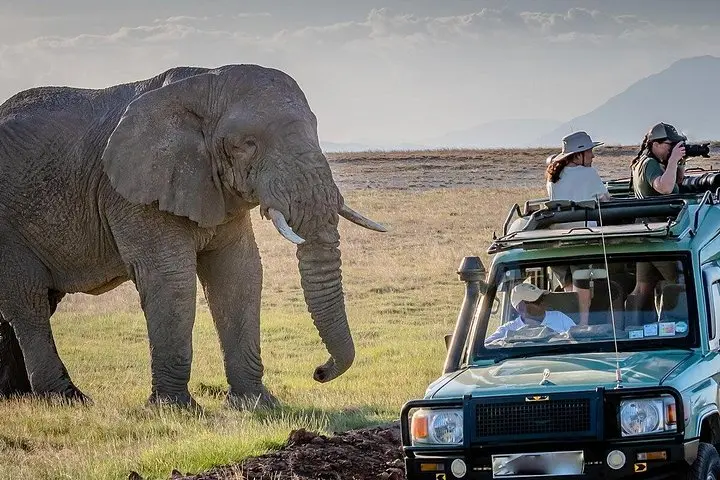
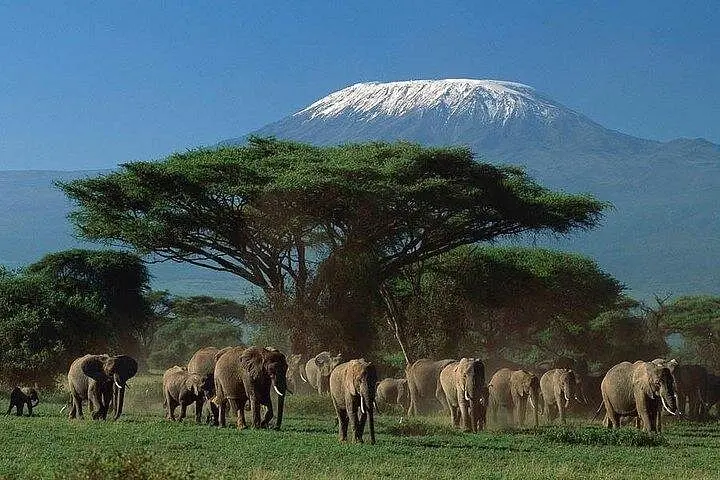
You crest the long, red ribbon of road as Mt. Kilimanjaro fills the windshield—a white crown above flat, dusty plains where elephants move like weather patterns. Early light slants through acacia branches; the guide lifts the pop-up roof and the world narrows to a ring of wind, camera lenses and the low rumble of distant hooves.
You crest the long, red ribbon of road as Mt. Kilimanjaro fills the windshield—a white crown above flat, dusty plains where elephants move like weather patterns. Early light slants through acacia branches; the guide lifts the pop-up roof and the world narrows to a ring of wind, camera lenses and the low rumble of distant hooves.
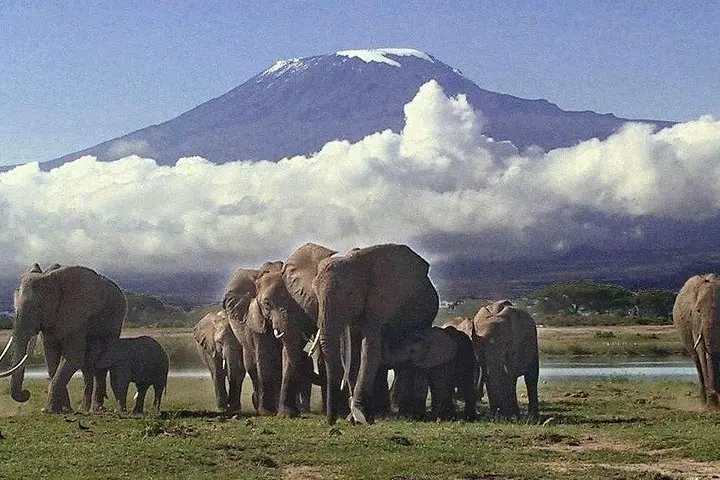
Amboseli sits at the foot of Africa’s highest freestanding mountain and was designated a national park to protect its iconic elephant populations and the Maasai grazing lands around them. The plains are shaped by volcanic ash and seasonal swamps; Kilimanjaro’s glaciers and lava flows created the dramatic backdrop that makes Amboseli one of the continent’s best observation arenas. The Maasai remain a visible cultural presence—children sometimes line the roads to greet visitors and optional cultural stops offer a grounded look at pastoral life.
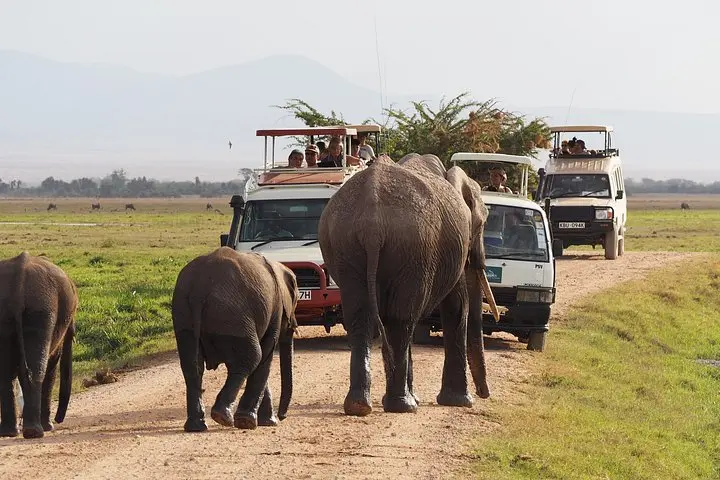
Expect a full, vehicle-led day: early pickup from Nairobi, game drives across open, low-vegetation country, and a midday lunch at a camp or lodge before the return trip. Wildlife viewing concentrates on elephants, giraffes, zebra and predators drawn to watering points; birdship quietly punctuates the silence. Weather dictates what you see—clear mornings mean unforgettable Kili views; rain can put clouds over the peak and make tracks sticky.
Practical notes: bring binoculars, sun protection and layered clothing for fluctuating temperatures in the van. Park fees are paid separately; reserve an early departure to maximize morning sightings and aim for dry months for the best chance of a clear mountain panorama.
Frequently asked questions
No—park admission and conservation fees are paid separately, typically on arrival; confirm accepted payment methods with your operator.
The drive is roughly 4–5 hours each way depending on traffic and road conditions; plan for a full 10–12 hour day including game drives.
Dry months—typically June to October and January to February—offer the clearest skies, especially early mornings before cloud build-up.
Yes—many operators offer an optional stop at a Maasai community for cultural visits; request this when booking and respect local customs and fees.
About This Experience
Muringa Kenya Tours & Safaris Ltd operates guided outdoor trips and adventures with an emphasis on safety, stewardship, and memorable experiences.
Adventure tips
Recommended gear
- Binoculars: Essential for scanning plains and picking out distant wildlife and birds.
- Sun hat and sunscreen: Open plains and high UV from the equatorial sun make sun protection critical.
- Sturdy, closed-toe shoes: Useful for short walks at viewpoints and getting in and out of vehicles.
- Light layers and a windbreaker: Temperatures can be cool in early morning and change with elevation and wind.
Photos of the experience
Related adventures & guides
Read the full experience
You crest the long, red ribbon of road as Mt. Kilimanjaro fills the windshield—a white crown above flat, dusty plains where elephants move like weather patterns. Early light slants through acacia branches; the guide lifts the pop-up roof and the world narrows to a ring of wind, camera lenses and the low rumble of distant hooves.
You crest the long, red ribbon of road as Mt. Kilimanjaro fills the windshield—a white crown above flat, dusty plains where elephants move like weather patterns. Early light slants through acacia branches; the guide lifts the pop-up roof and the world narrows to a ring of wind, camera lenses and the low rumble of distant hooves.
Amboseli sits at the foot of Africa’s highest freestanding mountain and was designated a national park to protect its iconic elephant populations and the Maasai grazing lands around them. The plains are shaped by volcanic ash and seasonal swamps; Kilimanjaro’s glaciers and lava flows created the dramatic backdrop that makes Amboseli one of the continent’s best observation arenas. The Maasai remain a visible cultural presence—children sometimes line the roads to greet visitors and optional cultural stops offer a grounded look at pastoral life.
Expect a full, vehicle-led day: early pickup from Nairobi, game drives across open, low-vegetation country, and a midday lunch at a camp or lodge before the return trip. Wildlife viewing concentrates on elephants, giraffes, zebra and predators drawn to watering points; birdship quietly punctuates the silence. Weather dictates what you see—clear mornings mean unforgettable Kili views; rain can put clouds over the peak and make tracks sticky.
Practical notes: bring binoculars, sun protection and layered clothing for fluctuating temperatures in the van. Park fees are paid separately; reserve an early departure to maximize morning sightings and aim for dry months for the best chance of a clear mountain panorama.
Make a day of it nearby.
Verified experiences and guided adventures in the surrounding area.