THE ADVENTURE COLLECTIVE® · Independent discovery and booking for outdoor travel

A full-day safari from Nairobi into Amboseli puts Africa’s largest tuskers and sweeping Kilimanjaro panoramas within reach. Expect long road travel, concentrated game drives, and reliable sightings of elephant family groups.
A full-day safari from Nairobi into Amboseli puts Africa’s largest tuskers and sweeping Kilimanjaro panoramas within reach. Expect long road travel, concentrated game drives, and reliable sightings of elephant family groups.
Dawn arrives flat and loud across the Kenyan plains, Kilimanjaro’s white cap a distant, silent judge as the safari vehicle pushes through dust and acacia shadows. Early light chisels the contours of bull elephants moving in slow, deliberate columns; their tusks catch the sun and the land answers with a chorus of bird calls and distant zebra hooves.
Verified experiences and guided adventures in the surrounding area.
Operated by African Beast tours and safaris · Amboseli, Kajiado County
Dawn arrives flat and loud across the Kenyan plains, Kilimanjaro’s white cap a distant, silent judge as the safari vehicle pushes through dust and acacia shadows. Early light chisels the contours of bull elephants moving in slow, deliberate columns; their tusks catch the sun and the land answers with a chorus of bird calls and distant zebra hooves.
Amboseli occupies a low-lying basin shaped by volcanic activity and seasonal wetlands fed from Mount Kilimanjaro’s melt. The park’s open plains and scattered swamps have supported Maasai pastoralists for generations; their colorful herds and seasonal grazing patterns are part of the human ecology here. Geologically, the dramatic backdrop of Kilimanjaro—Africa’s highest free-standing peak—frames much of Amboseli’s scenic identity.
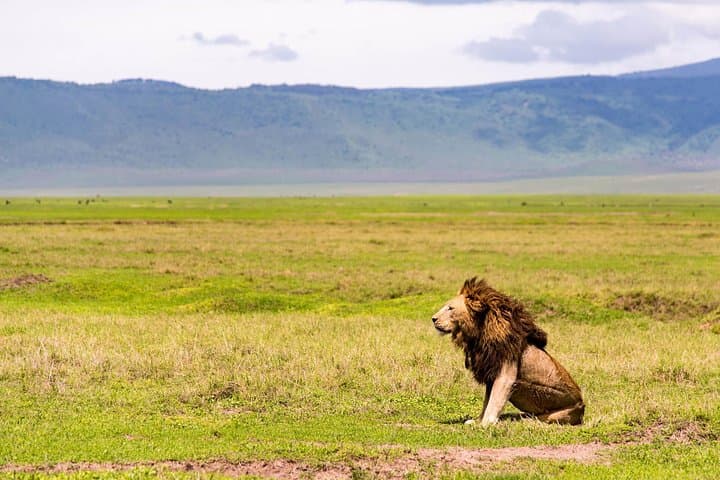
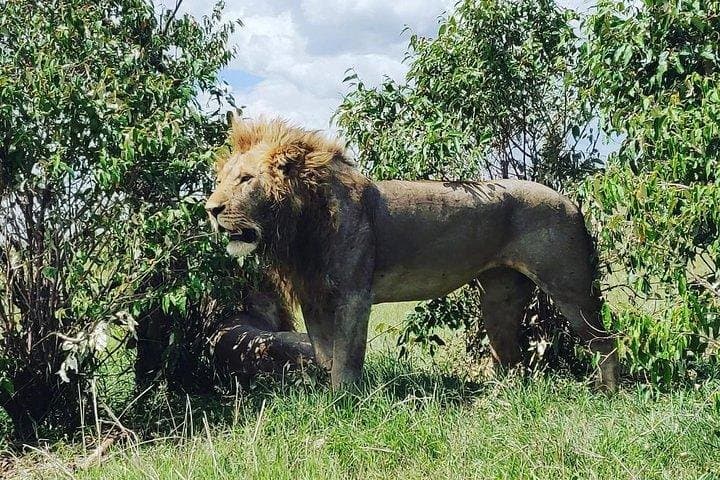
On a day tour visitors can expect multiple game drives, concentrated wildlife sightings, and short walks at viewpoints. Elephants dominate sightings, often in family groups exceeding several dozen, and sightings of giraffe, zebra, buffalo, and grazing antelopes are common. Predators—lions, hyena, serval—are present but more elusive, active in low light.
Practical guidance: departures are very early and return by evening, so prepare for long hours in a pop-up-roof safari vehicle, intermittent shade, and dusty tracks. Carry sun protection, binoculars, and a camera with a telephoto lens. Respect local Maasai lands—ask before photographing people—and follow guides’ instructions during wildlife encounters to keep distance and minimize disturbance. The tour includes bottled water and hotel pickup; bring a light rain layer in the wet seasons. Timing your visit for clear mornings delivers the best Kilimanjaro views and the most active wildlife hours.
easy.
12 hours (approx).
Suitable for most fitness levels; mostly vehicle-based with short on-foot stops and light walking.
Expect roughly 3.5–4.5 hours each way depending on traffic and road conditions, making this a 10–12 hour day.
Kilimanjaro is visible on clear mornings; clouds often obscure the summit later in the day, so early game drives give the best views.
This tour typically includes bottled water and hotel pickup; lunch at a lodge is usually at own expense unless otherwise specified.
Yes—infant seats are available—but long travel times and wildlife unpredictability should be considered when bringing young children.
Amboseli has long been intertwined with Maasai pastoralists; the park was established in the 1970s to protect its unique wetland-savanna mosaic and resident elephant populations.
Human-wildlife coexistence and water management from Kilimanjaro’s meltwaters are central conservation concerns; support local guides and lodges that invest in community-based conservation.
African Beast tours and safaris operates guided outdoor trips and adventures with an emphasis on safety, stewardship, and memorable experiences.
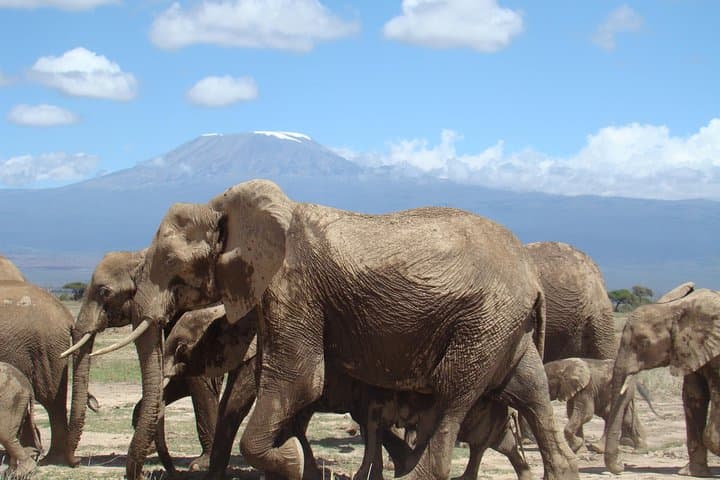
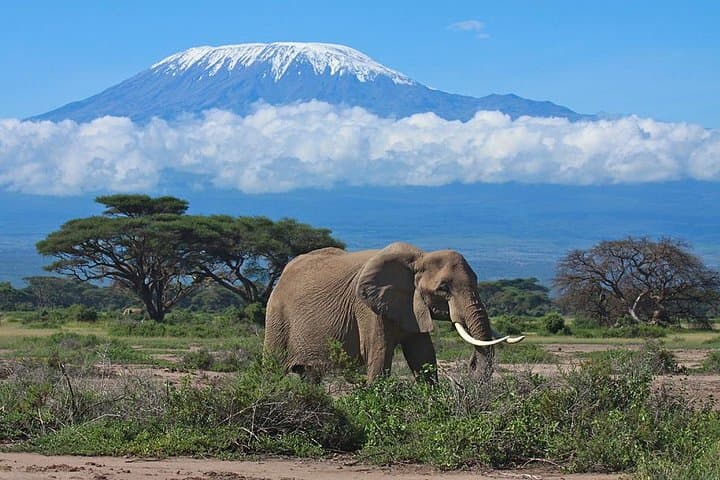
Dawn arrives flat and loud across the Kenyan plains, Kilimanjaro’s white cap a distant, silent judge as the safari vehicle pushes through dust and acacia shadows. Early light chisels the contours of bull elephants moving in slow, deliberate columns; their tusks catch the sun and the land answers with a chorus of bird calls and distant zebra hooves.
Dawn arrives flat and loud across the Kenyan plains, Kilimanjaro’s white cap a distant, silent judge as the safari vehicle pushes through dust and acacia shadows. Early light chisels the contours of bull elephants moving in slow, deliberate columns; their tusks catch the sun and the land answers with a chorus of bird calls and distant zebra hooves.
Amboseli occupies a low-lying basin shaped by volcanic activity and seasonal wetlands fed from Mount Kilimanjaro’s melt. The park’s open plains and scattered swamps have supported Maasai pastoralists for generations; their colorful herds and seasonal grazing patterns are part of the human ecology here. Geologically, the dramatic backdrop of Kilimanjaro—Africa’s highest free-standing peak—frames much of Amboseli’s scenic identity.
On a day tour visitors can expect multiple game drives, concentrated wildlife sightings, and short walks at viewpoints. Elephants dominate sightings, often in family groups exceeding several dozen, and sightings of giraffe, zebra, buffalo, and grazing antelopes are common. Predators—lions, hyena, serval—are present but more elusive, active in low light.
Practical guidance: departures are very early and return by evening, so prepare for long hours in a pop-up-roof safari vehicle, intermittent shade, and dusty tracks. Carry sun protection, binoculars, and a camera with a telephoto lens. Respect local Maasai lands—ask before photographing people—and follow guides’ instructions during wildlife encounters to keep distance and minimize disturbance. The tour includes bottled water and hotel pickup; bring a light rain layer in the wet seasons. Timing your visit for clear mornings delivers the best Kilimanjaro views and the most active wildlife hours.