THE ADVENTURE COLLECTIVE® · Independent discovery and booking for outdoor travel

Spend two days tracking elephant herds beneath the looming presence of Mount Kilimanjaro. This compact safari packs morning and evening game drives, wetland vistas, and Maasai cultural context into an accessible overnight trip from Nairobi.
Spend two days tracking elephant herds beneath the looming presence of Mount Kilimanjaro. This compact safari packs morning and evening game drives, wetland vistas, and Maasai cultural context into an accessible overnight trip from Nairobi.
Dawn breaks over open savanna and the silhouette of Mount Kilimanjaro dominates the sky, its snowcap catching first light while elephants move through morning dust.
Verified experiences and guided adventures in the surrounding area.
Dawn breaks over open savanna and the silhouette of Mount Kilimanjaro dominates the sky, its snowcap catching first light while elephants move through morning dust.
Amboseli National Park is one of East Africa’s most cinematic wildlife arenas — a lowland plain framed by volcanic highlands and fed by a chain of seasonal swamps. The park’s shallow wetlands and alkaline pans were sculpted by tectonic shifts and volcanic deposits; Mount Kilimanjaro, a dormant stratovolcano across the border in Tanzania, provides the dramatic backdrop that defines the landscape.
For centuries the Maasai have grazed cattle on the park’s fringes; today community conservancies and park management balance tourism, pastoralism, and habitat protection. Cultural encounters with Maasai guides or village visits can add context to the wildlife-focused itinerary.
On a two-day overnight safari from Nairobi expect early morning and late-afternoon game drives, photographic stops at Observation Hill, and close-up encounters with large elephant herds that routinely cross Amboseli’s marshes. Geology shows in the flat, salt-encrusted pans and volcanic soils that support the park’s hardy grasses.
Practically: pack layers for chilly mornings and hot afternoons, bring binoculars and a telephoto lens, and plan for long bumpy drives — vehicles are the primary way to cover the plains. Hydration and sun protection are essential; cellphone signal is intermittent inside the park. If your goal is iconic elephant portraits with Kilimanjaro behind them, schedule the trip during the drier months when animals concentrate around water and dust creates better photographic contrast.
easy.
2 days.
Suitable for travelers in average health; expect multiple hours seated in a safari vehicle and short walks at viewpoints.
Most tours include round-trip transfers by road; the drive is about 4–5 hours each way on a mix of highway and rougher county roads.
Amboseli is famous for large elephant herds, and you’re likely to see lions, cheetahs, plains zebra, and various ungulates concentrated near water sources.
Many operators include one overnight at a lodge or tented camp near or inside the park—check your booking details for specific inclusions.
June–September is generally drier with clearer skies and animals concentrated around water, offering better photographic opportunities.
Amboseli sits on plains long used by Maasai pastoralists; park creation and modern tourism have created partnerships between communities and conservation programs.
Community conservancies and ranger programs aim to reduce conflict and preserve migration routes; visitors support protection by choosing responsible operators.
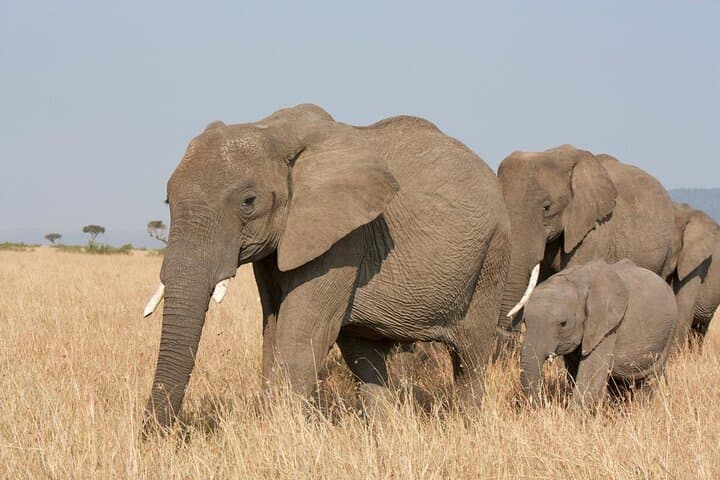
Dawn breaks over open savanna and the silhouette of Mount Kilimanjaro dominates the sky, its snowcap catching first light while elephants move through morning dust.
Dawn breaks over open savanna and the silhouette of Mount Kilimanjaro dominates the sky, its snowcap catching first light while elephants move through morning dust.
Amboseli National Park is one of East Africa’s most cinematic wildlife arenas — a lowland plain framed by volcanic highlands and fed by a chain of seasonal swamps. The park’s shallow wetlands and alkaline pans were sculpted by tectonic shifts and volcanic deposits; Mount Kilimanjaro, a dormant stratovolcano across the border in Tanzania, provides the dramatic backdrop that defines the landscape.
For centuries the Maasai have grazed cattle on the park’s fringes; today community conservancies and park management balance tourism, pastoralism, and habitat protection. Cultural encounters with Maasai guides or village visits can add context to the wildlife-focused itinerary.
On a two-day overnight safari from Nairobi expect early morning and late-afternoon game drives, photographic stops at Observation Hill, and close-up encounters with large elephant herds that routinely cross Amboseli’s marshes. Geology shows in the flat, salt-encrusted pans and volcanic soils that support the park’s hardy grasses.
Practically: pack layers for chilly mornings and hot afternoons, bring binoculars and a telephoto lens, and plan for long bumpy drives — vehicles are the primary way to cover the plains. Hydration and sun protection are essential; cellphone signal is intermittent inside the park. If your goal is iconic elephant portraits with Kilimanjaro behind them, schedule the trip during the drier months when animals concentrate around water and dust creates better photographic contrast.