THE ADVENTURE COLLECTIVE® · Independent discovery and booking for outdoor travel

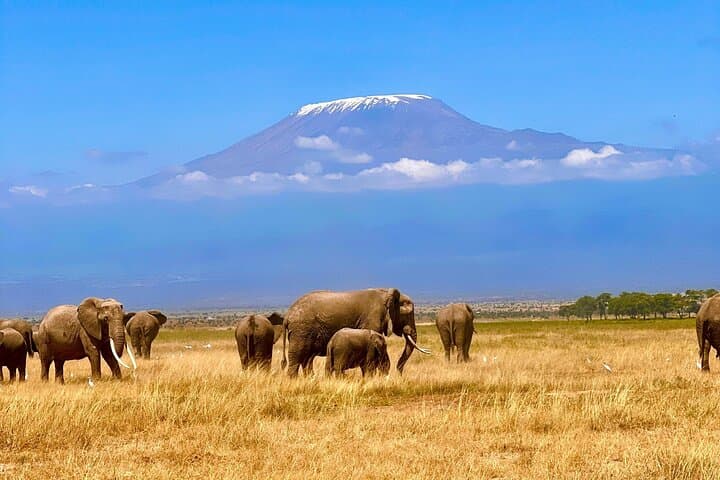
Spend two compact days watching elephant herds cross salty pans with Kilimanjaro as backdrop. This guide explains what to expect—habitats, Maasai culture, game-drive logistics, and practical tips to get the most from a short Amboseli safari.
Spend two compact days watching elephant herds cross salty pans with Kilimanjaro as backdrop. This guide explains what to expect—habitats, Maasai culture, game-drive logistics, and practical tips to get the most from a short Amboseli safari.
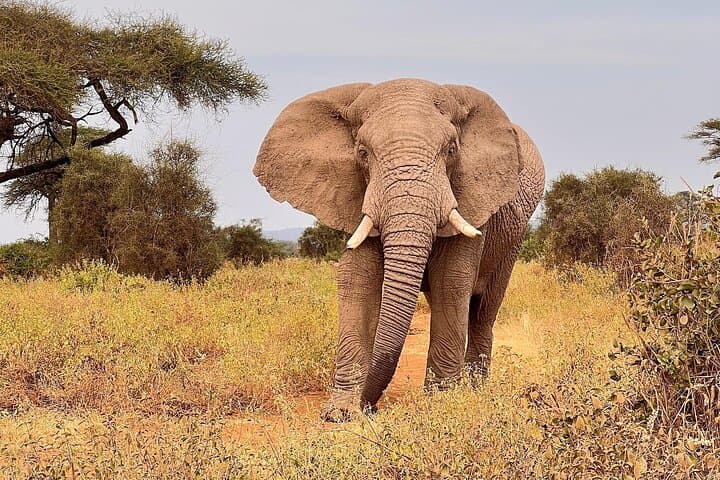
A pale sun lifts over a flat salt pan and the silhouette of Mount Kilimanjaro fills the horizon — this is the opening scene of a two-day Amboseli visit. Morning game drives push across the dried bed of Lake Amboseli where elephants move like weathered ships, wetlands steam around sulphur springs, and acacia-dotted savannah stretches to distant ridgelines.
Verified experiences and guided adventures in the surrounding area.
Operated by Safari Port · Amboseli, Kajiado County
A pale sun lifts over a flat salt pan and the silhouette of Mount Kilimanjaro fills the horizon — this is the opening scene of a two-day Amboseli visit. Morning game drives push across the dried bed of Lake Amboseli where elephants move like weathered ships, wetlands steam around sulphur springs, and acacia-dotted savannah stretches to distant ridgelines.
Geologically, Amboseli sits on Pleistocene lakebeds and alluvial plains whose clay pans alternate between dust and shallow water; the park covers roughly 392 km² and sits at about 1,100–1,300 m elevation. Culturally, the Maasai live around the park and their pastoral rhythms shape access and lodge locations; many visits include a community encounter to learn about herding, beadwork, and land stewardship.
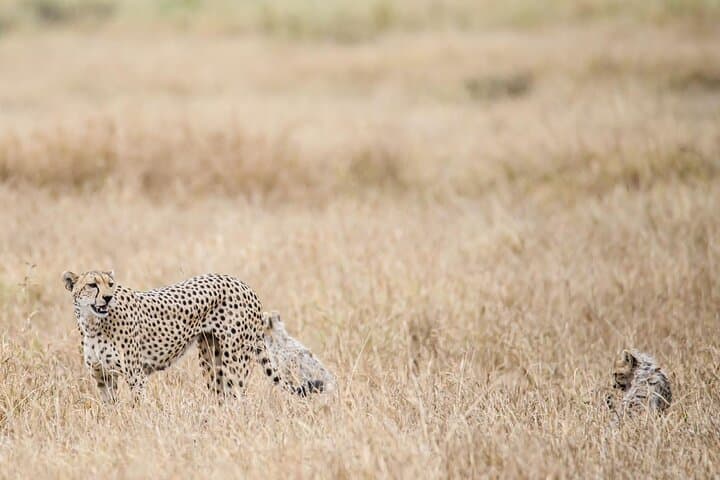
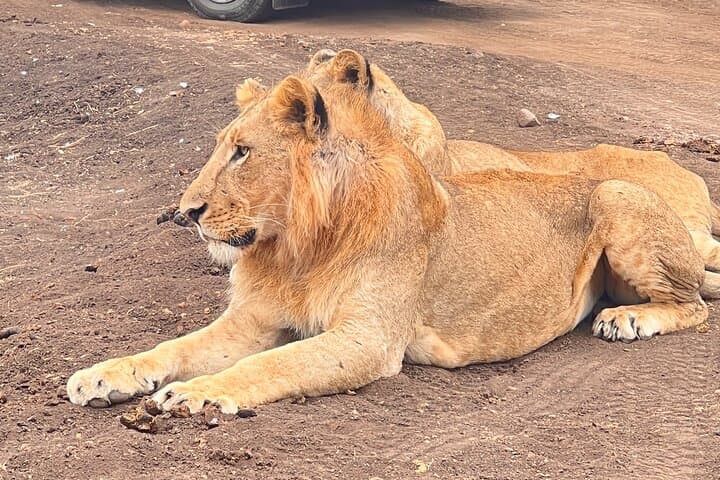
Over two days visitors typically fit several early-morning and late-afternoon game drives that target large elephant herds, grazing plains mammals, and rich birdlife. Expect mostly flat, rutted tracks best traveled in a high-clearance vehicle; binoculars and a long lens reward patience. Accommodation ranges from budget tented camps (Nyati Camp style) to mid-range lodges; this program includes private transport, hotel pickup, and full-board basics.
Practical guidance: time drives for golden hours, bring layered sun protection and insect repellent, and plan for jostling on dirt roads. Respect Maasai land-use customs and observe animals from vehicles unless guided otherwise. With a compact schedule, two days deliver close elephant encounters, sweeping Kilimanjaro vistas, and a clear primer on Amboseli’s habitats.
easy.
6–8 hours per day.
Suitable for most fitness levels; participants should be able to enter and exit safari vehicles and manage short, uneven walks.
Amboseli is about 240 km southeast of Nairobi; driving takes roughly 4–6 hours depending on route and traffic, and many tours include hotel pickup in Nairobi.
Amboseli is one of the most reliable parks for large elephant herds, but sightings cannot be guaranteed; early and late drives increase likelihood.
Yes—this itinerary is labeled suitable for all fitness levels, but parents should prepare children for bumpy rides and midday heat.
Visitors should check current health advisories (e.g., yellow fever requirements) and carry ID for park access; the tour handles park fees and permits as noted in inclusions.
Amboseli’s name comes from a Maasai word meaning “salty dust”; the area has long been seasonal grazing land shaped by lake cycles and pastoral communities.
Conservation efforts focus on linking Amboseli’s protected core to Maasai rangelands to sustain elephant migration routes and reduce human-wildlife conflict; visitors are encouraged to follow guide directions to minimize disturbance.
Safari Port operates guided outdoor trips and adventures with an emphasis on safety, stewardship, and memorable experiences.
A pale sun lifts over a flat salt pan and the silhouette of Mount Kilimanjaro fills the horizon — this is the opening scene of a two-day Amboseli visit. Morning game drives push across the dried bed of Lake Amboseli where elephants move like weathered ships, wetlands steam around sulphur springs, and acacia-dotted savannah stretches to distant ridgelines.
A pale sun lifts over a flat salt pan and the silhouette of Mount Kilimanjaro fills the horizon — this is the opening scene of a two-day Amboseli visit. Morning game drives push across the dried bed of Lake Amboseli where elephants move like weathered ships, wetlands steam around sulphur springs, and acacia-dotted savannah stretches to distant ridgelines.
Geologically, Amboseli sits on Pleistocene lakebeds and alluvial plains whose clay pans alternate between dust and shallow water; the park covers roughly 392 km² and sits at about 1,100–1,300 m elevation. Culturally, the Maasai live around the park and their pastoral rhythms shape access and lodge locations; many visits include a community encounter to learn about herding, beadwork, and land stewardship.
Over two days visitors typically fit several early-morning and late-afternoon game drives that target large elephant herds, grazing plains mammals, and rich birdlife. Expect mostly flat, rutted tracks best traveled in a high-clearance vehicle; binoculars and a long lens reward patience. Accommodation ranges from budget tented camps (Nyati Camp style) to mid-range lodges; this program includes private transport, hotel pickup, and full-board basics.
Practical guidance: time drives for golden hours, bring layered sun protection and insect repellent, and plan for jostling on dirt roads. Respect Maasai land-use customs and observe animals from vehicles unless guided otherwise. With a compact schedule, two days deliver close elephant encounters, sweeping Kilimanjaro vistas, and a clear primer on Amboseli’s habitats.