THE ADVENTURE COLLECTIVE® · Independent discovery and booking for outdoor travel

A full-day safari from Nairobi that places Kilimanjaro’s ice-capped peak opposite roaming elephant herds and wide-open pans. Expect early starts, long drives, and high-reward wildlife viewing with local guides.
A full-day safari from Nairobi that places Kilimanjaro’s ice-capped peak opposite roaming elephant herds and wide-open pans. Expect early starts, long drives, and high-reward wildlife viewing with local guides.
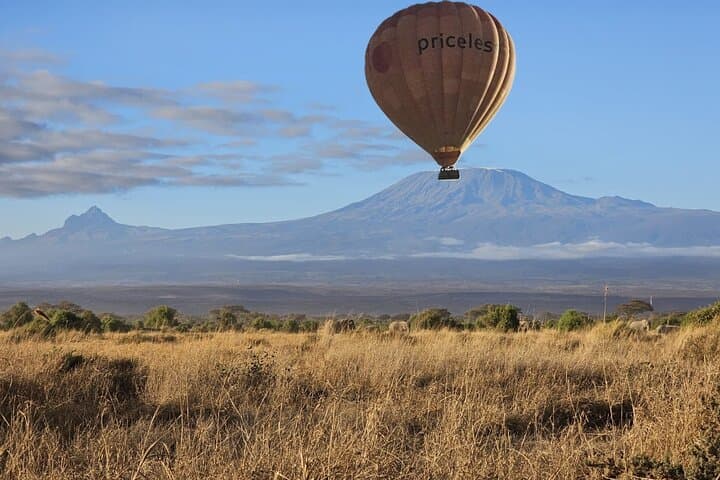
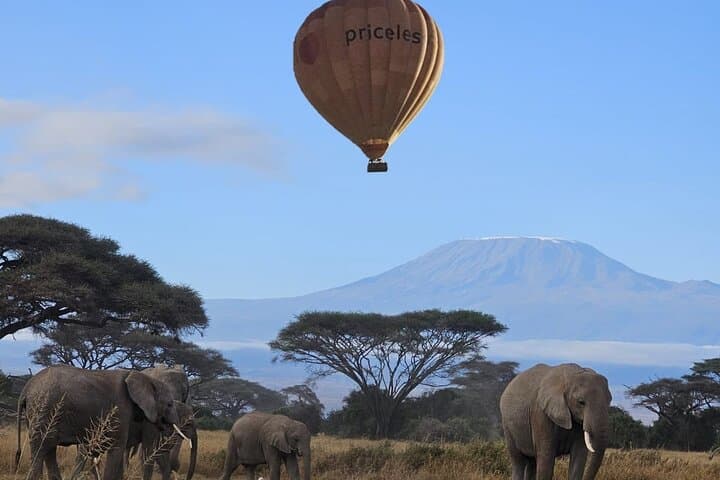
The jeep rolls onto the open savanna just as dawn edges the rim of Mount Kilimanjaro into gold. Dust lifts like a slow-breathing animal and the guide’s voice softens — not with reverence but with calculation: there are elephants ahead. In Amboseli National Park the elements act like a team, the plains daring you to keep up while Kilimanjaro watches, a silent summit crowned in ice. A day here is a series of encounters: acacia silhouettes, herds threading away from a fleeting shadow, the distant drum of hooves.
Verified experiences and guided adventures in the surrounding area.
Operated by offroad unbounded excursions · Amboseli, Kajiado County
The jeep rolls onto the open savanna just as dawn edges the rim of Mount Kilimanjaro into gold. Dust lifts like a slow-breathing animal and the guide’s voice softens — not with reverence but with calculation: there are elephants ahead. In Amboseli National Park the elements act like a team, the plains daring you to keep up while Kilimanjaro watches, a silent summit crowned in ice. A day here is a series of encounters: acacia silhouettes, herds threading away from a fleeting shadow, the distant drum of hooves.
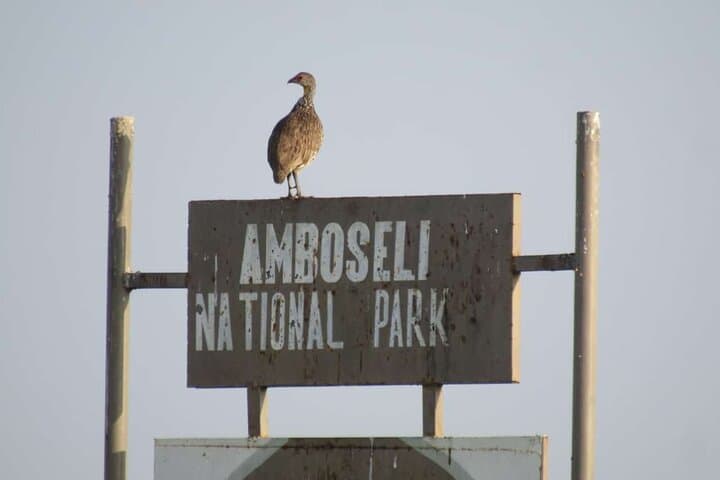
Amboseli sits in southern Kenya, a low-lying basin fed by seasonal springs and ancient rivers that once braided toward Tsavo. Geologically the park is a patchwork of alluvial flats and saline pans — the ground remembers water even when the sky is dry. Human history is layered too: Maasai communities have grazed these plains for generations, and their knowledge of animal behavior now guides many of the park’s tracking routes.
The real draw is wildlife close enough to unnerve a camera. Amboseli is famous for large elephant families moving with surprising grace across cracked clay. It’s also where Kilimanjaro’s snowfield can appear opposite the horizon — geography and weather conspiring to stage the moment. Culture here is visible in roadside bomas and the beadwork of market stalls where vendors will trade a story for a cup of chai and your attention.
Practical guide: this is a long day — expect about 8–10 hours including round-trip transport from Nairobi. The drive itself is part of the trip, so bring layers for the morning chill and sun protection for afternoon game drives. Terrain on the drives is mostly flat dirt tracks inside the park; you’ll disembark for short walks at lookout points and photo stops. Guides will provide bottled water and a mid-day lunch at a roadside restaurant; still, pack a refillable bottle and snacks if you have dietary needs.
Timing matters: early morning and late afternoon are prime for sightings and softer light for photography. Midday is hotter and animals move into shade; that’s a good time for a relaxed lunch or to visit viewpoints that offer clean vistas of Kilimanjaro. If you suffer motion sickness, plan seats toward the front of the vehicle and take preventative medication — the roads can be bumpy.
Respect is part of the itinerary: keep distance from animals, follow your guide’s instructions, and support local conservation by declining single-use plastics where possible. The day trip is efficient — it delivers big views and concentrated wildlife watching — but leave room afterwards to process the scale; Amboseli has a way of rearranging what you count as large.
moderate.
8–10 hours.
You should be comfortable sitting for extended periods and able to step up into a safari vehicle; minimal walking on flat, uneven ground.
Pickups are typically very early (around 5:00–6:00 AM) from Nairobi hotels; confirm exact time when booking.
Expect roughly 4–5 hours each way depending on traffic and road conditions; total trip time is 8–10 hours.
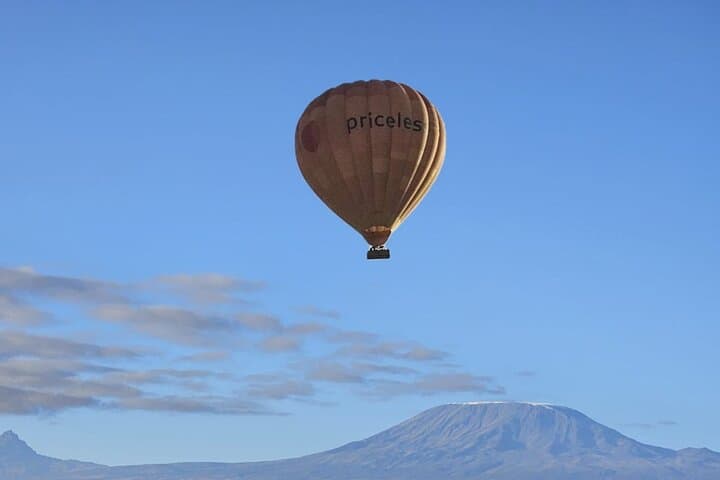
On clear days you’ll get striking views of Kilimanjaro’s snow-capped summit from Amboseli; visibility depends on weather.
Yes — the tour includes a mid-day lunch stop at a modern restaurant outside the park after the morning game drive.
Children are welcome; infant seats are available — but long road time and wildlife unpredictability may not suit very young kids.
This tour is not recommended for travelers with spinal or serious cardiovascular issues because of long vehicle travel and bumpy roads.
Amboseli has long been Maasai grazing land; the park’s protected status dates to the mid-20th century and it became a focused conservation area for elephant populations.
Local guides and lodges support anti-poaching patrols and community-led programs; minimize plastic and follow park rules to reduce human impact.
offroad unbounded excursions operates guided outdoor trips and adventures with an emphasis on safety, stewardship, and memorable experiences.
The jeep rolls onto the open savanna just as dawn edges the rim of Mount Kilimanjaro into gold. Dust lifts like a slow-breathing animal and the guide’s voice softens — not with reverence but with calculation: there are elephants ahead. In Amboseli National Park the elements act like a team, the plains daring you to keep up while Kilimanjaro watches, a silent summit crowned in ice. A day here is a series of encounters: acacia silhouettes, herds threading away from a fleeting shadow, the distant drum of hooves.
The jeep rolls onto the open savanna just as dawn edges the rim of Mount Kilimanjaro into gold. Dust lifts like a slow-breathing animal and the guide’s voice softens — not with reverence but with calculation: there are elephants ahead. In Amboseli National Park the elements act like a team, the plains daring you to keep up while Kilimanjaro watches, a silent summit crowned in ice. A day here is a series of encounters: acacia silhouettes, herds threading away from a fleeting shadow, the distant drum of hooves.
Amboseli sits in southern Kenya, a low-lying basin fed by seasonal springs and ancient rivers that once braided toward Tsavo. Geologically the park is a patchwork of alluvial flats and saline pans — the ground remembers water even when the sky is dry. Human history is layered too: Maasai communities have grazed these plains for generations, and their knowledge of animal behavior now guides many of the park’s tracking routes.
The real draw is wildlife close enough to unnerve a camera. Amboseli is famous for large elephant families moving with surprising grace across cracked clay. It’s also where Kilimanjaro’s snowfield can appear opposite the horizon — geography and weather conspiring to stage the moment. Culture here is visible in roadside bomas and the beadwork of market stalls where vendors will trade a story for a cup of chai and your attention.
Practical guide: this is a long day — expect about 8–10 hours including round-trip transport from Nairobi. The drive itself is part of the trip, so bring layers for the morning chill and sun protection for afternoon game drives. Terrain on the drives is mostly flat dirt tracks inside the park; you’ll disembark for short walks at lookout points and photo stops. Guides will provide bottled water and a mid-day lunch at a roadside restaurant; still, pack a refillable bottle and snacks if you have dietary needs.
Timing matters: early morning and late afternoon are prime for sightings and softer light for photography. Midday is hotter and animals move into shade; that’s a good time for a relaxed lunch or to visit viewpoints that offer clean vistas of Kilimanjaro. If you suffer motion sickness, plan seats toward the front of the vehicle and take preventative medication — the roads can be bumpy.
Respect is part of the itinerary: keep distance from animals, follow your guide’s instructions, and support local conservation by declining single-use plastics where possible. The day trip is efficient — it delivers big views and concentrated wildlife watching — but leave room afterwards to process the scale; Amboseli has a way of rearranging what you count as large.