THE ADVENTURE COLLECTIVE® · Independent discovery and booking for outdoor travel

A full-day safari from Nairobi to Amboseli delivers towering views of Mount Kilimanjaro and close elephant encounters across saline plains. Expect long drives, rewarding game drives, and clear photographic windows in morning light.
A full-day safari from Nairobi to Amboseli delivers towering views of Mount Kilimanjaro and close elephant encounters across saline plains. Expect long drives, rewarding game drives, and clear photographic windows in morning light.
You roll out of Nairobi while the city is still yawning and the highway opens toward a landscape that changes with every hour: scrubby acacia giving way to salt flats, then wide plains where elephants move like slow weather. Mount Kilimanjaro dominates the skyline—an enormous, impartial presence whose glaciers watch the herds below.
Verified experiences and guided adventures in the surrounding area.
Operated by Flight & Safaris International Ltd · Amboseli, Kajiado County
You roll out of Nairobi while the city is still yawning and the highway opens toward a landscape that changes with every hour: scrubby acacia giving way to salt flats, then wide plains where elephants move like slow weather. Mount Kilimanjaro dominates the skyline—an enormous, impartial presence whose glaciers watch the herds below.
Amboseli National Park sits on an ancient basin shaped by volcanic activity and seasonal marshes. The Maasai named the area Amboseli, or "salty dust," a practical nod to the alkaline plains that form after rains. The park, formally protected in the 1970s, became an essential refuge for large elephant families and the birds that follow them. Geology, water and wildlife conspire here to create one of East Africa’s most reliable big-game viewing sites.
On a day excursion from Nairobi expect a long but rewarding rhythm: a 4–5 hour drive each way (roughly 240 km), several game-drive windows, and close-up elephant encounters with Kilimanjaro as a backdrop. Terrain alternates between graded roads and rough park tracks; the vehicle is your basecamp. Bring layers for early and late hours, sun protection, binoculars, and a charged camera battery. Respect keep-clear distances—naturalists on-site will advise when to stop and when to move on.
Practical notes: pick mornings for the clearest mountain views, plan for a 12–14 hour day, and know that sightings depend on weather and animal movement. The trip is ideal for travelers who want high wildlife density and iconic photographic opportunities without overnight camping.
easy.
12–14 hours.
Requires ability to sit for long periods and get in/out of safari vehicles; suitable for most fitness levels.
The drive is roughly 4–5 hours each way (about 240 km), making the total excursion about 12–14 hours including game drives and lunch.
Kilimanjaro is visible on clear days, especially early morning; cloud cover and weather can obscure the peak, so sightings aren’t guaranteed.
Yes—this excursion typically includes bottled water and lunch as part of the tour inclusions.
Yes—Amboseli day trips are generally suitable for most ages, though the long day and vehicle movement may be tiring for very young children or travelers with limited mobility.
Amboseli’s protection accelerated in the 1970s; the park’s Maasai communities have shaped local land use for generations and the name means "salty dust."
Amboseli conservation focuses on protecting elephant corridors and working with Maasai communities; visitors should stick to designated tracks and support local guides to reduce impact.
Flight & Safaris International Ltd operates guided outdoor trips and adventures with an emphasis on safety, stewardship, and memorable experiences.
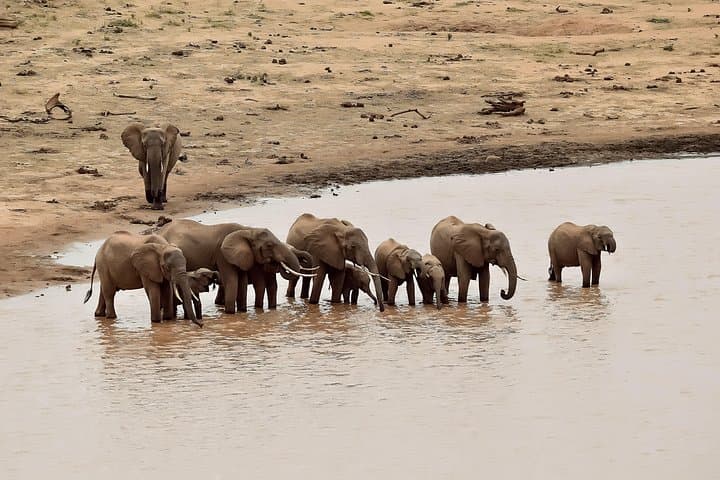
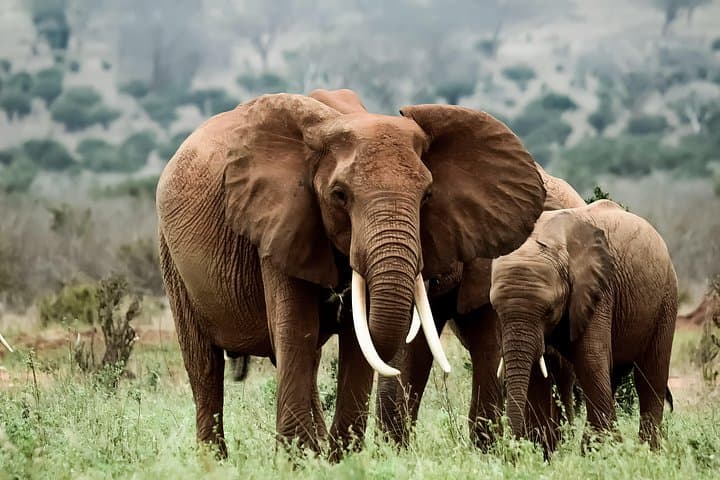
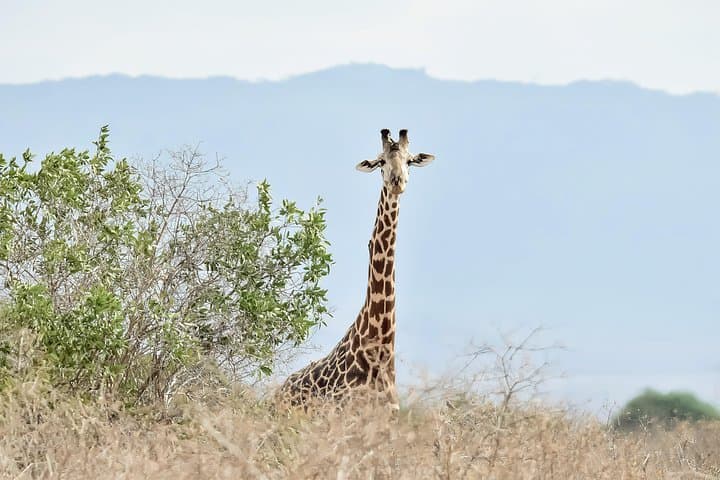
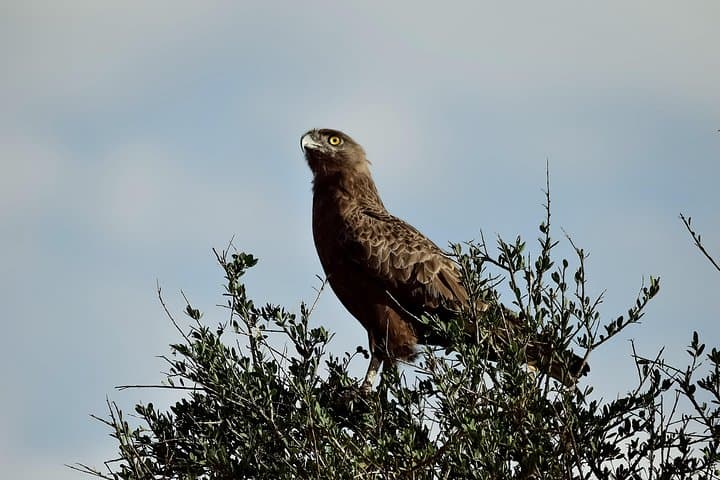
You roll out of Nairobi while the city is still yawning and the highway opens toward a landscape that changes with every hour: scrubby acacia giving way to salt flats, then wide plains where elephants move like slow weather. Mount Kilimanjaro dominates the skyline—an enormous, impartial presence whose glaciers watch the herds below.
You roll out of Nairobi while the city is still yawning and the highway opens toward a landscape that changes with every hour: scrubby acacia giving way to salt flats, then wide plains where elephants move like slow weather. Mount Kilimanjaro dominates the skyline—an enormous, impartial presence whose glaciers watch the herds below.
Amboseli National Park sits on an ancient basin shaped by volcanic activity and seasonal marshes. The Maasai named the area Amboseli, or "salty dust," a practical nod to the alkaline plains that form after rains. The park, formally protected in the 1970s, became an essential refuge for large elephant families and the birds that follow them. Geology, water and wildlife conspire here to create one of East Africa’s most reliable big-game viewing sites.
On a day excursion from Nairobi expect a long but rewarding rhythm: a 4–5 hour drive each way (roughly 240 km), several game-drive windows, and close-up elephant encounters with Kilimanjaro as a backdrop. Terrain alternates between graded roads and rough park tracks; the vehicle is your basecamp. Bring layers for early and late hours, sun protection, binoculars, and a charged camera battery. Respect keep-clear distances—naturalists on-site will advise when to stop and when to move on.
Practical notes: pick mornings for the clearest mountain views, plan for a 12–14 hour day, and know that sightings depend on weather and animal movement. The trip is ideal for travelers who want high wildlife density and iconic photographic opportunities without overnight camping.