THE ADVENTURE COLLECTIVE® · Independent discovery and booking for outdoor travel

A three-day guided trek from Ambalavao to the sacred Ambondrombe massif—forest camping, summit ridgelines and intimate cultural exchanges with local families. Expect steep climbs, endemic flora and community-led conservation efforts.
A three-day guided trek from Ambalavao to the sacred Ambondrombe massif—forest camping, summit ridgelines and intimate cultural exchanges with local families. Expect steep climbs, endemic flora and community-led conservation efforts.
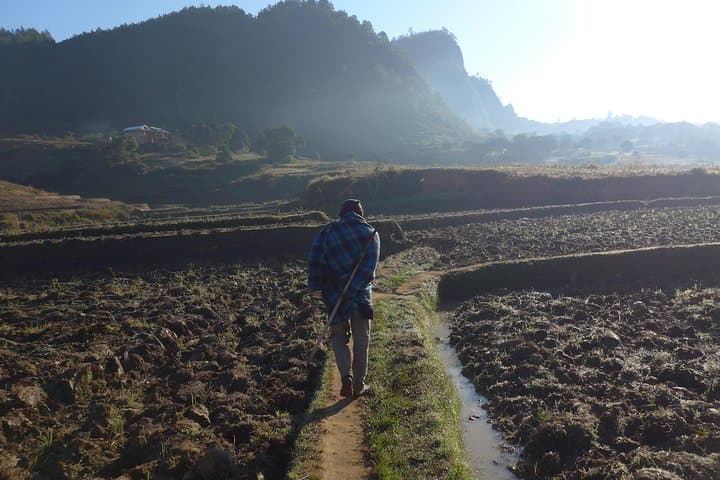
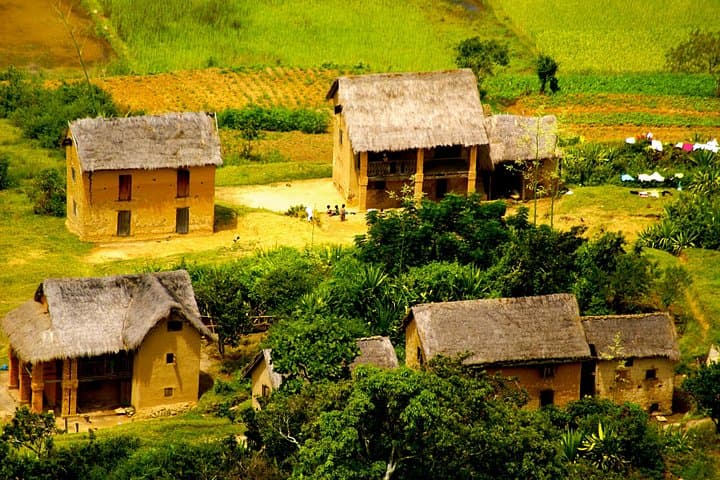
Morning mist lifts off eucalyptus as a small convoy drives south from Ambalavao toward Ambohimahamasina. The trail begins with a descent into village fields, passes a weaving workshop, then tightens into eucalyptus and tall grass before the forest swallows the path. Over three days, hikers cross humid primary rainforest, climb two exposed summits and sleep once under canvas before ending with a family meal in a mountain village.
Verified experiences and guided adventures in the surrounding area.
Operated by Sudmadatrek Voyages · Ambalavao, Haute Matsiatra
Morning mist lifts off eucalyptus as a small convoy drives south from Ambalavao toward Ambohimahamasina. The trail begins with a descent into village fields, passes a weaving workshop, then tightens into eucalyptus and tall grass before the forest swallows the path. Over three days, hikers cross humid primary rainforest, climb two exposed summits and sleep once under canvas before ending with a family meal in a mountain village.
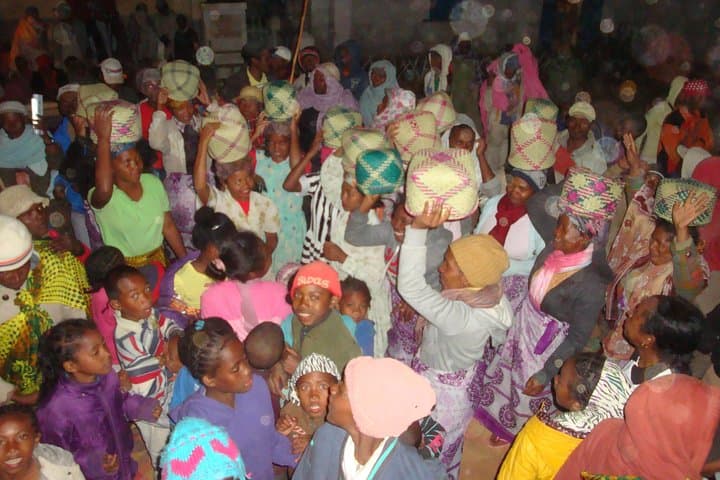
These foothills sit on Madagascar’s central highlands and feed the Andringitra range’s weather systems; the geology is mostly ancient Precambrian rock with steep ridges that produce sudden views when the forest opens. Ambondrombe is treated as sacred by local Tanala and Betsileo communities — guides perform traditional offerings and interpret the forest’s plants, many endemic orchids, tree ferns and ericaceous scrub at higher elevations. Cultural stops include silk-and-cotton weaving in Vohimarina Andepo and rice terraces threaded with bamboo alleys.
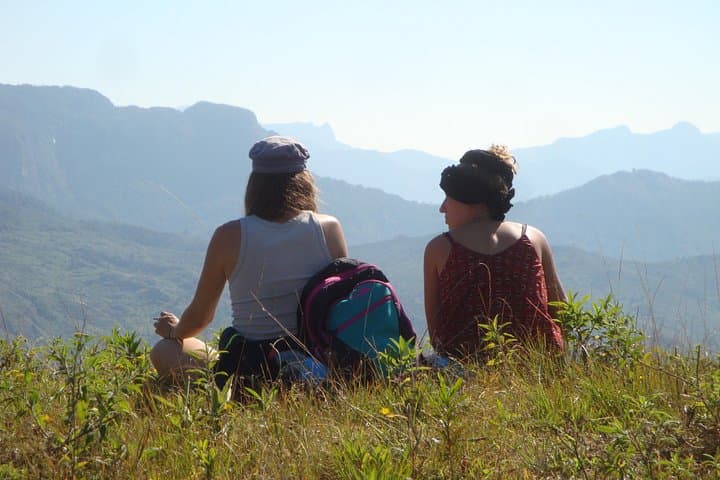
On the trail expect steep, often muddy climbs (day profiles list roughly +400m, +500m and +250m gains), narrow rooty tracks and short sections of exposed ridge to 1,400 m at Angovoa. Practical prep: pack a warm layer for damp nights, a reliable rain shell, and a sleeping bag (not always provided). Hydrate regularly and plan for 6–8 hours on the longest day. Local guides handle navigation and meals; participants support community conservation through fees and respectful behavior. This is a route for hikers with steady fitness who want mountain views, dense forest ecology and close cultural exchange rather than technical climbing.
challenging.
3 days.
Good aerobic fitness; able to hike 6–8+ hours on rough, steep terrain with a daypack.
Participants should have moderate to strong fitness—expect multiple days of sustained uphill and downhill hiking, including one long day of 8 hours or more.
Local fees and most taxes are listed as included; the tour supports community conservation projects—confirm specifics with the operator before booking.
The itinerary includes one night camping (campsite at Andragnombazaha) and a night with a local family; basic camping gear is provided except sleeping bags in many cases.
Not recommended for travelers with spinal issues or pregnancy due to steep sections and remote conditions; operators may set age limits—check at booking.
The mountains around Ambohimahamasina hold ancestral significance for local Betsileo and Tanala communities; oral traditions and ritual offerings are part of summit visits.
This route supports community-based conservation and local livelihoods; stick to paths, carry out waste and follow guide instructions to minimize impact.
Sudmadatrek Voyages operates guided outdoor trips and adventures with an emphasis on safety, stewardship, and memorable experiences.
Morning mist lifts off eucalyptus as a small convoy drives south from Ambalavao toward Ambohimahamasina. The trail begins with a descent into village fields, passes a weaving workshop, then tightens into eucalyptus and tall grass before the forest swallows the path. Over three days, hikers cross humid primary rainforest, climb two exposed summits and sleep once under canvas before ending with a family meal in a mountain village.
Morning mist lifts off eucalyptus as a small convoy drives south from Ambalavao toward Ambohimahamasina. The trail begins with a descent into village fields, passes a weaving workshop, then tightens into eucalyptus and tall grass before the forest swallows the path. Over three days, hikers cross humid primary rainforest, climb two exposed summits and sleep once under canvas before ending with a family meal in a mountain village.
These foothills sit on Madagascar’s central highlands and feed the Andringitra range’s weather systems; the geology is mostly ancient Precambrian rock with steep ridges that produce sudden views when the forest opens. Ambondrombe is treated as sacred by local Tanala and Betsileo communities — guides perform traditional offerings and interpret the forest’s plants, many endemic orchids, tree ferns and ericaceous scrub at higher elevations. Cultural stops include silk-and-cotton weaving in Vohimarina Andepo and rice terraces threaded with bamboo alleys.
On the trail expect steep, often muddy climbs (day profiles list roughly +400m, +500m and +250m gains), narrow rooty tracks and short sections of exposed ridge to 1,400 m at Angovoa. Practical prep: pack a warm layer for damp nights, a reliable rain shell, and a sleeping bag (not always provided). Hydrate regularly and plan for 6–8 hours on the longest day. Local guides handle navigation and meals; participants support community conservation through fees and respectful behavior. This is a route for hikers with steady fitness who want mountain views, dense forest ecology and close cultural exchange rather than technical climbing.