THE ADVENTURE COLLECTIVE® · Independent discovery and booking for outdoor travel

Spend a half-day off your ship exploring Montagne d’Ambre’s crater lakes and rainforest before a brief swim at Ramena Beach. This private transfer-and-hike package balances wildlife viewing, a moderate forest walk, and coastal scenery.
Spend a half-day off your ship exploring Montagne d’Ambre’s crater lakes and rainforest before a brief swim at Ramena Beach. This private transfer-and-hike package balances wildlife viewing, a moderate forest walk, and coastal scenery.
You step out of the coastal heat into a column of green: high-canopied rainforest scents the air, mist clinging to fern fronds as the road climbs toward Montagne d’Ambre. The mountain’s volcanic shoulders hold crater lakes that glint like cupped mirrors; waterfalls thread mossy rock, and lemurs call from the leaf litter — the landscape seems to watch you back.
Verified experiences and guided adventures in the surrounding area.
Operated by Les Grands Voyages de Madagascar · Antsiranana (Diego-Suarez), Diana Region
You step out of the coastal heat into a column of green: high-canopied rainforest scents the air, mist clinging to fern fronds as the road climbs toward Montagne d’Ambre. The mountain’s volcanic shoulders hold crater lakes that glint like cupped mirrors; waterfalls thread mossy rock, and lemurs call from the leaf litter — the landscape seems to watch you back.
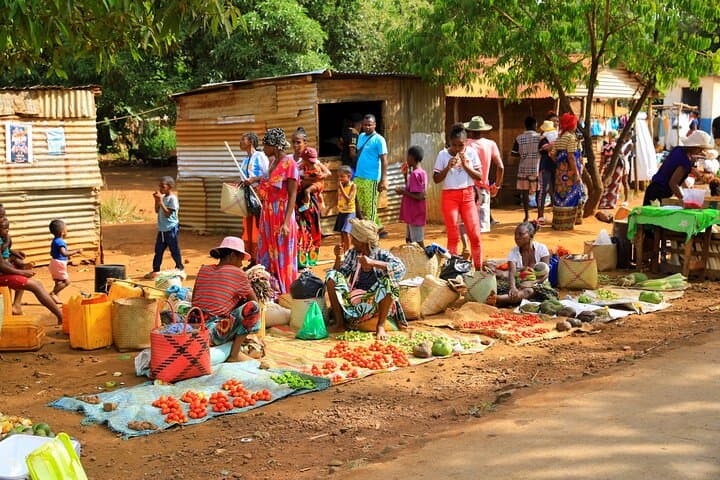
Montagne d’Ambre National Park is a volcanic massif in Madagascar’s far north, its basalt and laterite soils shaped by ancient eruptions and heavy rainfall. The park’s microclimates support endemic plants and chameleons; nearby Antsiranana (Diego-Suarez) reflects centuries of maritime trade from Arab, Malagasy and French influences while Ramena is a small fishing strand where local crews still mend nets.
This private, six-hour excursion pairs a 1–1.5 hour drive into the park with roughly 1.5 hours of on-foot exploring (expect 3–5 km of mixed trails and up to 200–400 m of elevation change on unpaved, sometimes muddy terrain). After the hike you’ll transfer to Ramena Beach for a 30-minute swim and views of the iconic Pain de Sucre (Sugarloaf) islet.
Practical edge: wear grippy hiking shoes, bring 1–2 liters of water, insect repellent and sun protection, and plan for sudden showers. Guides handle park entry and navigation; stick to marked trails to protect fragile habitat and to improve wildlife sightings. The rhythm of the day moves from shaded forest hush to bright, salty shore — a compact introduction to Diego-Suarez’s geological contrasts and coastal culture.
moderate.
5–6 hours.
Moderate fitness: able to walk 3–5 km on uneven terrain and handle short climbs of up to 200–400 m elevation change.
Expect about 1–1.5 hours of walking (3–5 km) on marked trails with several short climbs and uneven surfaces.
Most private tours include park entry and air-conditioned vehicle transfers; confirm specifics with your operator before booking.
Yes—there is a short beach stop for swimming and relaxation, but check local conditions and follow your guide’s advice about currents.
The tour is family-friendly, but participants should have moderate fitness; those with limited mobility may find some trails challenging.
Antsiranana (Diego-Suarez) grew as a strategic port visited by Arab, Malagasy and European traders; the coastline and nearby villages retain a mix of maritime cultural influences.
Montagne d’Ambre is a protected national park—stay on trails, don’t feed wildlife, and follow guide instructions to minimize disturbance to fragile ecosystems.
Les Grands Voyages de Madagascar operates guided outdoor trips and adventures with an emphasis on safety, stewardship, and memorable experiences.
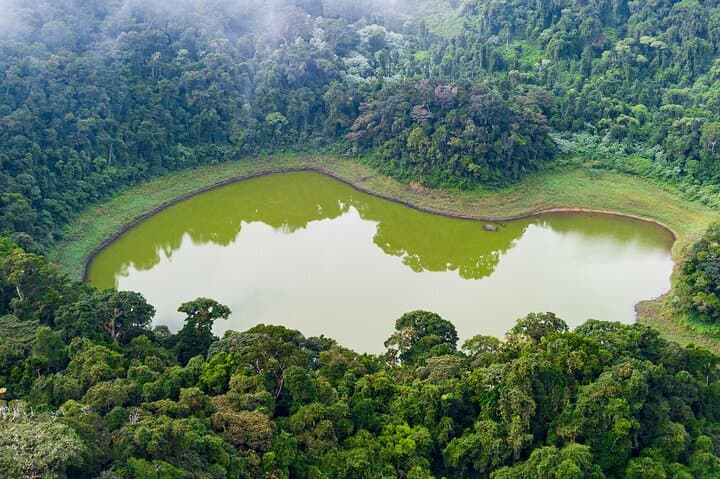
You step out of the coastal heat into a column of green: high-canopied rainforest scents the air, mist clinging to fern fronds as the road climbs toward Montagne d’Ambre. The mountain’s volcanic shoulders hold crater lakes that glint like cupped mirrors; waterfalls thread mossy rock, and lemurs call from the leaf litter — the landscape seems to watch you back.
You step out of the coastal heat into a column of green: high-canopied rainforest scents the air, mist clinging to fern fronds as the road climbs toward Montagne d’Ambre. The mountain’s volcanic shoulders hold crater lakes that glint like cupped mirrors; waterfalls thread mossy rock, and lemurs call from the leaf litter — the landscape seems to watch you back.
Montagne d’Ambre National Park is a volcanic massif in Madagascar’s far north, its basalt and laterite soils shaped by ancient eruptions and heavy rainfall. The park’s microclimates support endemic plants and chameleons; nearby Antsiranana (Diego-Suarez) reflects centuries of maritime trade from Arab, Malagasy and French influences while Ramena is a small fishing strand where local crews still mend nets.
This private, six-hour excursion pairs a 1–1.5 hour drive into the park with roughly 1.5 hours of on-foot exploring (expect 3–5 km of mixed trails and up to 200–400 m of elevation change on unpaved, sometimes muddy terrain). After the hike you’ll transfer to Ramena Beach for a 30-minute swim and views of the iconic Pain de Sucre (Sugarloaf) islet.
Practical edge: wear grippy hiking shoes, bring 1–2 liters of water, insect repellent and sun protection, and plan for sudden showers. Guides handle park entry and navigation; stick to marked trails to protect fragile habitat and to improve wildlife sightings. The rhythm of the day moves from shaded forest hush to bright, salty shore — a compact introduction to Diego-Suarez’s geological contrasts and coastal culture.