THE ADVENTURE COLLECTIVE® · Independent discovery and booking for outdoor travel

Step off Klaipėda and onto a sand spine where amber-wet waves and pine wind shape a hands-on day of beach combing, museum insight, and smoked fish. Learn how to find, ID, and polish Baltic amber while moving through coastal history and protected landscapes.
Step off Klaipėda and onto a sand spine where amber-wet waves and pine wind shape a hands-on day of beach combing, museum insight, and smoked fish. Learn how to find, ID, and polish Baltic amber while moving through coastal history and protected landscapes.
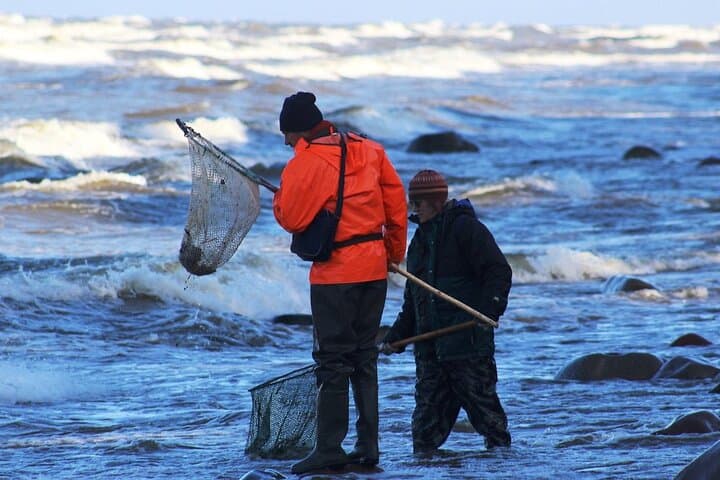
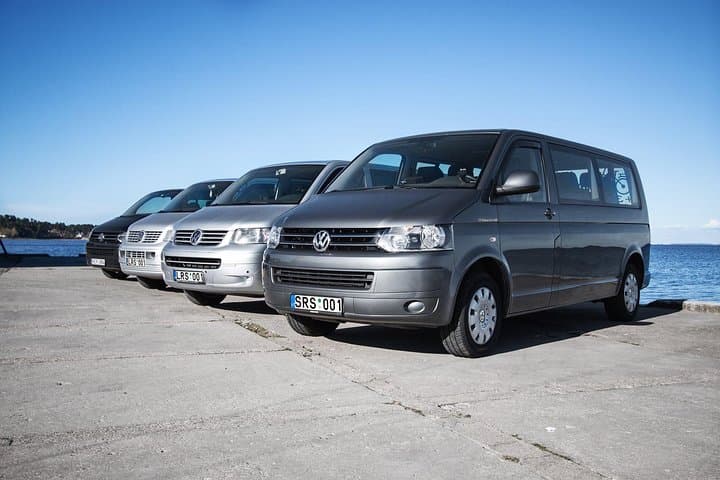
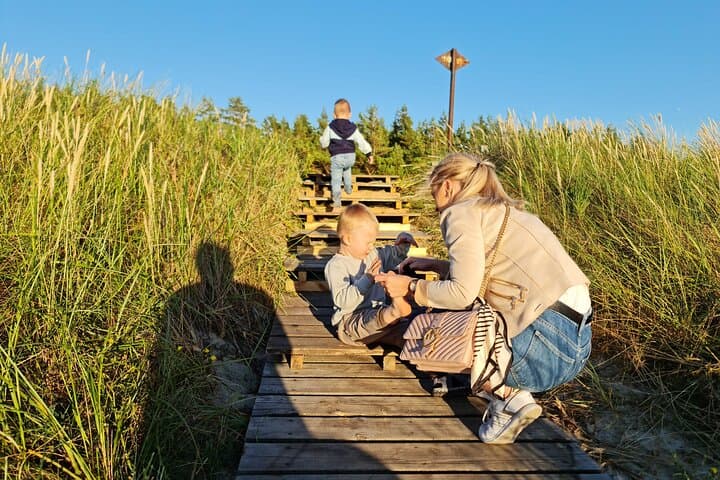
A ribbon of sand splits the Baltic and a still lagoon as your ferry nudges into the Curonian Spit. Salt and resin scent the air; pine wind-tosses the dunes and the water near shore glints like fossilized honey. The day moves at coastal pace: a short stop at Amber Bay in Juodkrantė, a hands-on amber-catching lesson on Preila Beach, a museum visit in Nida, and a smokehouse lunch that tastes of local tides.
Verified experiences and guided adventures in the surrounding area.
Operated by Neringa Tours · Klaipėda, Klaipėda County
A ribbon of sand splits the Baltic and a still lagoon as your ferry nudges into the Curonian Spit. Salt and resin scent the air; pine wind-tosses the dunes and the water near shore glints like fossilized honey. The day moves at coastal pace: a short stop at Amber Bay in Juodkrantė, a hands-on amber-catching lesson on Preila Beach, a museum visit in Nida, and a smokehouse lunch that tastes of local tides.
The spit is a geological spine built by post-glacial drift and wind, its dunes constantly shifting and revealing pockets of buried amber that traders prized for millennia. Amber here threads local culture—from fishermen’s amulets to contemporary artisans in Naglių Street who still polish Baltic pieces by hand. The Mizgiris Amber Museum explains amber’s prehistoric inclusions and the chemistry that turned tree resin into gem.
Practical guidance: expect sandy walking and short ferry transfers; the tour is suitable for most fitness levels but not recommended for those with spinal, heart, or pregnancy restrictions. Wear sturdy, water-tolerant shoes for walking wet sand and carrying a small net. Bring a charged phone and a small daypack; the guide provides instruction and ecology fee admission is typically included. Lunch at Tik pas Joną is informal—cash or card may work, but small change speeds service.
Timing matters: early morning or late afternoon light improves amber visibility and crowds thin. Respect the protected Curonian Spit National Park: avoid trampling dune vegetation and pack out any litter. The day blends tactile discovery with coastal history—hands, eyes, and wind will tell you why the Baltic calls its golden amber home.
easy.
8 hours.
Light walking on sand and short transfers; suitable for average fitness but not for those with spinal/heart/pregnancy restrictions
No—local guides teach simple techniques and supply nets; success depends on timing, tide, and patience rather than prior skill.
Ecology/entrance fees to the Curonian Spit are typically included in the tour inclusions listed, but confirm at booking if you have concerns.
Yes—children usually can join the workshop under supervision, though small tools and polishing may be restricted for safety.
Language options vary by provider; confirm at booking. Many private tours from Klaipėda offer English-speaking guides and can accommodate other languages on request.
The Curonian Spit has long been a corridor for amber trade and fishermen’s culture; settlements here reflect German-Lithuanian history and a 19th-century amber economy.
Much of the spit is Curonian Spit National Park—stay on marked trails, pay ecology fees when required, and avoid collecting living plants or disturbing nesting birds.
Neringa Tours operates guided outdoor trips and adventures with an emphasis on safety, stewardship, and memorable experiences.
A ribbon of sand splits the Baltic and a still lagoon as your ferry nudges into the Curonian Spit. Salt and resin scent the air; pine wind-tosses the dunes and the water near shore glints like fossilized honey. The day moves at coastal pace: a short stop at Amber Bay in Juodkrantė, a hands-on amber-catching lesson on Preila Beach, a museum visit in Nida, and a smokehouse lunch that tastes of local tides.
A ribbon of sand splits the Baltic and a still lagoon as your ferry nudges into the Curonian Spit. Salt and resin scent the air; pine wind-tosses the dunes and the water near shore glints like fossilized honey. The day moves at coastal pace: a short stop at Amber Bay in Juodkrantė, a hands-on amber-catching lesson on Preila Beach, a museum visit in Nida, and a smokehouse lunch that tastes of local tides.
The spit is a geological spine built by post-glacial drift and wind, its dunes constantly shifting and revealing pockets of buried amber that traders prized for millennia. Amber here threads local culture—from fishermen’s amulets to contemporary artisans in Naglių Street who still polish Baltic pieces by hand. The Mizgiris Amber Museum explains amber’s prehistoric inclusions and the chemistry that turned tree resin into gem.
Practical guidance: expect sandy walking and short ferry transfers; the tour is suitable for most fitness levels but not recommended for those with spinal, heart, or pregnancy restrictions. Wear sturdy, water-tolerant shoes for walking wet sand and carrying a small net. Bring a charged phone and a small daypack; the guide provides instruction and ecology fee admission is typically included. Lunch at Tik pas Joną is informal—cash or card may work, but small change speeds service.
Timing matters: early morning or late afternoon light improves amber visibility and crowds thin. Respect the protected Curonian Spit National Park: avoid trampling dune vegetation and pack out any litter. The day blends tactile discovery with coastal history—hands, eyes, and wind will tell you why the Baltic calls its golden amber home.