THE ADVENTURE COLLECTIVE® · Independent discovery and booking for outdoor travel

Spend four days living from canoe and hammock in the Amazon south of Manaus. Learn basic survival skills, sample riverine cuisine and explore flooded forests with local guides.
Spend four days living from canoe and hammock in the Amazon south of Manaus. Learn basic survival skills, sample riverine cuisine and explore flooded forests with local guides.
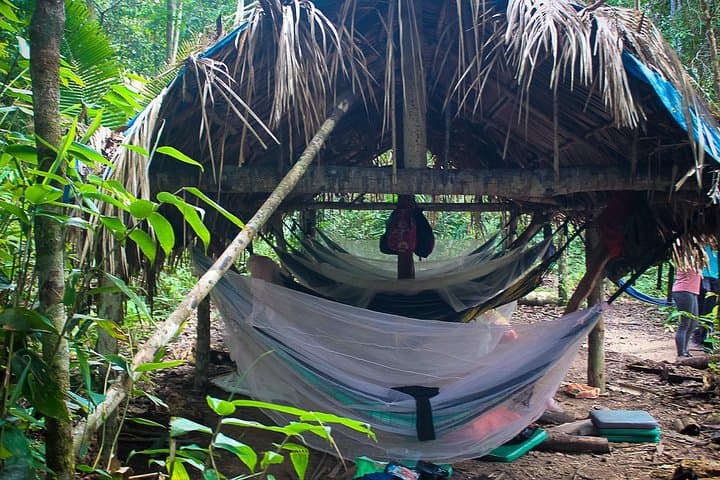
A humid dawn slices through the canopy as a speedboat cuts across the tannin-dark water toward a narrow channel. Guests disembark under a green ceiling where mosquitoes stitch the air and the forest seems to breathe around them. Over four days and three nights, participants sleep in hammocks with mosquito nets, paddle flooded channels at first light, and follow narrow trails where the guide points out medicinal plants and the flash of a monkey between trunks.
Verified experiences and guided adventures in the surrounding area.
Operated by Joshua's Amazon Expeditions · Manaus, Amazonas
A humid dawn slices through the canopy as a speedboat cuts across the tannin-dark water toward a narrow channel. Guests disembark under a green ceiling where mosquitoes stitch the air and the forest seems to breathe around them. Over four days and three nights, participants sleep in hammocks with mosquito nets, paddle flooded channels at first light, and follow narrow trails where the guide points out medicinal plants and the flash of a monkey between trunks.
This stretch of the Amazon south of Manaus sits on the lowland floodplain carved by the Negro and Solimões rivers; seasonal rise and fall of waters shapes trails and wildlife patterns. The Juma and Mamori waterways have long supported riverside communities that fish, cultivate manioc and trade forest products — visitors here often meet local families and learn traditional techniques for food and basic survival. Geologically the area is soft sediment and oxbow channels, so boat access and timing depend on water level.
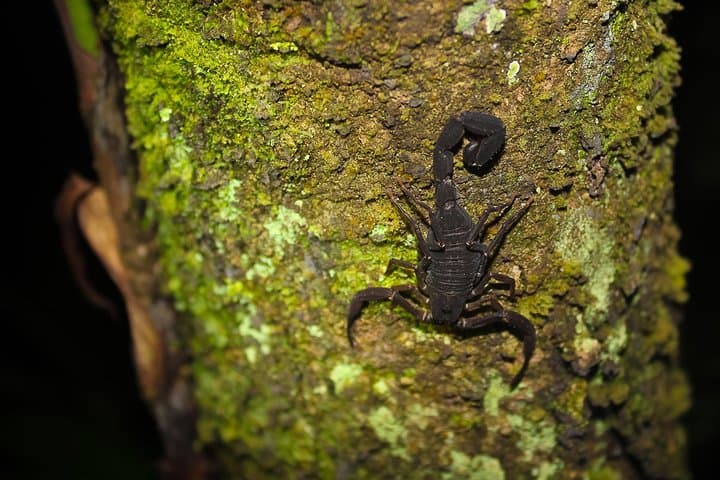
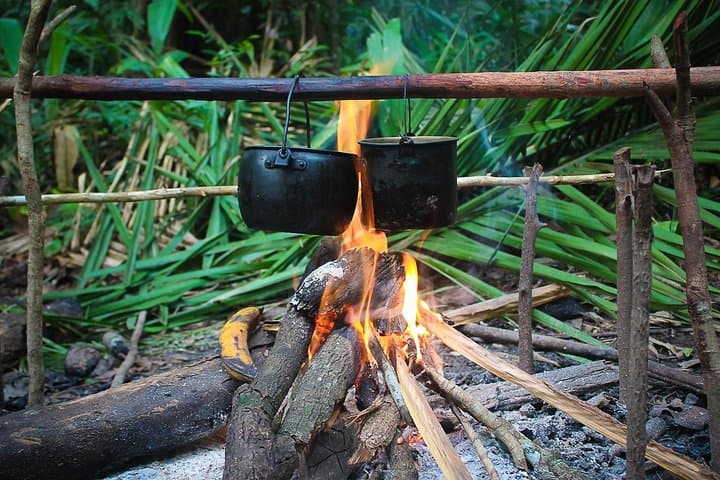
Practically, the trip is instruction-driven: canoe outings teach quiet navigation, guided walks cover plant uses, and night excursions target caimans and nocturnal birds. Expect basic camping comforts rather than luxury — hammocks, shared meals of fresh fish and manioc, and remote logistics. Bring layered, quick-dry clothing, waterproof storage, strong insect protection and a headlamp. Hydrate frequently, respect guide directions around wildlife, and plan for humidity, rain and active insect seasons. For travelers seeking hands-on time in primary rainforest and cultural exchange with river communities, this is immersive, educational frontier travel with a clear safety and conservation focus.
moderate.
4 days, 3 nights.
Moderate fitness — able to walk 2–3 hours on uneven jungle trails and sit/board small boats for multiple short transfers.
The camp is in a remote section of the Amazon south of Manaus; reliable cell service is not available at camp—expect to be offline.
Yes — the operator supplies hammocks and mosquito nets; guests can bring personal nets if preferred.
No previous survival experience is required, but a moderate fitness level and comfort with basic outdoor living are expected.
Local food is primarily fish, rice, manioc and chicken; inform the operator of restrictions at booking so guides can adapt meals when possible.
Riverside communities here trace lifeways that combine river fishing, small-scale agriculture and forest resource knowledge passed down generations.
The area is affected by seasonal river dynamics and local resource use; small-group, guide-led trips emphasize leave-no-trace practices and respect for community livelihoods.
Joshua's Amazon Expeditions operates guided outdoor trips and adventures with an emphasis on safety, stewardship, and memorable experiences.

A humid dawn slices through the canopy as a speedboat cuts across the tannin-dark water toward a narrow channel. Guests disembark under a green ceiling where mosquitoes stitch the air and the forest seems to breathe around them. Over four days and three nights, participants sleep in hammocks with mosquito nets, paddle flooded channels at first light, and follow narrow trails where the guide points out medicinal plants and the flash of a monkey between trunks.
A humid dawn slices through the canopy as a speedboat cuts across the tannin-dark water toward a narrow channel. Guests disembark under a green ceiling where mosquitoes stitch the air and the forest seems to breathe around them. Over four days and three nights, participants sleep in hammocks with mosquito nets, paddle flooded channels at first light, and follow narrow trails where the guide points out medicinal plants and the flash of a monkey between trunks.
This stretch of the Amazon south of Manaus sits on the lowland floodplain carved by the Negro and Solimões rivers; seasonal rise and fall of waters shapes trails and wildlife patterns. The Juma and Mamori waterways have long supported riverside communities that fish, cultivate manioc and trade forest products — visitors here often meet local families and learn traditional techniques for food and basic survival. Geologically the area is soft sediment and oxbow channels, so boat access and timing depend on water level.
Practically, the trip is instruction-driven: canoe outings teach quiet navigation, guided walks cover plant uses, and night excursions target caimans and nocturnal birds. Expect basic camping comforts rather than luxury — hammocks, shared meals of fresh fish and manioc, and remote logistics. Bring layered, quick-dry clothing, waterproof storage, strong insect protection and a headlamp. Hydrate frequently, respect guide directions around wildlife, and plan for humidity, rain and active insect seasons. For travelers seeking hands-on time in primary rainforest and cultural exchange with river communities, this is immersive, educational frontier travel with a clear safety and conservation focus.