THE ADVENTURE COLLECTIVE® · Independent discovery and booking for outdoor travel

Three days on the Amazon from Manaus — watch the Meeting of the Waters, paddle igapó channels, visit riverside communities, fish for piranha and spot caimans by flashlight. Practical, wildlife-focused and accessible.
Three days on the Amazon from Manaus — watch the Meeting of the Waters, paddle igapó channels, visit riverside communities, fish for piranha and spot caimans by flashlight. Practical, wildlife-focused and accessible.
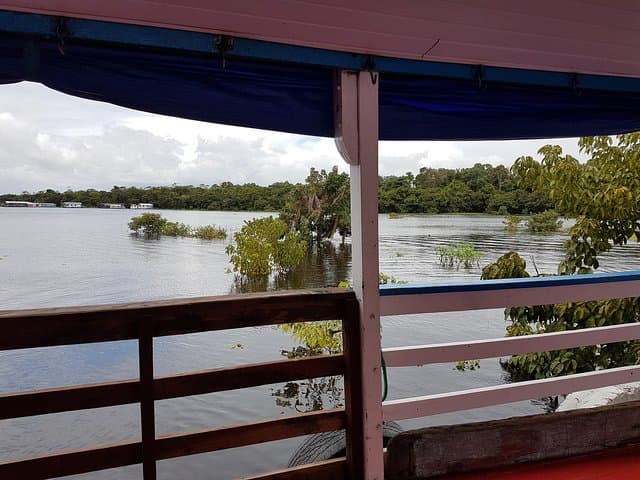
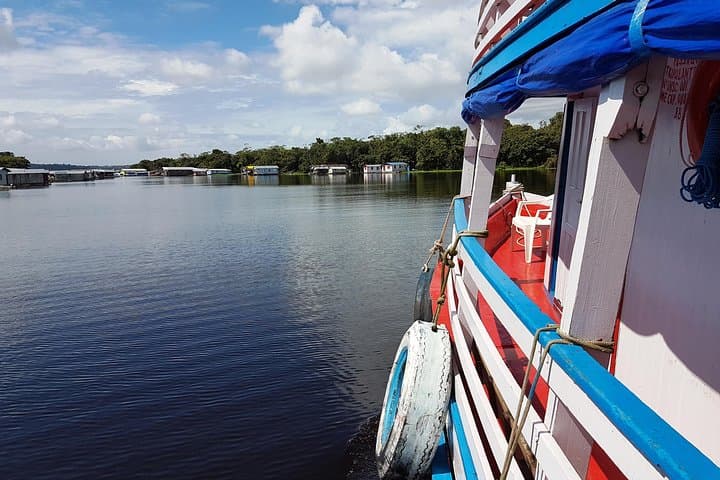
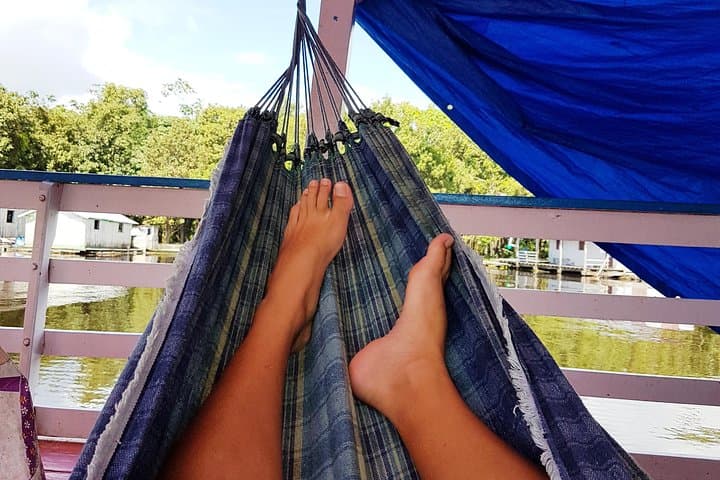
You push off from Manaus as the city skyline slides behind you and the river opens its slow, brown arms. The boat hums forward: teak decks, hammocks swaying, and a guide pointing where two rivers keep their own color — the dark Rio Negro and the sandy Solimões — until they run together at the famous Meeting of the Waters.
Verified experiences and guided adventures in the surrounding area.
Operated by Amazing Tours Agency · Manaus, Amazonas
You push off from Manaus as the city skyline slides behind you and the river opens its slow, brown arms. The boat hums forward: teak decks, hammocks swaying, and a guide pointing where two rivers keep their own color — the dark Rio Negro and the sandy Solimões — until they run together at the famous Meeting of the Waters.
The Amazon here is a living boundary. Geologically young, the Solimões carries sediment from the Andes while the Rio Negro drains peat-rich forests, creating that visible confluence. Culturally the route traces rubber-boom history and contemporary riverine life: floating houses on January Lake, craft fairs, and communities that still harvest rubber and fish for piranhas.
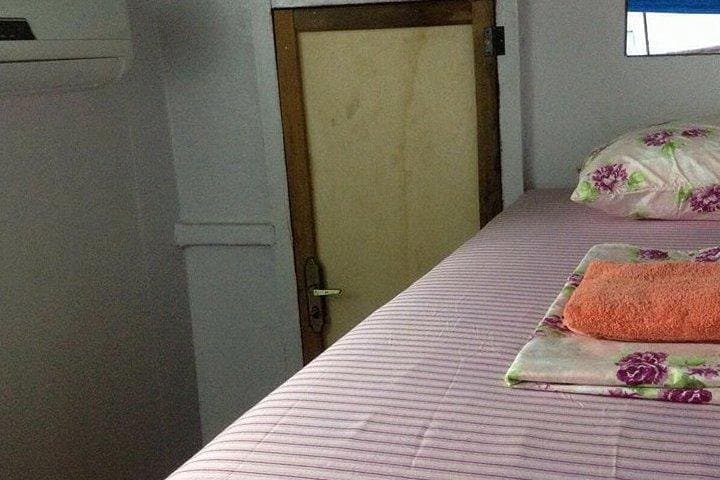
Expect a mixed itinerary: daytime canoe trips into igapó forest, birdwatching at dawn, a rubber-tapping demo in a riverside village, an optional swim at a sandy beach, and nocturnal caiman spotting using headlamps. Nights are spent aboard in hammocks; one night includes jungle camping and a short rainforest walk.
Practical notes: the trip runs about three days, with moderate fitness needed for short hikes, getting in/out of canoes and occasional uneven footing. Pack quick-dry clothing, insect protection, and a lightweight rain shell — river conditions and weather can change quickly. Bring cash for village purchases and a waterproof bag for electronics. Follow guides’ instructions during wildlife encounters; their protocols prioritize safe observation and minimal disturbance.
The cruise balances river travel, wildlife watching and cultural visits — a compact way to see the river’s ecology and communities without deep expedition logistics.
moderate.
3 days.
Moderate fitness for short hikes, canoe transfers, and basic camping tasks; be comfortable walking on uneven, wet ground.
Basic swimming ability is recommended for safety, but most river activities are on boats or supervised beaches; life jackets are provided for canoe trips.
Meals listed in the itinerary (breakfast, lunch, dinner) are included; bring snacks and any special dietary items and inform the operator ahead of time.
Consult a travel clinic for routine vaccines and yellow fever recommendations; bring anti-diarrheal medication and consider malaria advice based on current health guidance.
Space aboard is limited—pack soft bags under 15 kg and use waterproof sacks; large hard-shell luggage is discouraged.
The corridor around Manaus grew rapidly during the 19th-century rubber boom; river routes still connect small settlements that supply goods and cultural exchanges.
The Amazon is under pressure from deforestation and illegal activities; choose operators that follow low-impact wildlife viewing practices and respect protected areas.
Amazing Tours Agency operates guided outdoor trips and adventures with an emphasis on safety, stewardship, and memorable experiences.
You push off from Manaus as the city skyline slides behind you and the river opens its slow, brown arms. The boat hums forward: teak decks, hammocks swaying, and a guide pointing where two rivers keep their own color — the dark Rio Negro and the sandy Solimões — until they run together at the famous Meeting of the Waters.
You push off from Manaus as the city skyline slides behind you and the river opens its slow, brown arms. The boat hums forward: teak decks, hammocks swaying, and a guide pointing where two rivers keep their own color — the dark Rio Negro and the sandy Solimões — until they run together at the famous Meeting of the Waters.
The Amazon here is a living boundary. Geologically young, the Solimões carries sediment from the Andes while the Rio Negro drains peat-rich forests, creating that visible confluence. Culturally the route traces rubber-boom history and contemporary riverine life: floating houses on January Lake, craft fairs, and communities that still harvest rubber and fish for piranhas.
Expect a mixed itinerary: daytime canoe trips into igapó forest, birdwatching at dawn, a rubber-tapping demo in a riverside village, an optional swim at a sandy beach, and nocturnal caiman spotting using headlamps. Nights are spent aboard in hammocks; one night includes jungle camping and a short rainforest walk.
Practical notes: the trip runs about three days, with moderate fitness needed for short hikes, getting in/out of canoes and occasional uneven footing. Pack quick-dry clothing, insect protection, and a lightweight rain shell — river conditions and weather can change quickly. Bring cash for village purchases and a waterproof bag for electronics. Follow guides’ instructions during wildlife encounters; their protocols prioritize safe observation and minimal disturbance.
The cruise balances river travel, wildlife watching and cultural visits — a compact way to see the river’s ecology and communities without deep expedition logistics.