THE ADVENTURE COLLECTIVE® · Independent discovery and booking for outdoor travel

Five days moving through Pacaya‑Samiria’s flooded forests and channels, camping in hammocks and tents while searching for dolphins, macaws and elusive mammals. This guide outlines what to expect, how to prepare, and how to travel lightly in one of Peru’s richest wildlife reserves.
Five days moving through Pacaya‑Samiria’s flooded forests and channels, camping in hammocks and tents while searching for dolphins, macaws and elusive mammals. This guide outlines what to expect, how to prepare, and how to travel lightly in one of Peru’s richest wildlife reserves.
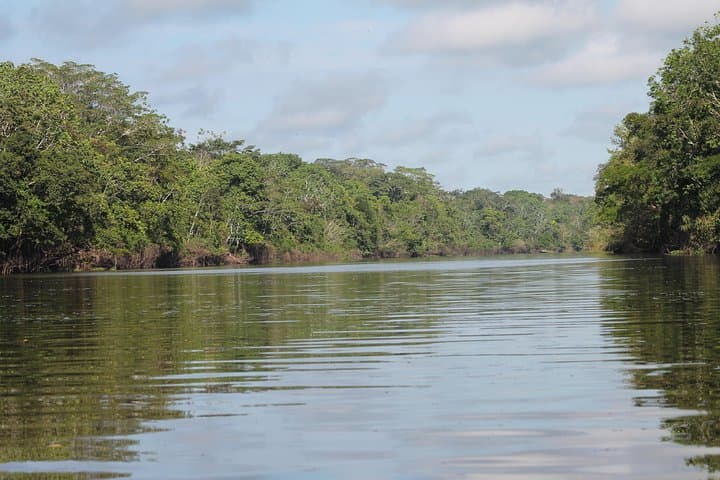
Dawn breaks over a black-brown river and the jungle answers with a layered chorus: insect hum, distant macaw screams, and the soft slap of an oar. On this five‑day expedition into Pacaya‑Samiria you move by boat and on foot through channels that dare you to slow down and pay attention.
Verified experiences and guided adventures in the surrounding area.
Operated by Tropical Adventures & Expeditions · Nauta, Loreto
Dawn breaks over a black-brown river and the jungle answers with a layered chorus: insect hum, distant macaw screams, and the soft slap of an oar. On this five‑day expedition into Pacaya‑Samiria you move by boat and on foot through channels that dare you to slow down and pay attention.
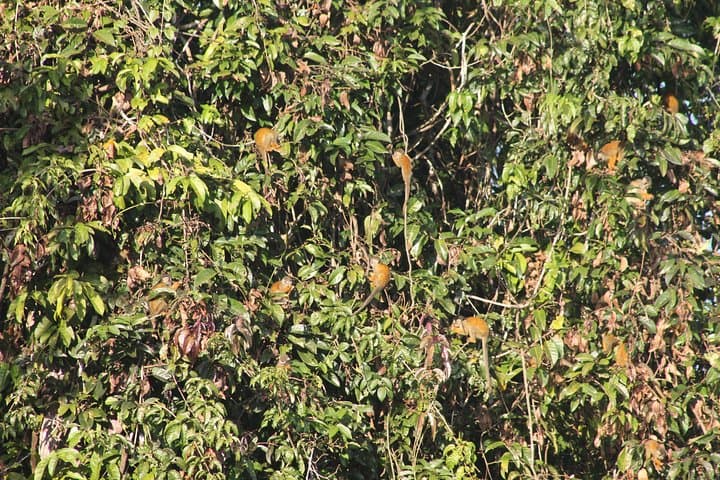
The reserve—one of Peru’s largest protected flooded-forest areas—was carved by millennia of river dynamics and seasonal pulses that flood forests and concentrate wildlife along oxbows and varzea banks. Indigenous communities have long read these rhythms for fish, fruit and shelter; modern naturalists arrive to observe pink dolphins, hoatzin, macaws, and the occasional giant river otter that treats channels like highways.
Geology here is riverine rather than mountainous: expect soft, silty banks, braided channels and seasonally inundated trails. Culturally, your guides will often explain subsistence fishing, traditional boat craft and how local families use chambira fiber for hammocks.
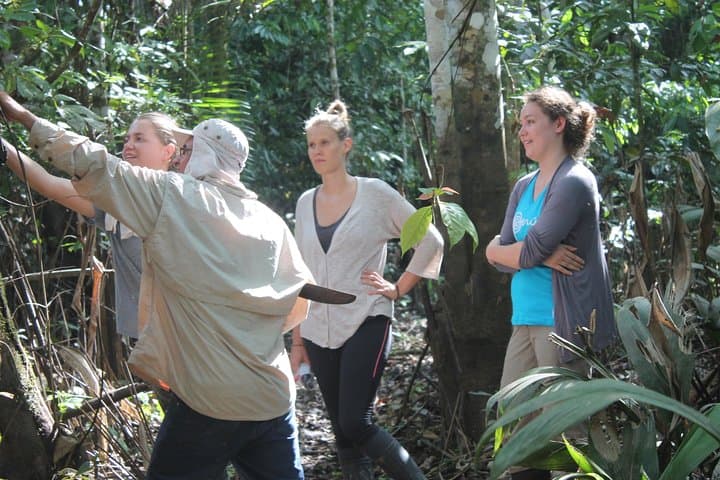
Practical guidance: be prepared for sticky humidity, mosquitoes at dusk, and trekking across muddy, uneven trails; the best wildlife viewing is at dawn and dusk. Bring lightweight long sleeves, waterproof layers, and binoculars for canopy viewing. Hydrate often; river water looks clean but should be treated.
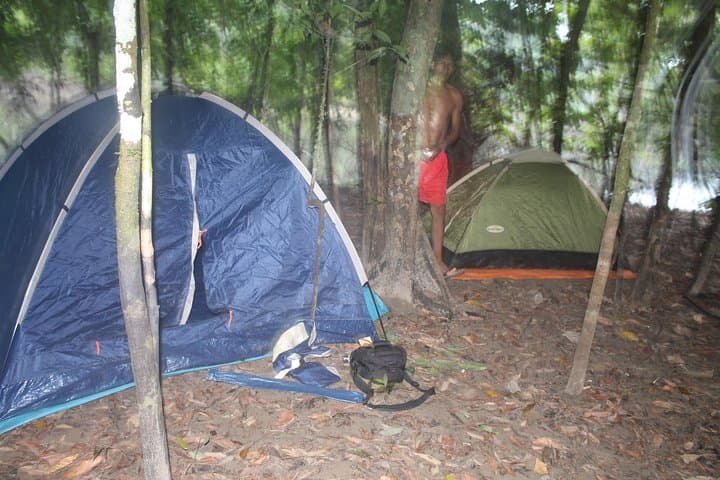
Camping is in tents and hammocks along riverbanks—simple, immersive and rhythmic with night calls and river sounds. Expect basic facilities and a strong emphasis on low-impact travel: pack out trash, use reef‑safe sunscreen, and follow your guide’s lead on wildlife distances. This is an expedition for those who want to trade creature comforts for close, responsible encounters with the Amazon’s living river.
moderate.
5 days.
Moderate fitness required—comfortable with daily hikes on uneven, muddy trails and multi‑hour boat transfers.
Trips depart from Iquitos and include multiple hours of boat travel to deep reserve camps; expect full‑day transfers on the river.
Meals listed include breakfasts, lunches and dinners; potable water is usually provided but bringing a personal water bottle and purification tablets is wise.
Basic jungle camping in tents and hammocks on riverbanks; facilities are rustic with an emphasis on immersion rather than comfort.
Not recommended for pregnant travelers or those with serious spinal or cardiovascular problems; families with older children who tolerate long days can participate with guidance.
The Pacaya‑Samiria reserve was established to protect seasonally flooded forests and the traditional livelihoods of river communities, preserving habitats shaped by annual Amazon pulses.
The reserve relies on regulated tourism and local stewardship to limit impact—travelers should use biodegradable products, avoid single‑use plastics, and follow guide protocols to reduce disturbance.
Tropical Adventures & Expeditions operates guided outdoor trips and adventures with an emphasis on safety, stewardship, and memorable experiences.
Dawn breaks over a black-brown river and the jungle answers with a layered chorus: insect hum, distant macaw screams, and the soft slap of an oar. On this five‑day expedition into Pacaya‑Samiria you move by boat and on foot through channels that dare you to slow down and pay attention.
Dawn breaks over a black-brown river and the jungle answers with a layered chorus: insect hum, distant macaw screams, and the soft slap of an oar. On this five‑day expedition into Pacaya‑Samiria you move by boat and on foot through channels that dare you to slow down and pay attention.
The reserve—one of Peru’s largest protected flooded-forest areas—was carved by millennia of river dynamics and seasonal pulses that flood forests and concentrate wildlife along oxbows and varzea banks. Indigenous communities have long read these rhythms for fish, fruit and shelter; modern naturalists arrive to observe pink dolphins, hoatzin, macaws, and the occasional giant river otter that treats channels like highways.
Geology here is riverine rather than mountainous: expect soft, silty banks, braided channels and seasonally inundated trails. Culturally, your guides will often explain subsistence fishing, traditional boat craft and how local families use chambira fiber for hammocks.
Practical guidance: be prepared for sticky humidity, mosquitoes at dusk, and trekking across muddy, uneven trails; the best wildlife viewing is at dawn and dusk. Bring lightweight long sleeves, waterproof layers, and binoculars for canopy viewing. Hydrate often; river water looks clean but should be treated.
Camping is in tents and hammocks along riverbanks—simple, immersive and rhythmic with night calls and river sounds. Expect basic facilities and a strong emphasis on low-impact travel: pack out trash, use reef‑safe sunscreen, and follow your guide’s lead on wildlife distances. This is an expedition for those who want to trade creature comforts for close, responsible encounters with the Amazon’s living river.