THE ADVENTURE COLLECTIVE® · Independent discovery and booking for outdoor travel

Spend seven days learning identification, preparation and therapeutic uses of Amazonian medicinal plants from guides near Iquitos. Expect boat travel, guided forest walks, hands-on practice and supervised treatments in a lodge or campsite setting.
Spend seven days learning identification, preparation and therapeutic uses of Amazonian medicinal plants from guides near Iquitos. Expect boat travel, guided forest walks, hands-on practice and supervised treatments in a lodge or campsite setting.
You step off the boat into a green corridor where the river breathes and the understory seems to watch. The guide moves with quiet certainty, pointing out a vine that stings like citrus or a broad leaf used to staunch bleeding, and the forest responds — humidity clinging to your shirt, insects bargaining with your exposed skin, birds calling like distant anchors.
Verified experiences and guided adventures in the surrounding area.
Operated by Green Wild Amazon Expedition · Iquitos, Loreto
You step off the boat into a green corridor where the river breathes and the understory seems to watch. The guide moves with quiet certainty, pointing out a vine that stings like citrus or a broad leaf used to staunch bleeding, and the forest responds — humidity clinging to your shirt, insects bargaining with your exposed skin, birds calling like distant anchors.
This seven-day program around Iquitos introduces traditional Amazonian plant medicine and practical field skills. Geologically the region is an alluvial floodplain carved by the Amazon and its tributaries; trails are low-elevation (typically under 100 m gain) but can be muddy, root-strewn, and interrupted by seasonal pools. The cultural fabric blends indigenous knowledge and mestizo riverine life — expect conversations about plant names, preparation techniques, and the ethical rules that govern plant use.
Days combine river travel, guided foraging walks (2–6 miles per day), hands-on preparations and supervised treatments at a remote lodge or campsite. Timing matters: early mornings are cooler and best for identification; mid-afternoon is prone to rain. Practical advice — bring durable waterproof boots for slick trails, high-SPF sun protection for open river travel, and insect repellent with DEET or picaridin. Hydration is constant: carry at least 2 liters and replenish with boiled or treated water provided by operators.
This trip is immersive but structured, intended for travelers with moderate fitness and an interest in ethnobotany. Respect local protocols: ask before touching cultivated or ritual plants and follow guides’ safety briefings for any therapeutic applications.
moderate.
7 days.
Requires moderate fitness: able to walk 2–6 miles on uneven, muddy terrain and board boats repeatedly.
Consult a travel clinic: routine vaccines plus yellow fever and updated tetanus are commonly recommended for the Peruvian Amazon; malaria prophylaxis may be advised depending on itinerary.
Moderate fitness: participants should be comfortable walking unpaved, often slippery trails for a few hours and stepping on and off boats multiple times.
Treatments are traditional and practitioner-led; they are not a substitute for medical care—disclose medical conditions and follow operator guidance.
Accommodations are typically rustic lodges, shelters or campsites with basic amenities; expect shared facilities and simple bedding.
The Loreto region’s plant knowledge derives from indigenous Amazonian cultures and riverine communities who have stewarded species and healing techniques for generations.
Operators often emphasize sustainable harvesting and respect for sacred plants; visitors should avoid removing specimens and follow leave-no-trace boat and camp protocols.
Green Wild Amazon Expedition operates guided outdoor trips and adventures with an emphasis on safety, stewardship, and memorable experiences.
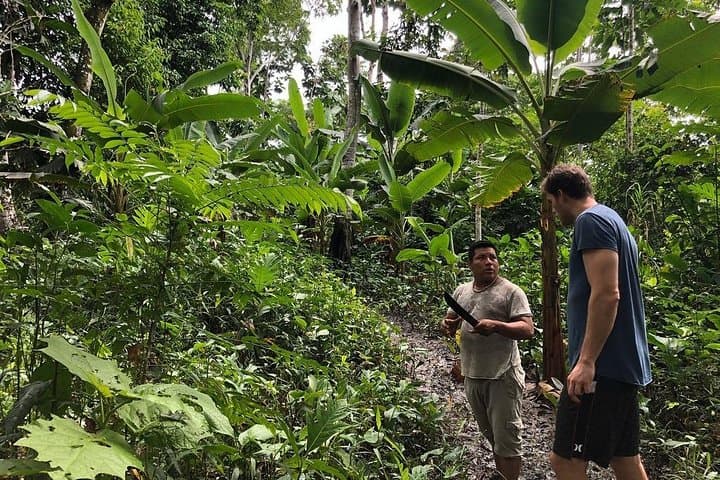
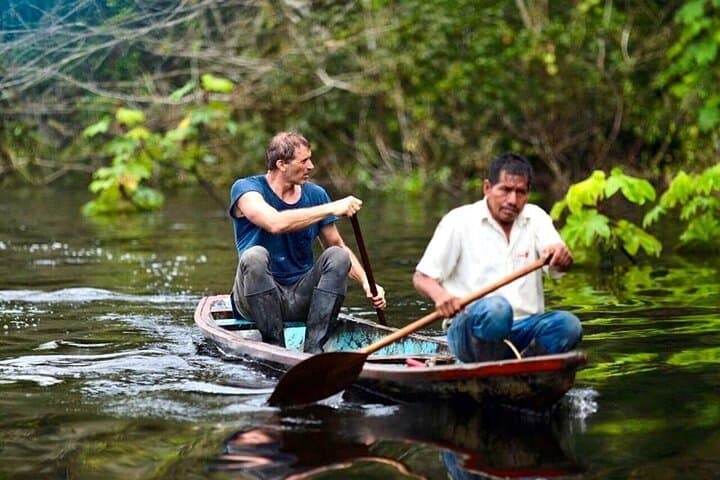
You step off the boat into a green corridor where the river breathes and the understory seems to watch. The guide moves with quiet certainty, pointing out a vine that stings like citrus or a broad leaf used to staunch bleeding, and the forest responds — humidity clinging to your shirt, insects bargaining with your exposed skin, birds calling like distant anchors.
You step off the boat into a green corridor where the river breathes and the understory seems to watch. The guide moves with quiet certainty, pointing out a vine that stings like citrus or a broad leaf used to staunch bleeding, and the forest responds — humidity clinging to your shirt, insects bargaining with your exposed skin, birds calling like distant anchors.
This seven-day program around Iquitos introduces traditional Amazonian plant medicine and practical field skills. Geologically the region is an alluvial floodplain carved by the Amazon and its tributaries; trails are low-elevation (typically under 100 m gain) but can be muddy, root-strewn, and interrupted by seasonal pools. The cultural fabric blends indigenous knowledge and mestizo riverine life — expect conversations about plant names, preparation techniques, and the ethical rules that govern plant use.
Days combine river travel, guided foraging walks (2–6 miles per day), hands-on preparations and supervised treatments at a remote lodge or campsite. Timing matters: early mornings are cooler and best for identification; mid-afternoon is prone to rain. Practical advice — bring durable waterproof boots for slick trails, high-SPF sun protection for open river travel, and insect repellent with DEET or picaridin. Hydration is constant: carry at least 2 liters and replenish with boiled or treated water provided by operators.
This trip is immersive but structured, intended for travelers with moderate fitness and an interest in ethnobotany. Respect local protocols: ask before touching cultivated or ritual plants and follow guides’ safety briefings for any therapeutic applications.