THE ADVENTURE COLLECTIVE® · Independent discovery and booking for outdoor travel

Seven days of hands-on survival training in the Peruvian Amazon, starting from Iquitos and moving into community forests around Nauta. Expect boat travel, night hikes, and practical instruction in shelter, water treatment, and navigation.
Seven days of hands-on survival training in the Peruvian Amazon, starting from Iquitos and moving into community forests around Nauta. Expect boat travel, night hikes, and practical instruction in shelter, water treatment, and navigation.
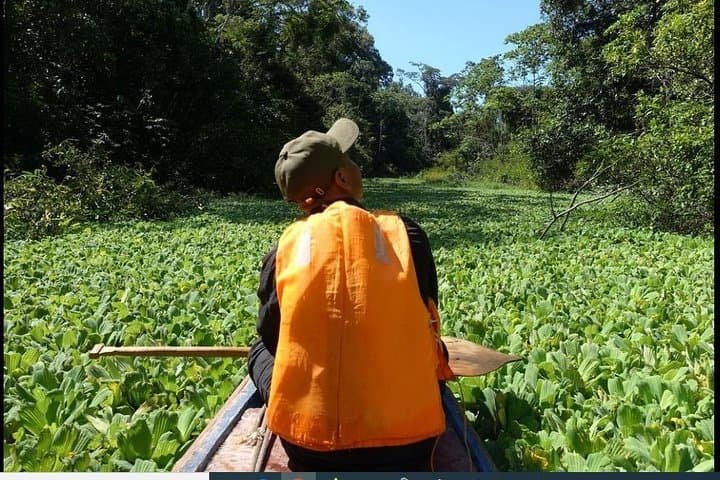
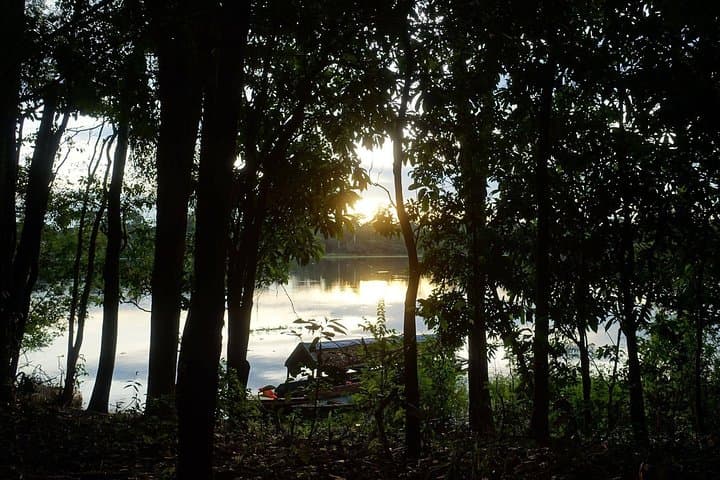
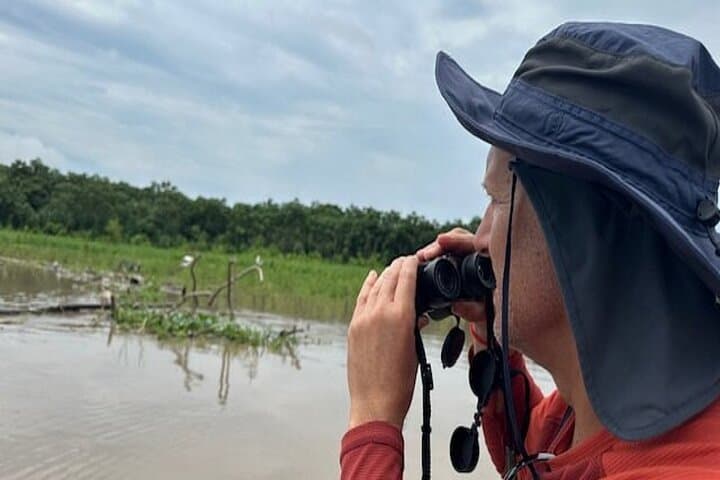
At first light the motorboat cuts the glassy ribbon of the Marañón-Ucayali confluence and the jungle leans forward like an instructor, close enough to hear. Over seven days the forest becomes a practical classroom: you’ll trade classroom diagrams for living lessons—tracking, shelter-building, water procurement, and low-light navigation—while river mornings and night hikes reveal species that are active outside daylight hours.
Verified experiences and guided adventures in the surrounding area.
Operated by jimmy jaguar travel · Iquitos, Loreto
At first light the motorboat cuts the glassy ribbon of the Marañón-Ucayali confluence and the jungle leans forward like an instructor, close enough to hear. Over seven days the forest becomes a practical classroom: you’ll trade classroom diagrams for living lessons—tracking, shelter-building, water procurement, and low-light navigation—while river mornings and night hikes reveal species that are active outside daylight hours.
Geologically this lowland Amazon basin is young sediment—meanders, oxbow lakes, and flooded varzea that shift with the seasons. Culturally, the route touches communities around Nauta where river-based livelihoods—fishing, small-scale agriculture, and craft—shape daily life; local guides fold that knowledge into survival techniques, from edible plants to respectful foraging.
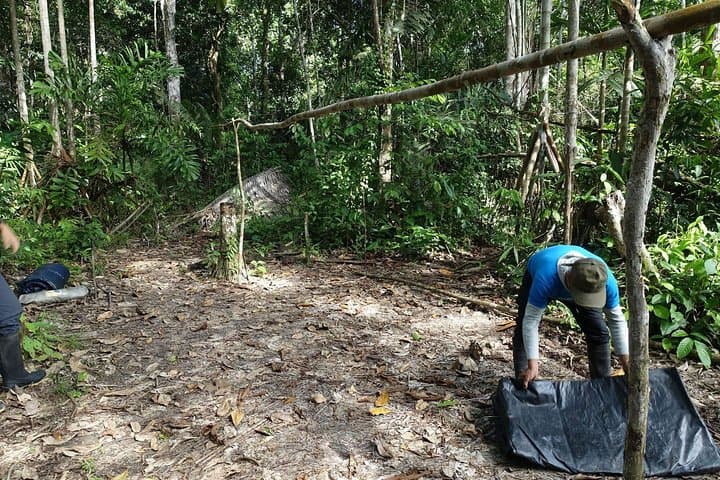
Expect humid heat, mosquitoes, and steady river travel on tributaries such as the Yarapa and Cumaceba. Lodging is basic: community or field-style shelters that double as training bases. The program alternates focused classroom days with multi-day field application—practice firecraft, knotwork, improvised first aid, and river safety—culminating in an overnight field exercise.
Practical advice: bring quick-dry layers and rubber-soled boots, a reliable water-treatment method, and a headlamp with spare batteries. Hydrate proactively and pace yourself on night hikes; currents, not trails, are often the trickiest element here. Follow instructors’ safety briefings and enter this course ready for hands-on learning rather than comfort—leave with sharpened skills and a deeper respect for a river that keeps moving you forward.
moderate.
7 days.
Suitable for travelers comfortable with multi-day humid conditions and basic physical tasks; not highly technical but requires stamina and adaptability.
Most departures are from Iquitos with transfers by road and river to the Nauta area; the itinerary returns to Iquitos on the final day.
Yes—trainers teach foundational skills and the course is designed for newcomers, but participants should be prepared for basic discomfort and humid conditions.
Accommodations are simple community or field lodgings focused on immersion and practicality rather than luxury; expect shared sleeping areas and basic facilities.
Consult a travel clinic before arrival; recommended measures often include routine vaccinations, yellow fever (per current guidance), and malaria prophylaxis depending on itinerary and timing.
This stretch of the Amazon has long been a corridor for riverine cultures and rubber trade routes; settlements like Nauta grew as river ports linking inland communities to Iquitos.
The region faces pressure from deforestation and unsustainable resource extraction; small-group, community-based tourism helps fund local stewardship and provides economic alternatives.
jimmy jaguar travel operates guided outdoor trips and adventures with an emphasis on safety, stewardship, and memorable experiences.
At first light the motorboat cuts the glassy ribbon of the Marañón-Ucayali confluence and the jungle leans forward like an instructor, close enough to hear. Over seven days the forest becomes a practical classroom: you’ll trade classroom diagrams for living lessons—tracking, shelter-building, water procurement, and low-light navigation—while river mornings and night hikes reveal species that are active outside daylight hours.
At first light the motorboat cuts the glassy ribbon of the Marañón-Ucayali confluence and the jungle leans forward like an instructor, close enough to hear. Over seven days the forest becomes a practical classroom: you’ll trade classroom diagrams for living lessons—tracking, shelter-building, water procurement, and low-light navigation—while river mornings and night hikes reveal species that are active outside daylight hours.
Geologically this lowland Amazon basin is young sediment—meanders, oxbow lakes, and flooded varzea that shift with the seasons. Culturally, the route touches communities around Nauta where river-based livelihoods—fishing, small-scale agriculture, and craft—shape daily life; local guides fold that knowledge into survival techniques, from edible plants to respectful foraging.
Expect humid heat, mosquitoes, and steady river travel on tributaries such as the Yarapa and Cumaceba. Lodging is basic: community or field-style shelters that double as training bases. The program alternates focused classroom days with multi-day field application—practice firecraft, knotwork, improvised first aid, and river safety—culminating in an overnight field exercise.
Practical advice: bring quick-dry layers and rubber-soled boots, a reliable water-treatment method, and a headlamp with spare batteries. Hydrate proactively and pace yourself on night hikes; currents, not trails, are often the trickiest element here. Follow instructors’ safety briefings and enter this course ready for hands-on learning rather than comfort—leave with sharpened skills and a deeper respect for a river that keeps moving you forward.