THE ADVENTURE COLLECTIVE® · Independent discovery and booking for outdoor travel

Row into dawn on the Madre de Dios and watch parrots and macaws gather at a river clay lick. This short, early-morning boat trip is prime for close wildlife viewing and photography in Tambopata’s protected lowland rainforest.
Row into dawn on the Madre de Dios and watch parrots and macaws gather at a river clay lick. This short, early-morning boat trip is prime for close wildlife viewing and photography in Tambopata’s protected lowland rainforest.
Before first light the river becomes an inky ribbon and the air tastes of damp wood and distant orchids.
Verified experiences and guided adventures in the surrounding area.
Operated by Machupicchu Holiday · Puerto Maldonado, Madre de Dios
Before first light the river becomes an inky ribbon and the air tastes of damp wood and distant orchids.
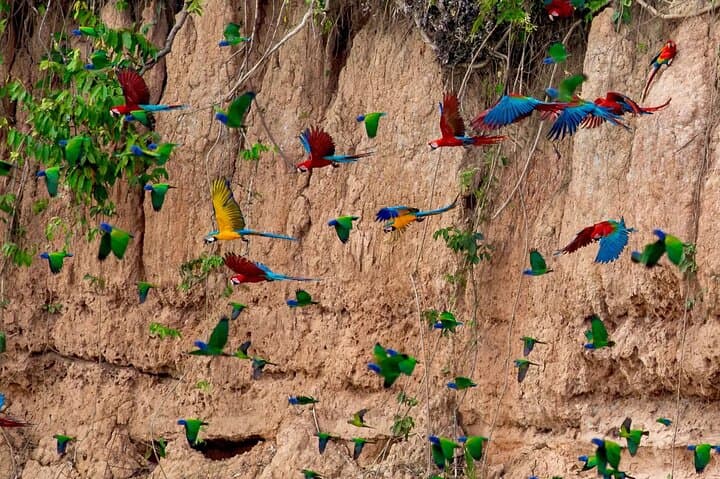
You glide toward a sheer clay bank where parrots and macaws begin to arrive in a feathered tide. The birds wheel, quarrel and land in tight ranks on the exposed cliff, extracting minerals that the jungle soil cannot provide. Guides position the boat at a respectful distance; lenses click and breath quiets as color fills the dawn.
This stretch of the Madre de Dios basin sits on recently uplifted Amazonian alluvium; seasonal river cuts expose sodium-rich clays that many parrot species rely on. Human history here spans indigenous families who read the river for food and travel to rubber-era outposts and modern conservation efforts centered on Tambopata National Reserve and nearby concessions.
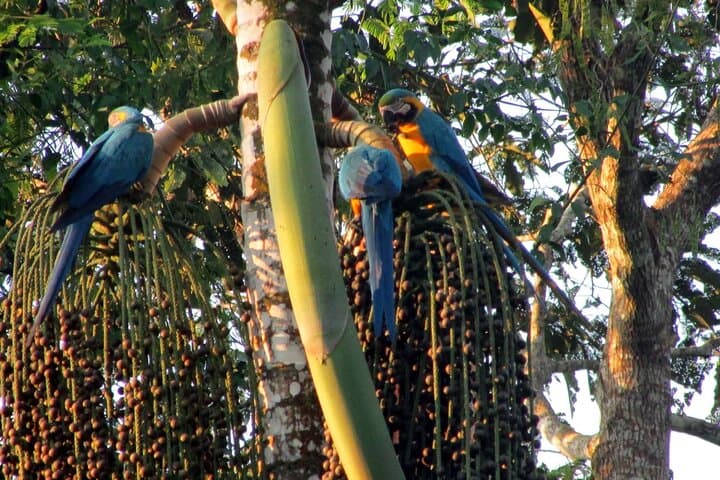
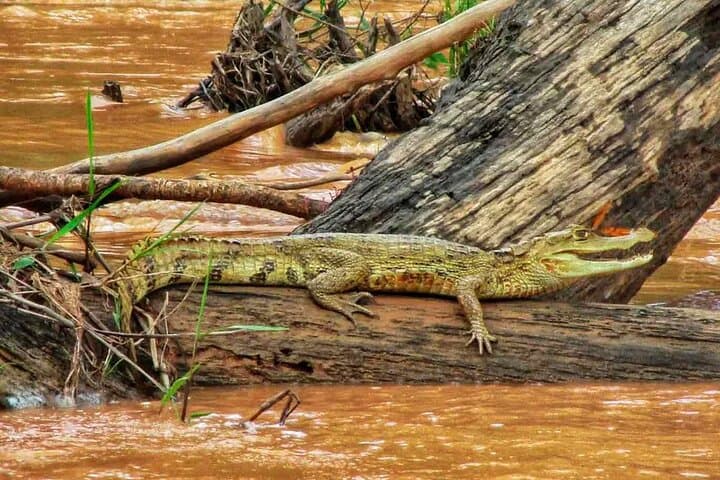
Expect close-range natural history: parrots and macaws predominate, but guides also point out caimans sunning on banks, capybaras grazing at eye level and the slow silhouette of sloths in canopy shadows. The experience is short and sharp—arrive before 5 a.m. for the biggest congregations, and be ready for sudden light and wet boat spray.
Practical edge: dress in quick-dry layers, bring binoculars and a camera with a fast lens, and carry insect repellent. Since the clay lick activity is weather-sensitive, flexibility in timing pays off; plan an early transfer from Puerto Maldonado and reserve daylight hours afterward for river or lodge trails.
easy.
3–4 hours.
Suitable for most fitness levels; requires short periods of sitting in a small boat and brief walking at riverbanks
The guided clay lick viewing is typically about 60–90 minutes within a 3–4 hour total excursion, allowing travel time from Puerto Maldonado and return.
While sightings are very likely—especially on clear mornings—exact species and numbers vary with season, river level and weather; guides increase your chances through local knowledge.
Yes; the tour is rated easy and suitable for most ages, though very young children and those with limited mobility should check boat boarding requirements with the operator.
Round-trip transfers are normally included—confirm pickup time and meeting point when you book since departures occur before dawn.
The Madre de Dios region has long been a travel corridor for indigenous groups and later rubber and gold-era settlements; modern ecotourism grew with conservation efforts in the late 20th century.
Visits are managed to limit disturbance—stay on board or marked trails, avoid feeding wildlife, and follow guide instructions to reduce impacts on clay licks and riverbanks.
Machupicchu Holiday operates guided outdoor trips and adventures with an emphasis on safety, stewardship, and memorable experiences.
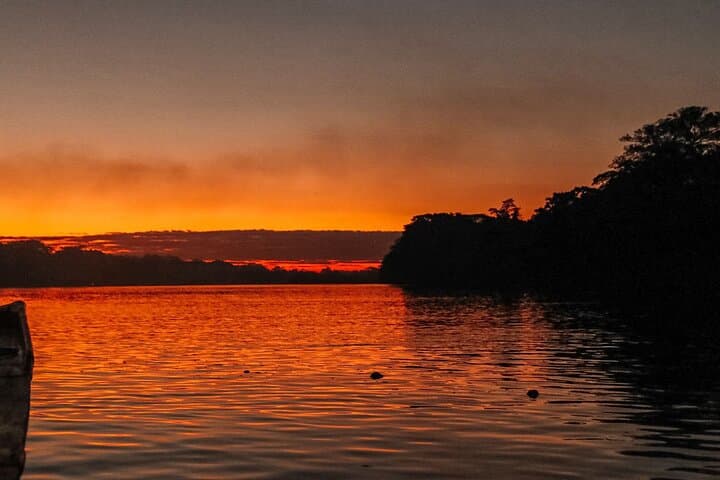
Before first light the river becomes an inky ribbon and the air tastes of damp wood and distant orchids.
Before first light the river becomes an inky ribbon and the air tastes of damp wood and distant orchids.
You glide toward a sheer clay bank where parrots and macaws begin to arrive in a feathered tide. The birds wheel, quarrel and land in tight ranks on the exposed cliff, extracting minerals that the jungle soil cannot provide. Guides position the boat at a respectful distance; lenses click and breath quiets as color fills the dawn.
This stretch of the Madre de Dios basin sits on recently uplifted Amazonian alluvium; seasonal river cuts expose sodium-rich clays that many parrot species rely on. Human history here spans indigenous families who read the river for food and travel to rubber-era outposts and modern conservation efforts centered on Tambopata National Reserve and nearby concessions.
Expect close-range natural history: parrots and macaws predominate, but guides also point out caimans sunning on banks, capybaras grazing at eye level and the slow silhouette of sloths in canopy shadows. The experience is short and sharp—arrive before 5 a.m. for the biggest congregations, and be ready for sudden light and wet boat spray.
Practical edge: dress in quick-dry layers, bring binoculars and a camera with a fast lens, and carry insect repellent. Since the clay lick activity is weather-sensitive, flexibility in timing pays off; plan an early transfer from Puerto Maldonado and reserve daylight hours afterward for river or lodge trails.