THE ADVENTURE COLLECTIVE® · Independent discovery and booking for outdoor travel

Leave Manaus behind for 48 hours on a motorized canoe through Negro River channels, flooded forests and floating villages. Expect pink dolphin encounters, piranha fishing, an indigenous village visit and a basic overnight under mosquito nets.
Leave Manaus behind for 48 hours on a motorized canoe through Negro River channels, flooded forests and floating villages. Expect pink dolphin encounters, piranha fishing, an indigenous village visit and a basic overnight under mosquito nets.
When the motorized canoe slips away from the Manaus shoreline the city’s noise lingers like a postcard left behind. The Negro River swallows the wake and the air changes—humid, green, and alert. Guides call out directions in Portuguese while the water darkens; over the next 48 hours you move through a living landscape that rearranges itself by tide and rain: flooded forests that stand like submerged columns, villages that float on timber, and channels where pink river dolphins break the surface like punctuation marks.
Verified experiences and guided adventures in the surrounding area.
Operated by Amazon Private Tours by Milton Fernandes · Manaus, Amazonas
When the motorized canoe slips away from the Manaus shoreline the city’s noise lingers like a postcard left behind. The Negro River swallows the wake and the air changes—humid, green, and alert. Guides call out directions in Portuguese while the water darkens; over the next 48 hours you move through a living landscape that rearranges itself by tide and rain: flooded forests that stand like submerged columns, villages that float on timber, and channels where pink river dolphins break the surface like punctuation marks.
This two-day, one-night excursion is rooted in both natural history and human adaptation. Geologically the Negro River’s tannin-rich waters contrast with the sediment-heavy Amazon, creating the famous Encontro das Águas where two rivers run side by side without mixing. Culturally the route threads sites shaped by the rubber boom—seen by the silhouette of Manaus from the water—and by indigenous communities who still practice rites and crafts passed down generations.
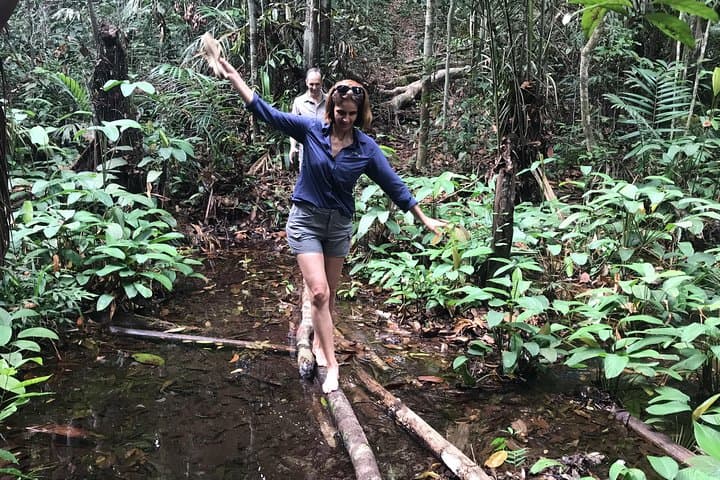
On day one, a 2.5-hour jungle trek introduces medicinal plants and shelter-building techniques before a simple lunch on a floating house. Afternoon brings close encounters at a research platform with boto (pink dolphins) and a piranha-fishing stop where guides handle the hooks. At sundown the river stages its own show; later, under mosquito-netted roofs, night searches can reveal the glow of a caiman’s eyes.
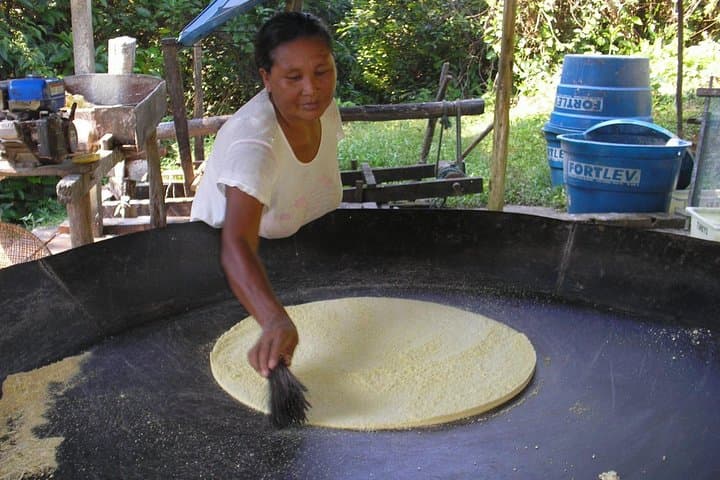
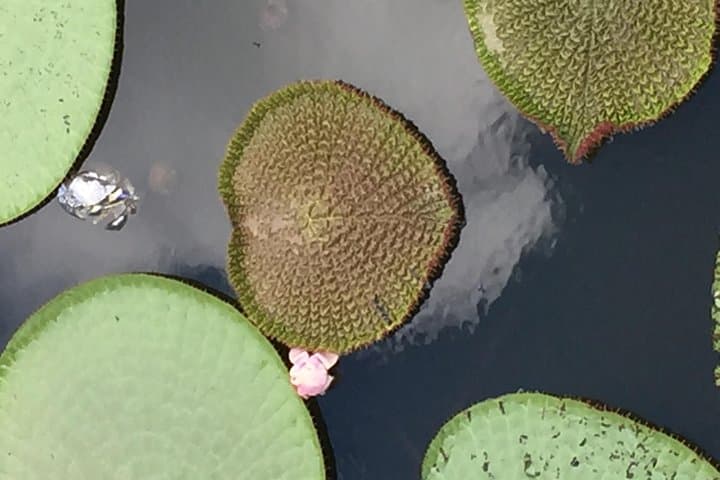
Day two begins before sunrise, when wildlife is most active. A speedboat ride reaches an indigenous village to learn traditional songs and crafts, and, depending on water levels, you’ll stroll suspended walkways to see giant water lilies or visit Lago do Catalão’s floating community and its arapaima pens—where the freshwater giants test your sense of scale.
Practical edge: this is not luxury travel. Accommodations are basic—beds with nets and modest toilets—and food is simple Amazonian fare (the trip notes limited vegetarian options except at a floating restaurant on day two). Bring sturdy closed shoes for muddy trails, swimwear for river dips, and a waterproof bag for cameras. WhatsApp is the supplier’s pickup channel—share your number and be ready at hotels or meet near the Amazonas Theater if needed.
Expect high humidity, mosquitoes in the wetter months, and unpredictable weather; guides are local and experienced, but sightings of animals are, by definition, up to nature. Bring cash in small bills for souvenirs, modest tips, and beers at floating stops. If you want comforts of a hotel bed, consider the 12-hour daytime option instead; this overnight is for travelers who want to feel the river’s rhythm and sleep close to the sounds of the forest.
moderate.
48 hours (2 days, 1 night).
Moderate fitness recommended—able to walk 2–3 hours on uneven, sometimes muddy trails and climb into canoes; basic swimming ability helpful.
The operator uses WhatsApp to coordinate pickups; they will collect guests from select Manaus hotels or ask others to meet near the Amazonas Theater downtown at 8:00 a.m.
Meals are simple Amazonian fare; vegetarian options are limited but the day-two floating restaurant usually offers some vegetarian dishes—notify the operator in advance.
Accommodations are basic—beds with mosquito nets and private simple toilets—intended to give an authentic river experience rather than hotel comfort.
No—animal sightings depend on season and luck. Guides know the best spots, especially for pink dolphins and caimans, but nature remains unpredictable.
Guides are experienced and handle catches; never approach or try to feed wildlife on your own and follow guide instructions closely during night searches and fishing.
Check CDC or your doctor for recommended vaccines (e.g., yellow fever) and discuss malaria prophylaxis; bring personal medications and a basic first-aid kit.
Manaus’s riverside routes reflect the rubber-boom era that funded the Amazonas Theater and shaped regional trade; many riverside communities still retain those historical ties.
This riverine environment is sensitive—avoid single-use plastics, do not disturb wildlife, and buy crafts directly from communities to support local economies.
Amazon Private Tours by Milton Fernandes operates guided outdoor trips and adventures with an emphasis on safety, stewardship, and memorable experiences.
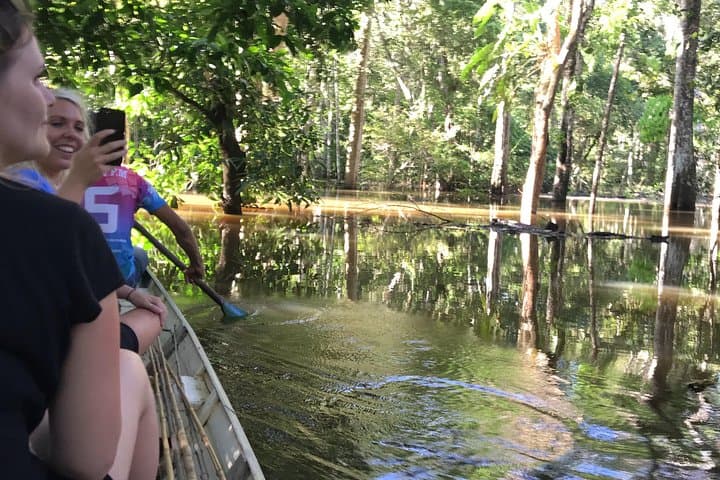
When the motorized canoe slips away from the Manaus shoreline the city’s noise lingers like a postcard left behind. The Negro River swallows the wake and the air changes—humid, green, and alert. Guides call out directions in Portuguese while the water darkens; over the next 48 hours you move through a living landscape that rearranges itself by tide and rain: flooded forests that stand like submerged columns, villages that float on timber, and channels where pink river dolphins break the surface like punctuation marks.
When the motorized canoe slips away from the Manaus shoreline the city’s noise lingers like a postcard left behind. The Negro River swallows the wake and the air changes—humid, green, and alert. Guides call out directions in Portuguese while the water darkens; over the next 48 hours you move through a living landscape that rearranges itself by tide and rain: flooded forests that stand like submerged columns, villages that float on timber, and channels where pink river dolphins break the surface like punctuation marks.
This two-day, one-night excursion is rooted in both natural history and human adaptation. Geologically the Negro River’s tannin-rich waters contrast with the sediment-heavy Amazon, creating the famous Encontro das Águas where two rivers run side by side without mixing. Culturally the route threads sites shaped by the rubber boom—seen by the silhouette of Manaus from the water—and by indigenous communities who still practice rites and crafts passed down generations.
On day one, a 2.5-hour jungle trek introduces medicinal plants and shelter-building techniques before a simple lunch on a floating house. Afternoon brings close encounters at a research platform with boto (pink dolphins) and a piranha-fishing stop where guides handle the hooks. At sundown the river stages its own show; later, under mosquito-netted roofs, night searches can reveal the glow of a caiman’s eyes.
Day two begins before sunrise, when wildlife is most active. A speedboat ride reaches an indigenous village to learn traditional songs and crafts, and, depending on water levels, you’ll stroll suspended walkways to see giant water lilies or visit Lago do Catalão’s floating community and its arapaima pens—where the freshwater giants test your sense of scale.
Practical edge: this is not luxury travel. Accommodations are basic—beds with nets and modest toilets—and food is simple Amazonian fare (the trip notes limited vegetarian options except at a floating restaurant on day two). Bring sturdy closed shoes for muddy trails, swimwear for river dips, and a waterproof bag for cameras. WhatsApp is the supplier’s pickup channel—share your number and be ready at hotels or meet near the Amazonas Theater if needed.
Expect high humidity, mosquitoes in the wetter months, and unpredictable weather; guides are local and experienced, but sightings of animals are, by definition, up to nature. Bring cash in small bills for souvenirs, modest tips, and beers at floating stops. If you want comforts of a hotel bed, consider the 12-hour daytime option instead; this overnight is for travelers who want to feel the river’s rhythm and sleep close to the sounds of the forest.