THE ADVENTURE COLLECTIVE® · Independent discovery and booking for outdoor travel

Spend three days moving between river and forest on this Amazon expedition from Iquitos. Expect canoe rides, dawn dolphin watches, night wildlife searches, and village visits guided by local experts.
Spend three days moving between river and forest on this Amazon expedition from Iquitos. Expect canoe rides, dawn dolphin watches, night wildlife searches, and village visits guided by local experts.
Dawn breaks over a broad, slow river and the jungle answers—howler monkeys punctuate the quiet, and a low mist clings to the water as your canoe cuts a deliberate path toward the forest.
Verified experiences and guided adventures in the surrounding area.
Operated by Lupuna jungle tours · Iquitos, Loreto
Dawn breaks over a broad, slow river and the jungle answers—howler monkeys punctuate the quiet, and a low mist clings to the water as your canoe cuts a deliberate path toward the forest.
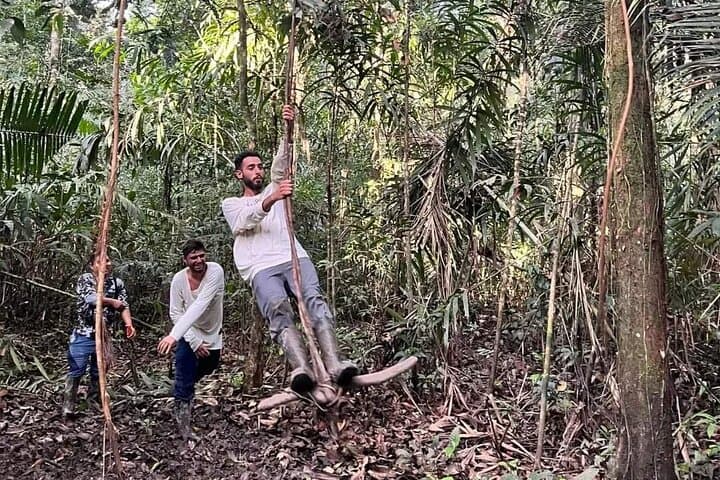
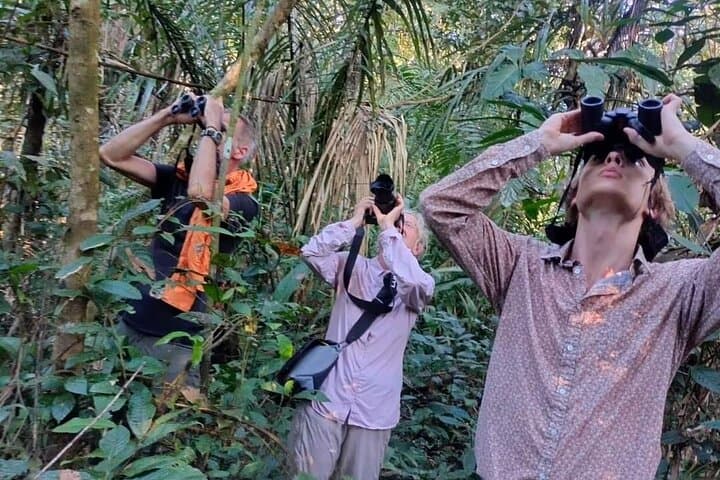
This three-day, two-night expedition from Iquitos moves between river and trail: boat crossings along the Amazon, guided jungle hikes, night searches for insects and caimans, and early-morning watches for pink and gray dolphins. The terrain alternates between oxbow lakes (cochas), muddy riverbanks, and raised trails beneath kapok and lupuna trees. Geologically the region is the Amazon Basin’s alluvial plain—soft soils, slow-moving channels, and seasonal flooded forests that reshape with the rains.
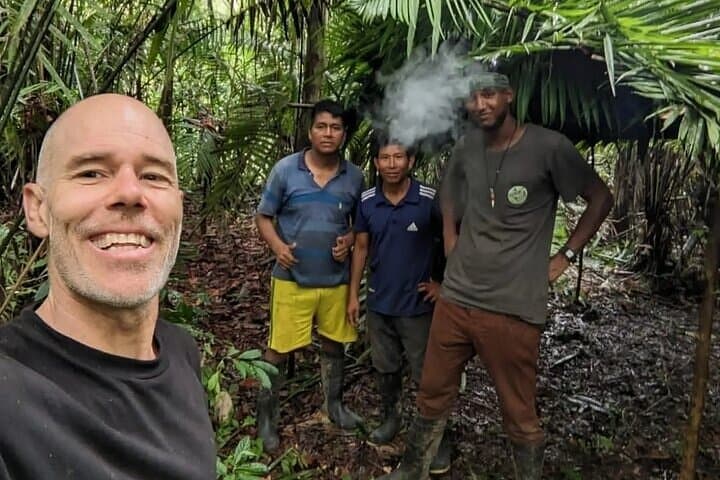
Culturally the trip includes visits to riverine communities where traditional fishing and boatbuilding remain daily rhythms; local guides often share Quechua or Kukama-Kukamiria stories and practical knowledge of medicinal plants.
Practical guidance: expect humid heat, sudden showers, and lots of insect activity. Daily rhythms revolve around sunrise and dusk—prime wildlife windows—so plan sleep and activity around those times. Wear quick-dry layers, sturdy waterproof footwear for muddy trails, and carry a headlamp for night walks. Bring insect repellent with DEET or picaridin, a small dry bag for electronics, and a reusable water bottle with purification tablets as backup.
The experience is immersive but accessible—no technical skills required beyond basic paddling balance and a willingness to move slowly and quietly. Respect local rules on wildlife distances and fishing practices; this is an active area for conservation and community-managed reserves.
moderate.
3 days.
Suitable for travelers in good general health who can walk 1–3 miles on uneven, muddy trails and board small boats; minimal mobility limitations may be challenging.
Consult a travel clinic—yellow fever vaccination is commonly recommended for Amazon travel; ensure routine vaccines are current and discuss malaria prevention.
Guides follow best-practice distancing—expect observation from shore, boats, or safe vantage points rather than close handling; dolphins are often seen near the river edges at dawn.
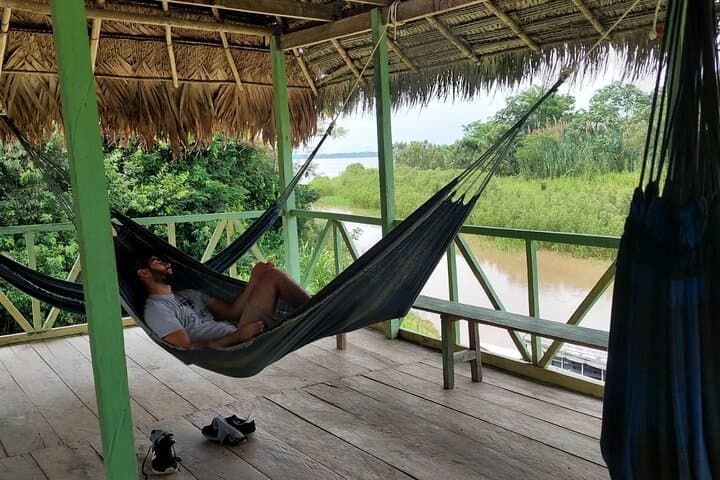
Accommodations vary between simple community lodges and basic jungle camps—expect shared facilities, mosquito nets, and rustic comforts rather than luxury amenities.
Families with older children who tolerate heat and basic camping conditions can participate, but infants and very young children may find the night activities and travel challenging.
The region is part of the Loreto department, long inhabited by Amazonian river communities whose livelihoods revolve around seasonal fishing, canoe travel, and use of medicinal flora.
Parts of the route enter community-managed reserves and the Pacaya Samiria conservation area; stick to trails, avoid feeding wildlife, and follow guide instructions to minimize impact.
Lupuna jungle tours operates guided outdoor trips and adventures with an emphasis on safety, stewardship, and memorable experiences.
Dawn breaks over a broad, slow river and the jungle answers—howler monkeys punctuate the quiet, and a low mist clings to the water as your canoe cuts a deliberate path toward the forest.
Dawn breaks over a broad, slow river and the jungle answers—howler monkeys punctuate the quiet, and a low mist clings to the water as your canoe cuts a deliberate path toward the forest.
This three-day, two-night expedition from Iquitos moves between river and trail: boat crossings along the Amazon, guided jungle hikes, night searches for insects and caimans, and early-morning watches for pink and gray dolphins. The terrain alternates between oxbow lakes (cochas), muddy riverbanks, and raised trails beneath kapok and lupuna trees. Geologically the region is the Amazon Basin’s alluvial plain—soft soils, slow-moving channels, and seasonal flooded forests that reshape with the rains.
Culturally the trip includes visits to riverine communities where traditional fishing and boatbuilding remain daily rhythms; local guides often share Quechua or Kukama-Kukamiria stories and practical knowledge of medicinal plants.
Practical guidance: expect humid heat, sudden showers, and lots of insect activity. Daily rhythms revolve around sunrise and dusk—prime wildlife windows—so plan sleep and activity around those times. Wear quick-dry layers, sturdy waterproof footwear for muddy trails, and carry a headlamp for night walks. Bring insect repellent with DEET or picaridin, a small dry bag for electronics, and a reusable water bottle with purification tablets as backup.
The experience is immersive but accessible—no technical skills required beyond basic paddling balance and a willingness to move slowly and quietly. Respect local rules on wildlife distances and fishing practices; this is an active area for conservation and community-managed reserves.