THE ADVENTURE COLLECTIVE® · Independent discovery and booking for outdoor travel

Float down the Arajuno, walk shaded trails, and meet Kichwa hosts at Itamandi EcoLodge — a four-day mix of river canoes, birding and cultural exchange in Ecuador’s Amazon. Read practical tips for packing, timing and what wildlife you’re most likely to see.
Float down the Arajuno, walk shaded trails, and meet Kichwa hosts at Itamandi EcoLodge — a four-day mix of river canoes, birding and cultural exchange in Ecuador’s Amazon. Read practical tips for packing, timing and what wildlife you’re most likely to see.
Mist lifts from the Arajuno River as motorized canoes cut a silver path through morning fog — you step onto a wooden dock and the rainforest inhales around you. The lodge’s open-air terraces give way to the sound of distant howler calls and the urgent chatter of birds; the river dares you to slow down and listen.
Verified experiences and guided adventures in the surrounding area.
Operated by Adventure Journeys · Tena, Napo
Mist lifts from the Arajuno River as motorized canoes cut a silver path through morning fog — you step onto a wooden dock and the rainforest inhales around you. The lodge’s open-air terraces give way to the sound of distant howler calls and the urgent chatter of birds; the river dares you to slow down and listen.
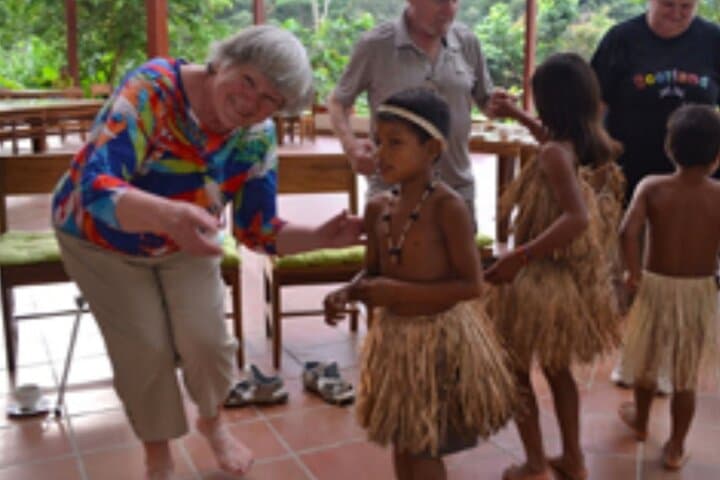
This corner of Ecuador’s Napo province sits where Andean runoff meets lowland Amazon basin soils, creating one of the most biodiverse mosaics on the planet. Indigenous Kichwa communities have lived here for generations, and their relationship with the forest shapes itineraries: cultural visits, artisan chocolate-making, and traditional dances are part of the narrative. Across the channel, Jatun Sacha’s research plots remind visitors that science and stewardship run hand in hand with tourism.
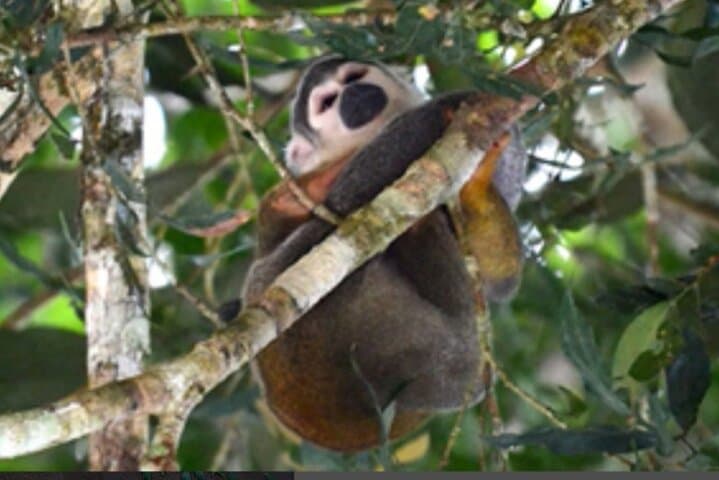
Expect daily rhythm rather than rigid schedules: dawn canoe rides to spotting clay licks, guided forest walks to find titis and toucans, and nighttime excursions where the jungle’s nocturnal cast takes center stage. Trails vary from packed riverbanks to muddy understory routes; the elevation change is minimal but humidity and heat intensify exertion.
Practical notes: bring insect protection, quick-dry layers, and a waterproof daypack; plan on modest internet access and simple, well-prepared meals. The lodge provides life jackets, bilingual naturalist guides, and transfers from Quito or Tena, but weather and river levels influence timing — flexibility pays. Whether you want wildlife photography or a cultural exchange, this multi-day stay trades city noise for an intimate, guided encounter with the Amazon’s living edge.
moderate.
4 days.
Suitable for travellers in average fitness — short hikes, canoeing, and guided walks; stamina for humidity helps.
Most itineraries include private land transport from Quito to Papallacta and onward river transfer by canoe; travel time is about 4 hours to the river access plus a short boat ride.
Yes — breakfasts, lunches and dinners are included along with bilingual naturalist guides and group transfers noted in the itinerary.
Consult your physician for routine vaccinations and consider yellow fever vaccination if advised; bring antimalarial guidance from a health professional and drink bottled or treated water.
Yes — the program suits families and all fitness levels, but parents should monitor children near water and during night walks.
Kichwa communities around the Arajuno have long managed riverine resources; modern eco-lodges here grew as partnerships between local families and conservation organizations.
The area supports community-based tourism and research (Jatun Sacha nearby); visitors are encouraged to minimize waste, avoid single-use plastics and follow guide instructions to reduce disturbance.
Adventure Journeys operates guided outdoor trips and adventures with an emphasis on safety, stewardship, and memorable experiences.
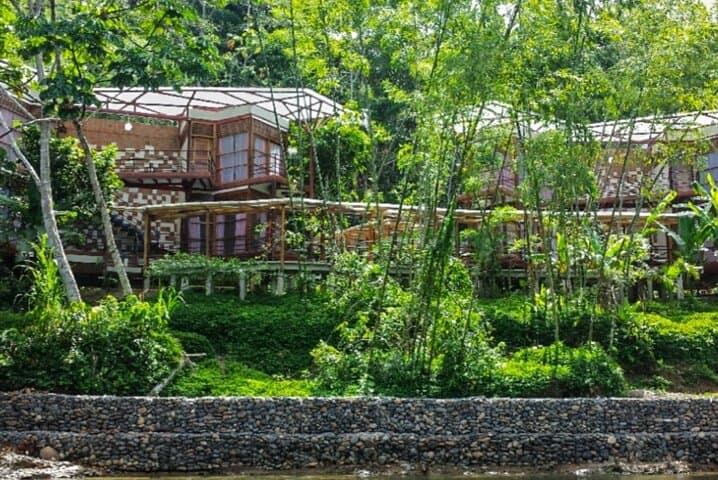
Mist lifts from the Arajuno River as motorized canoes cut a silver path through morning fog — you step onto a wooden dock and the rainforest inhales around you. The lodge’s open-air terraces give way to the sound of distant howler calls and the urgent chatter of birds; the river dares you to slow down and listen.
Mist lifts from the Arajuno River as motorized canoes cut a silver path through morning fog — you step onto a wooden dock and the rainforest inhales around you. The lodge’s open-air terraces give way to the sound of distant howler calls and the urgent chatter of birds; the river dares you to slow down and listen.
This corner of Ecuador’s Napo province sits where Andean runoff meets lowland Amazon basin soils, creating one of the most biodiverse mosaics on the planet. Indigenous Kichwa communities have lived here for generations, and their relationship with the forest shapes itineraries: cultural visits, artisan chocolate-making, and traditional dances are part of the narrative. Across the channel, Jatun Sacha’s research plots remind visitors that science and stewardship run hand in hand with tourism.
Expect daily rhythm rather than rigid schedules: dawn canoe rides to spotting clay licks, guided forest walks to find titis and toucans, and nighttime excursions where the jungle’s nocturnal cast takes center stage. Trails vary from packed riverbanks to muddy understory routes; the elevation change is minimal but humidity and heat intensify exertion.
Practical notes: bring insect protection, quick-dry layers, and a waterproof daypack; plan on modest internet access and simple, well-prepared meals. The lodge provides life jackets, bilingual naturalist guides, and transfers from Quito or Tena, but weather and river levels influence timing — flexibility pays. Whether you want wildlife photography or a cultural exchange, this multi-day stay trades city noise for an intimate, guided encounter with the Amazon’s living edge.