THE ADVENTURE COLLECTIVE® · Independent discovery and booking for outdoor travel

Seven days across Romania from Bucharest to the Carpathians: medieval citadels, Transfagarasan’s alpine panoramas, Saxon craft workshops and guided wildlife tracking. A practical, immersive week for travelers ready to mix culture and mountain wilderness.
Seven days across Romania from Bucharest to the Carpathians: medieval citadels, Transfagarasan’s alpine panoramas, Saxon craft workshops and guided wildlife tracking. A practical, immersive week for travelers ready to mix culture and mountain wilderness.
You arrive in Bucharest and the city’s layered character meets you at the airport — neoclassical facades standing beside post-war blocks, the air carrying a hint of roasted coffee and wood smoke. Over seven days you move from urban streets to mountain hairpins, climbing 1,480 stone steps up to Poenari Citadel, photographing the Transfagarasan’s vaulted curves, and listening for footfalls in spruce-dark forests where bears and wolves still roam.
Verified experiences and guided adventures in the surrounding area.
Operated by Rolandia · Bucharest, Bucharest
You arrive in Bucharest and the city’s layered character meets you at the airport — neoclassical facades standing beside post-war blocks, the air carrying a hint of roasted coffee and wood smoke. Over seven days you move from urban streets to mountain hairpins, climbing 1,480 stone steps up to Poenari Citadel, photographing the Transfagarasan’s vaulted curves, and listening for footfalls in spruce-dark forests where bears and wolves still roam.
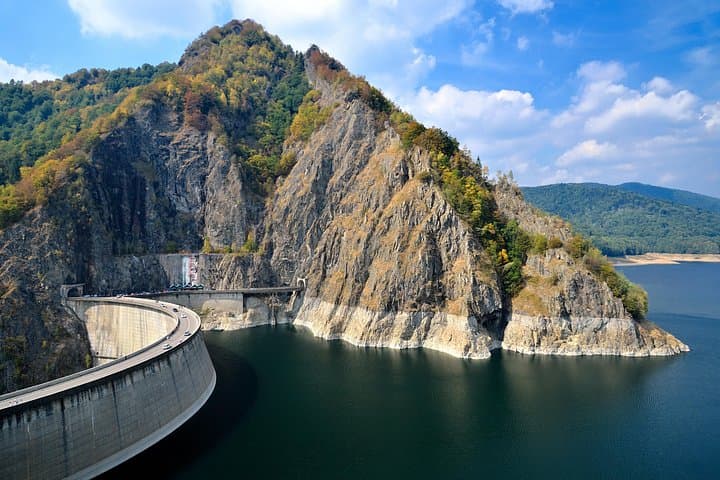
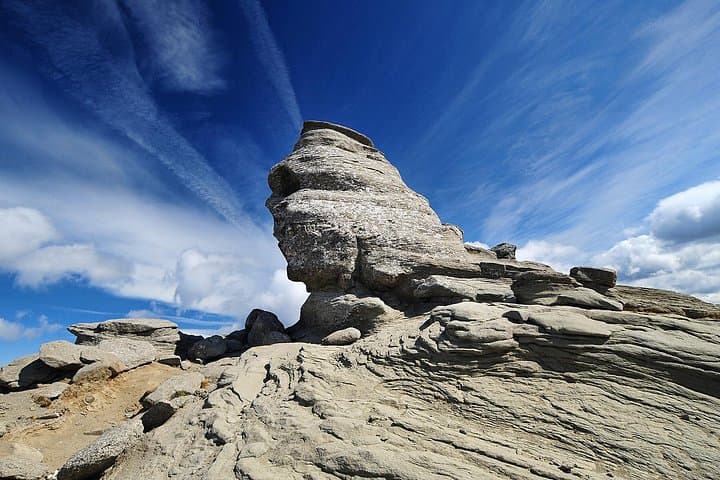
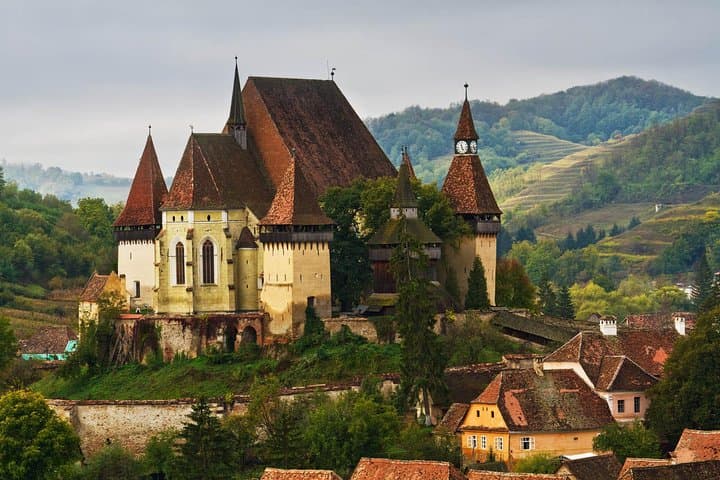
This route stitches together Romania’s history: Wallachian strongholds tied to Vlad the Impaler, Saxon villages with fortified churches like Biertan, and Hohenzollern elegance at Peleș Castle. Geology is visible at every turn — the Făgăraș and Bucegi spines of the Southern Carpathians lift abruptly from pastoral valleys, while Vidraru Dam marks human engineering confronting alpine waters.
Cultural moments are hands-on: bread-baking with Saxon families, ceramics in Saschiz, and wine cellars in Azuga. Wildlife tracking in the Carpathians is guided and seasonal; expect tracking instruction, quiet observation points, and the possibility of seeing brown bear, wolf, lynx, and chamois at distance.
Practical guidance: this is a moderately paced multi-day tour with hotel stays and vehicle transfers. Bring sturdy hiking shoes, layered clothing for rapid mountain weather changes, a daypack with water and snacks, and binoculars for wildlife. Plan for early starts on tracking days and comfortable footwear for cobbled medieval streets. Fitness: moderate—regular walkers will be comfortable. Respect private properties and follow guides’ instructions during wildlife sessions to minimize disturbance.
moderate.
7 days.
Moderately fit—comfortable walking, some uphill climbs and several half-day hikes; able to manage long vehicle transfers.
The tour is moderate: expect daily walking, a climb of 1,480 steps at Poenari, some half-day hikes and early mornings for wildlife tracking; a baseline of regular walking stamina is recommended.
Wildlife sightings aren’t guaranteed, but guided tracking in the Carpathians targets areas with frequent activity; binoculars and patience improve chances.
Six nights in centrally located boutique hotels and traditional guesthouses are included, with modern vehicle transfers between sites.
Children are allowed but must be accompanied by an adult; some activities (steep steps, long drives, wildlife sessions) may be challenging for very young kids.
The itinerary threads Wallachian strongholds, Saxon settlements and Hohenzollern-era royal sites—Sighisoara and Biertan preserve medieval Saxon urban and ecclesiastical structures.
Wildlife tracking follows strict guidelines to avoid habituating animals; visitors are asked to stay on marked paths and follow local rules to reduce impact.
Rolandia operates guided outdoor trips and adventures with an emphasis on safety, stewardship, and memorable experiences.
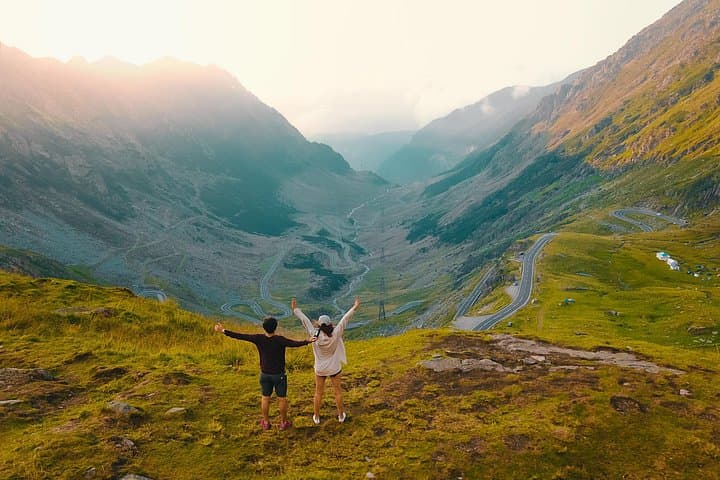
You arrive in Bucharest and the city’s layered character meets you at the airport — neoclassical facades standing beside post-war blocks, the air carrying a hint of roasted coffee and wood smoke. Over seven days you move from urban streets to mountain hairpins, climbing 1,480 stone steps up to Poenari Citadel, photographing the Transfagarasan’s vaulted curves, and listening for footfalls in spruce-dark forests where bears and wolves still roam.
You arrive in Bucharest and the city’s layered character meets you at the airport — neoclassical facades standing beside post-war blocks, the air carrying a hint of roasted coffee and wood smoke. Over seven days you move from urban streets to mountain hairpins, climbing 1,480 stone steps up to Poenari Citadel, photographing the Transfagarasan’s vaulted curves, and listening for footfalls in spruce-dark forests where bears and wolves still roam.
This route stitches together Romania’s history: Wallachian strongholds tied to Vlad the Impaler, Saxon villages with fortified churches like Biertan, and Hohenzollern elegance at Peleș Castle. Geology is visible at every turn — the Făgăraș and Bucegi spines of the Southern Carpathians lift abruptly from pastoral valleys, while Vidraru Dam marks human engineering confronting alpine waters.
Cultural moments are hands-on: bread-baking with Saxon families, ceramics in Saschiz, and wine cellars in Azuga. Wildlife tracking in the Carpathians is guided and seasonal; expect tracking instruction, quiet observation points, and the possibility of seeing brown bear, wolf, lynx, and chamois at distance.
Practical guidance: this is a moderately paced multi-day tour with hotel stays and vehicle transfers. Bring sturdy hiking shoes, layered clothing for rapid mountain weather changes, a daypack with water and snacks, and binoculars for wildlife. Plan for early starts on tracking days and comfortable footwear for cobbled medieval streets. Fitness: moderate—regular walkers will be comfortable. Respect private properties and follow guides’ instructions during wildlife sessions to minimize disturbance.