THE ADVENTURE COLLECTIVE® · Independent discovery and booking for outdoor travel

Trace six days of Silk Road history from Zhangye’s Danxia cliffs to Dunhuang’s Mogao Caves. This private tour combines dramatic geology, imperial frontier sites and desert dunes with included transport, guide services and 4-star hotels.
Trace six days of Silk Road history from Zhangye’s Danxia cliffs to Dunhuang’s Mogao Caves. This private tour combines dramatic geology, imperial frontier sites and desert dunes with included transport, guide services and 4-star hotels.
You step out of the air-conditioned van into a dry wind that seems to shape the landscape as deliberately as any mason. Ochre and rust bands on the Danxia cliffs glow in late afternoon; a distant dune field ripples like a frozen sea. Over six days this private circuit threads the western edge of the Ming Great Wall, the painted caves of Mogao, and ruined frontier towns that once serviced camel caravans.
Verified experiences and guided adventures in the surrounding area.
Operated by ToursbyChina · Dunhuang, Gansu
You step out of the air-conditioned van into a dry wind that seems to shape the landscape as deliberately as any mason. Ochre and rust bands on the Danxia cliffs glow in late afternoon; a distant dune field ripples like a frozen sea. Over six days this private circuit threads the western edge of the Ming Great Wall, the painted caves of Mogao, and ruined frontier towns that once serviced camel caravans.
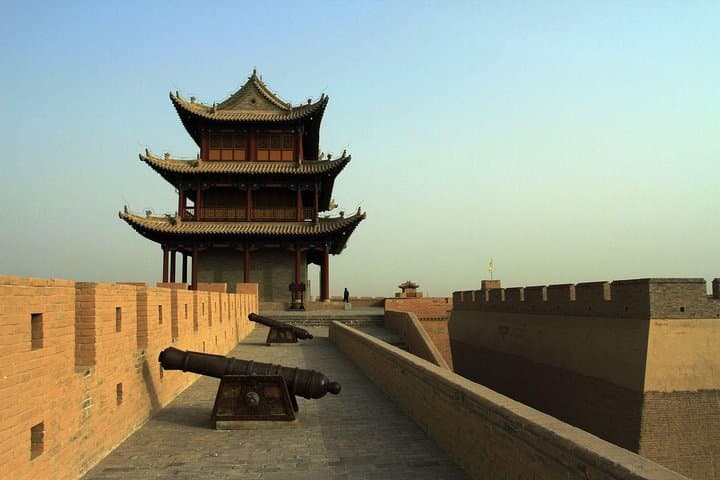
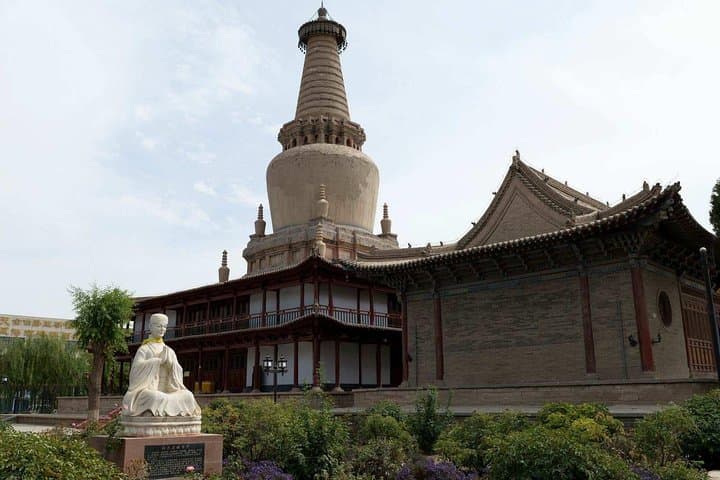
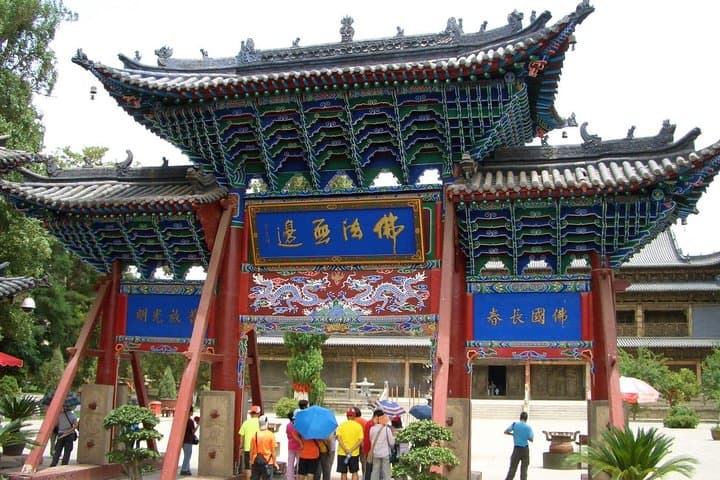
The Silk Road here is both route and record: Han and Ming defensive works, Tang-era grottoes and Buddhist murals, and the peculiar, colorful strata of Zhangye’s Danxia—sedimentary beds tilted by ancient uplift and then eroded into sculpted ridges. The Mogao and Yulin grottoes preserve murals and statuary that chart religious and commercial exchange for a millennium. Guazhou’s Suoyangcheng speaks to the stop‑over culture of traders; Jiayuguan marks imperial China’s western gate.
Expect long driving legs between sites (several hours on sealed highways), short walks at archaeological areas, and timed entries at major caves—guides typically handle permits and timing. Bring sun protection and layered clothing: desert days can be hot, nights cold and windy. Mornings are best for photography at Danxia; late afternoon softens dunes for camel rides and silhouettes the Crescent Moon Lake. Hotels on this itinerary are 4‑star, and most meals are included; local guides smooth logistics so you can focus on the terrain, the art, and the long lines of history that still seem to move across this landscape.
easy.
6 days.
Suitable for travelers in average fitness; daily activity is low-impact walking and short hikes with vehicle transfers between sites
Yes—this itinerary lists entrance fees for major sites (Danxia, Jiayuguan pass, Mogao and Yulin grottoes) as included.
Expect several hours of comfortable van transport between sites—typical legs range from 2–5 hours depending on the day’s itinerary.
Yes—camel rides at the Singing‑Sand Dunes are short and supervised; notify the operator if you have mobility issues or spinal concerns.
You must have a valid Chinese entry visa; local guides arrange timed tickets for caves but cannot substitute for travel documents or passport requirements.
This corridor flourished as a conduit for goods and ideas; sites here preserve layers from Han caravan forts to Ming frontier defenses and Silk Road Buddhist art.
Visitor numbers at fragile murals are managed by timed entries to limit light and humidity exposure; stick to paths to reduce erosion at dune edges.
ToursbyChina operates guided outdoor trips and adventures with an emphasis on safety, stewardship, and memorable experiences.

You step out of the air-conditioned van into a dry wind that seems to shape the landscape as deliberately as any mason. Ochre and rust bands on the Danxia cliffs glow in late afternoon; a distant dune field ripples like a frozen sea. Over six days this private circuit threads the western edge of the Ming Great Wall, the painted caves of Mogao, and ruined frontier towns that once serviced camel caravans.
You step out of the air-conditioned van into a dry wind that seems to shape the landscape as deliberately as any mason. Ochre and rust bands on the Danxia cliffs glow in late afternoon; a distant dune field ripples like a frozen sea. Over six days this private circuit threads the western edge of the Ming Great Wall, the painted caves of Mogao, and ruined frontier towns that once serviced camel caravans.
The Silk Road here is both route and record: Han and Ming defensive works, Tang-era grottoes and Buddhist murals, and the peculiar, colorful strata of Zhangye’s Danxia—sedimentary beds tilted by ancient uplift and then eroded into sculpted ridges. The Mogao and Yulin grottoes preserve murals and statuary that chart religious and commercial exchange for a millennium. Guazhou’s Suoyangcheng speaks to the stop‑over culture of traders; Jiayuguan marks imperial China’s western gate.
Expect long driving legs between sites (several hours on sealed highways), short walks at archaeological areas, and timed entries at major caves—guides typically handle permits and timing. Bring sun protection and layered clothing: desert days can be hot, nights cold and windy. Mornings are best for photography at Danxia; late afternoon softens dunes for camel rides and silhouettes the Crescent Moon Lake. Hotels on this itinerary are 4‑star, and most meals are included; local guides smooth logistics so you can focus on the terrain, the art, and the long lines of history that still seem to move across this landscape.