THE ADVENTURE COLLECTIVE® · Independent discovery and booking for outdoor travel

Spend a full day tracing Veneto’s wine map from Venice to Verona: family-run cellars, a guided walk through Verona’s historic core, and tastings of Soave, Valpolicella, Ripasso and Amarone. Practical travel details and tasting tips help you plan the day.
Spend a full day tracing Veneto’s wine map from Venice to Verona: family-run cellars, a guided walk through Verona’s historic core, and tastings of Soave, Valpolicella, Ripasso and Amarone. Practical travel details and tasting tips help you plan the day.
You step from the air-conditioned minibus into a patchwork of low, sunbaked vines; rows slope and bend with the hills, the grapes still clinging like small, stubborn lanterns. Morning fog lifts off the plains between Venice and Verona and the guide points out the first bottles to come: Soave’s pale, citrus-bright whites in one direction, the dense, raisined reds of Amarone in another.
Verified experiences and guided adventures in the surrounding area.
Operated by Italy Tours and More · Verona, Veneto
You step from the air-conditioned minibus into a patchwork of low, sunbaked vines; rows slope and bend with the hills, the grapes still clinging like small, stubborn lanterns. Morning fog lifts off the plains between Venice and Verona and the guide points out the first bottles to come: Soave’s pale, citrus-bright whites in one direction, the dense, raisined reds of Amarone in another.
The region’s story is geological and human: volcanic tuff and glacial deposits underlie the vineyards, giving Soave its mineral edge while Verona’s hills concentrate sugars for Amarone’s appassimento drying process. Wine families here archive techniques across generations—Garganega for Soave; Corvina, Rondinella and Molinara in the Valpolicella blend—shaping both table wine and historic Recioto dessert styles.
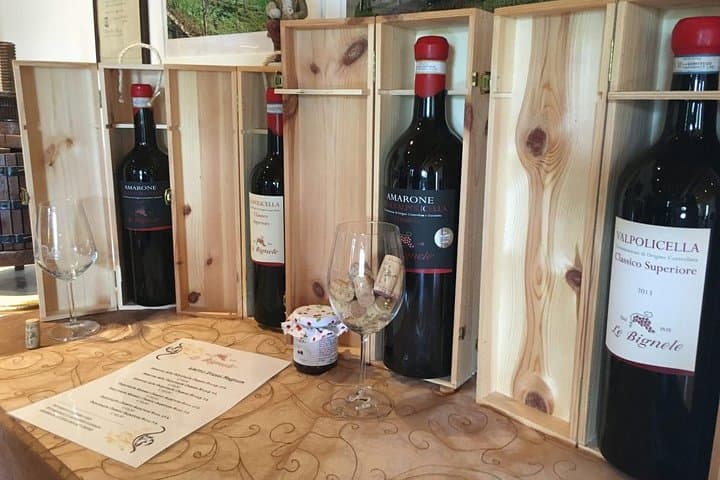
A guided walk through Verona’s Roman arena and medieval streets follows the cellar visits, so the day threads cultural architecture to terroir. Tastings typically include Valpolicella Classico, Ripasso, Amarone and Recioto, paired with salami and local cheeses; producers often sell bottles directly if you want to skip retail markups.
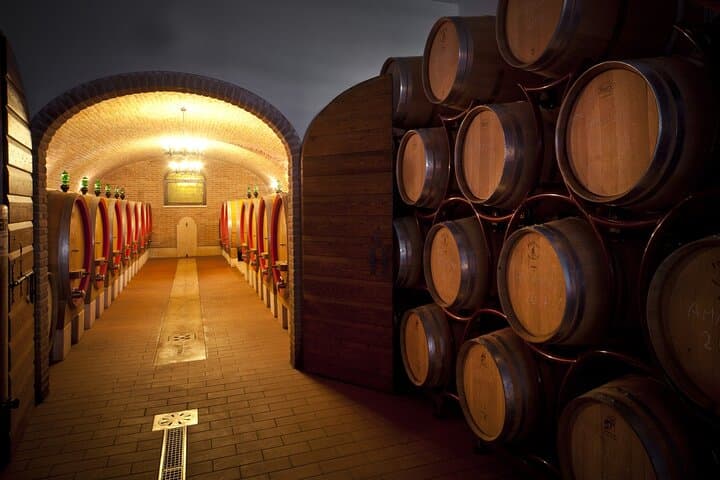
Practical edge: expect an 8-hour day with roughly 1–1.5 hours road travel each way from Venice; comfortable walking shoes are useful for cobbled streets and gravel vineyard rows. Bring a light jacket for cellar coolness, sip water between tastings, and set aside space in checked luggage for purchases. If you travel in harvest or winter pruning season, book early—producer schedules tighten. This is a measured day of wine, history and landscape, accessible to most travelers who can manage light walking and a full-day itinerary.
easy.
8 hours.
Suitable for most travelers in average physical condition; requires light walking on cobbles and gravel
The experience is about 8 hours total; expect roughly 1–1.5 hours driving each way from Venice depending on traffic.
Typical tastings include Soave (Garganega), Valpolicella Classico, Valpolicella Superiore Ripasso, Amarone and Recioto dessert wine.
Yes—tastings at family-run wineries and a light lunch of regional salami, cheese and pizza are included in the tour price.
The tour is not recommended for children and involves walking on uneven surfaces; travelers with spinal or significant mobility issues should avoid it.
Verona’s wine culture dates back to Roman times; the appassimento drying method used for Amarone evolved in the Valpolicella valleys to concentrate grapes for richer wines.
Many producers now follow sustainable or organic practices to protect soil health; visitors should stick to paths and avoid disturbing vines or drying grape racks.
Italy Tours and More operates guided outdoor trips and adventures with an emphasis on safety, stewardship, and memorable experiences.
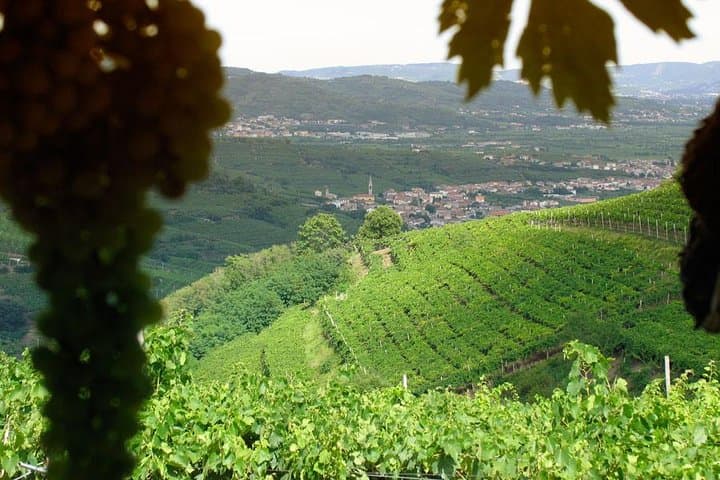
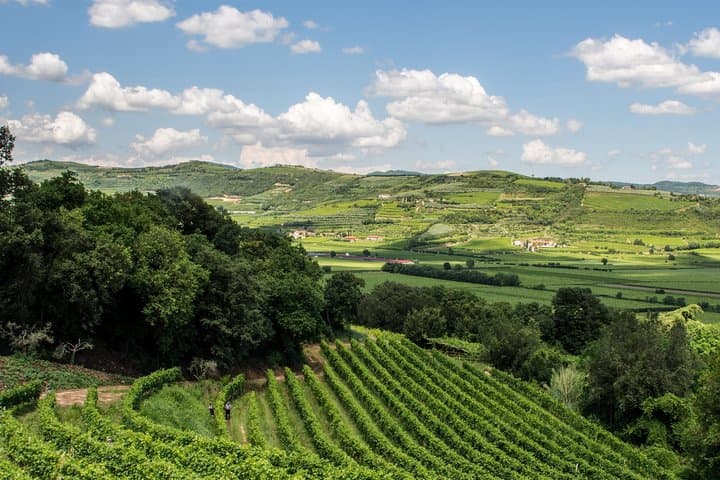
You step from the air-conditioned minibus into a patchwork of low, sunbaked vines; rows slope and bend with the hills, the grapes still clinging like small, stubborn lanterns. Morning fog lifts off the plains between Venice and Verona and the guide points out the first bottles to come: Soave’s pale, citrus-bright whites in one direction, the dense, raisined reds of Amarone in another.
You step from the air-conditioned minibus into a patchwork of low, sunbaked vines; rows slope and bend with the hills, the grapes still clinging like small, stubborn lanterns. Morning fog lifts off the plains between Venice and Verona and the guide points out the first bottles to come: Soave’s pale, citrus-bright whites in one direction, the dense, raisined reds of Amarone in another.
The region’s story is geological and human: volcanic tuff and glacial deposits underlie the vineyards, giving Soave its mineral edge while Verona’s hills concentrate sugars for Amarone’s appassimento drying process. Wine families here archive techniques across generations—Garganega for Soave; Corvina, Rondinella and Molinara in the Valpolicella blend—shaping both table wine and historic Recioto dessert styles.
A guided walk through Verona’s Roman arena and medieval streets follows the cellar visits, so the day threads cultural architecture to terroir. Tastings typically include Valpolicella Classico, Ripasso, Amarone and Recioto, paired with salami and local cheeses; producers often sell bottles directly if you want to skip retail markups.
Practical edge: expect an 8-hour day with roughly 1–1.5 hours road travel each way from Venice; comfortable walking shoes are useful for cobbled streets and gravel vineyard rows. Bring a light jacket for cellar coolness, sip water between tastings, and set aside space in checked luggage for purchases. If you travel in harvest or winter pruning season, book early—producer schedules tighten. This is a measured day of wine, history and landscape, accessible to most travelers who can manage light walking and a full-day itinerary.