THE ADVENTURE COLLECTIVE® · Independent discovery and booking for outdoor travel

A compact day trip from Osaka that stitches together coastal boathouses, a famed pine‑lined sandbar and a preserved thatched village. Expect flat walks, optional boat and cable‑car rides, and a steady dose of traditional Japanese coastal and mountain culture.
A compact day trip from Osaka that stitches together coastal boathouses, a famed pine‑lined sandbar and a preserved thatched village. Expect flat walks, optional boat and cable‑car rides, and a steady dose of traditional Japanese coastal and mountain culture.
Book with Trevopedia Wonders
Book directly with Trevopedia Wonders for the best rates and real-time scheduling.
Reserve NowVerified experiences and guided adventures in the surrounding area.
Operated by Trevopedia Wonders · Miyazu, Kyoto Prefecture
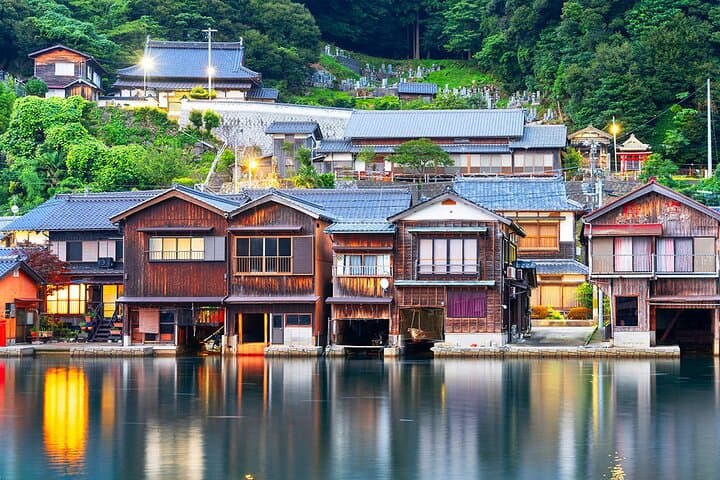
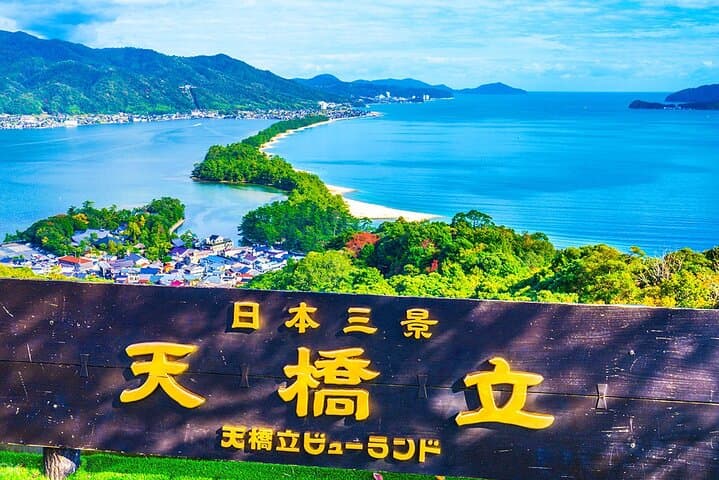
You arrive before dawn in Osaka and the group sets out along the highway toward the northern coastline of Kyoto Prefecture. By midmorning the sea opens up: rows of low wooden boathouses hover over Ine Bay, their faces catching the light while fishing skiffs slip between pilings. Later, a narrow pine‑lined sandbar rises from the water like a green spine—Amanohashidate—offering a walkable ribbon of sea, shrine gates and view parks.
easy.
8–9 hours.
Suitable for most fitness levels; expect several short walks up to 30–40 minutes and standing during boat or cable car rides.
Yes—cable car/monorail tickets to View Land are not included and are paid on site (around ¥1,000); the tour provides time to take the ride if you choose.
No—sightseeing cruises or sea taxis in Ine require separate fees paid locally; there are shorter photo cruises and longer options depending on availability.
The tour notes wheelchair and stroller accessibility for transport, but some village streets and viewpoints have uneven surfaces—check with the operator about specific mobility needs.
One small piece of luggage is typically permitted per guest when noted in advance; inform the operator in the special requests when booking to avoid issues.
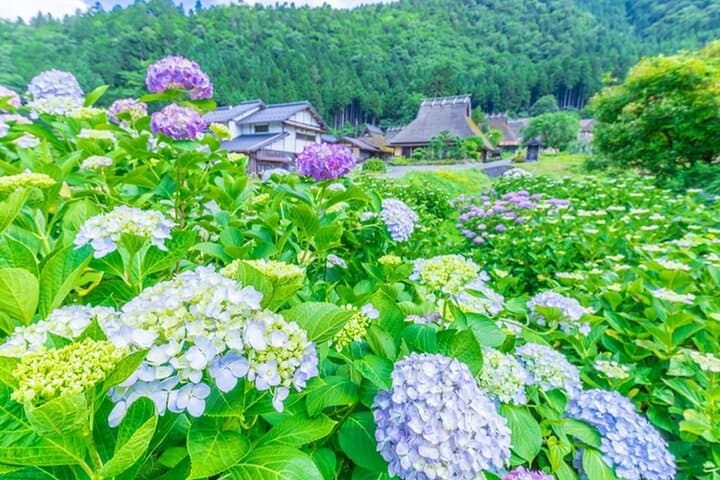
Ine’s funaya evolved from practical boat‑centric architecture of the Edo period, while Amanohashidate has been praised as one of Japan’s three scenic views since medieval times; Miyama’s kayabuki roofs reflect communal thatching traditions preserved for centuries.
Local communities actively maintain thatch roofs and control visitor impact; stick to marked paths and avoid stepping into agricultural plots to protect fragile reed and coastal ecosystems.
Trevopedia Wonders operates guided outdoor trips and adventures with an emphasis on safety, stewardship, and memorable experiences.
Book with Trevopedia Wonders
Book directly with Trevopedia Wonders for the best rates and real-time scheduling.
Reserve Now