THE ADVENTURE COLLECTIVE® · Independent discovery and booking for outdoor travel

Walk or cycle the famous 3.6 km Amanohashidate sandbar, visit Chionji Temple, and explore Ine’s over-water boathouses on a full-day coastal tour from Kyoto or Osaka. Expect scenic viewpoints, fresh seafood, and easy walking with optional cable-car access.
Walk or cycle the famous 3.6 km Amanohashidate sandbar, visit Chionji Temple, and explore Ine’s over-water boathouses on a full-day coastal tour from Kyoto or Osaka. Expect scenic viewpoints, fresh seafood, and easy walking with optional cable-car access.
Amanohashidate appears in the morning light like a narrow bridge cut through the bay — a 3.6-kilometer sandbar crowned with over 8,000 pines that dares you to cross it on foot or by bike. The sea on either side pushes and hushes, and from the hilltop viewpoints the strip looks impossibly thin, an earthly causeway between two waters.
Verified experiences and guided adventures in the surrounding area.
Operated by TrevoTour Travels · Miyazu, Kyoto Prefecture
Amanohashidate appears in the morning light like a narrow bridge cut through the bay — a 3.6-kilometer sandbar crowned with over 8,000 pines that dares you to cross it on foot or by bike. The sea on either side pushes and hushes, and from the hilltop viewpoints the strip looks impossibly thin, an earthly causeway between two waters.
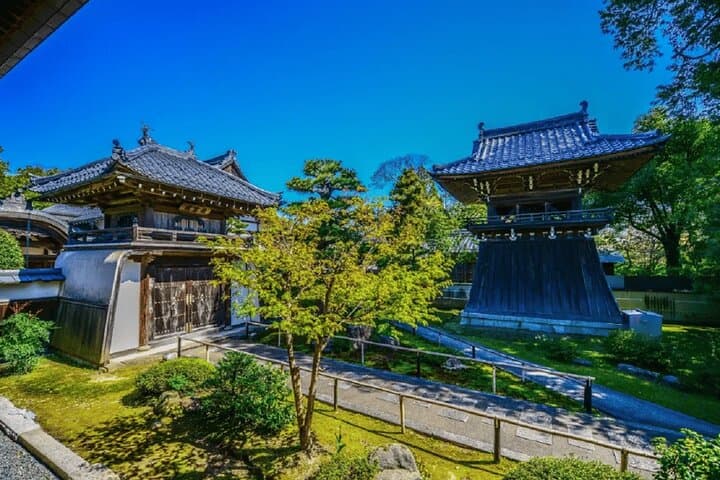
Geologically, Amanohashidate is a classic sandbar formed by longshore drift and sediment deposition; locals planted pines centuries ago to stabilize the shifting sand. The stop at Chionji Temple, at the sandbar’s southern end, brings a human counterpoint: a quiet, wood-built shrine where students still hang ema plaques praying to Monju Bosatsu for wisdom.
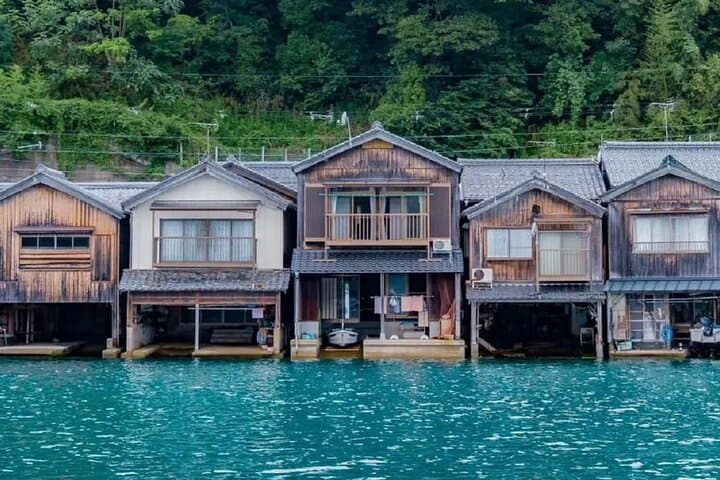
The tour moves on to Ine Funaya, a coastal village of wooden boathouses built over the water. The funaya are both garage and home — a living reminder of fishing culture that has shaped this coastline for generations. Expect narrow lanes, low stone walls, and the smell of sea and fish smoke.
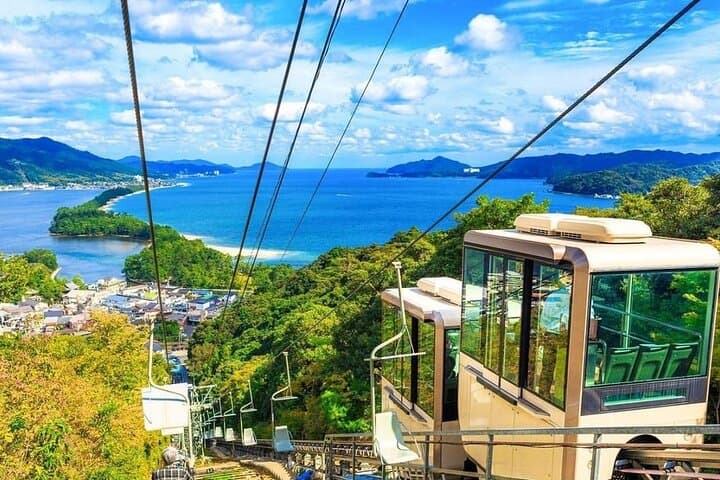
Practical notes: walking or cycling the sandbar takes under two hours; a one-way cable car or monorail to the viewpoint costs about ¥850 and is optional. Bring cash for lunch and rentals; seafood is fresh but seasonally variable. The tour runs roughly 9–10 hours including transport, and is suitable for most fitness levels. Respect private property in Ine, watch for tidal shifts along the shoreline, and time your visit for softer light at sunrise or late afternoon for the best views.
easy.
9–10 hours.
Suitable for most fitness levels; involves moderate walking (up to 2 hours) or optional cycling along flat terrain.
The sandbar is about 3.6 km one-way; a round-trip walk or casual bike ride typically takes 60–120 minutes depending on stops.
No, the cable car/monorail is optional and costs roughly ¥850; tickets are purchased on-site.
Bicycle rentals are available near Amanohashidate but are not included in the tour price; Ine has limited rental options and shorter riding zones.
The tour notes indicate wheelchair and stroller accessibility for transportation and many flat areas, but some traditional sites in Ine have steps and uneven surfaces.
Amanohashidate formed through centuries of sediment transport and was stabilized by centuries of pine planting; Ine’s funaya reflect a fishing lifestyle that dates back generations.
Stay on designated paths, avoid disturbing beach vegetation, and follow local guidance to protect intertidal habitats and private properties.
TrevoTour Travels operates guided outdoor trips and adventures with an emphasis on safety, stewardship, and memorable experiences.
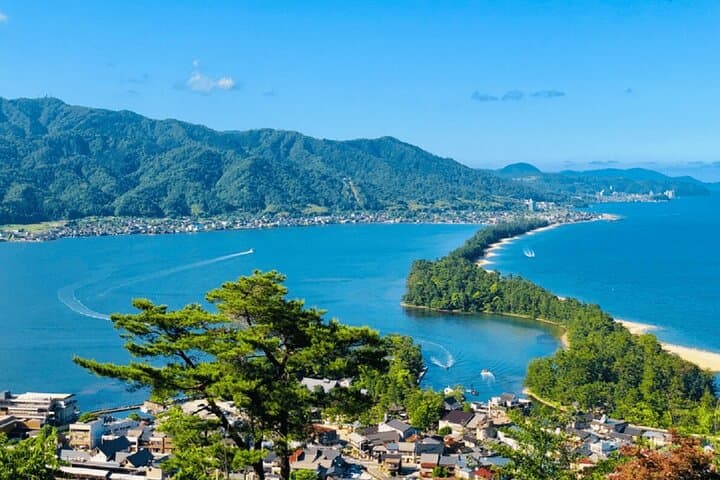
Amanohashidate appears in the morning light like a narrow bridge cut through the bay — a 3.6-kilometer sandbar crowned with over 8,000 pines that dares you to cross it on foot or by bike. The sea on either side pushes and hushes, and from the hilltop viewpoints the strip looks impossibly thin, an earthly causeway between two waters.
Amanohashidate appears in the morning light like a narrow bridge cut through the bay — a 3.6-kilometer sandbar crowned with over 8,000 pines that dares you to cross it on foot or by bike. The sea on either side pushes and hushes, and from the hilltop viewpoints the strip looks impossibly thin, an earthly causeway between two waters.
Geologically, Amanohashidate is a classic sandbar formed by longshore drift and sediment deposition; locals planted pines centuries ago to stabilize the shifting sand. The stop at Chionji Temple, at the sandbar’s southern end, brings a human counterpoint: a quiet, wood-built shrine where students still hang ema plaques praying to Monju Bosatsu for wisdom.
The tour moves on to Ine Funaya, a coastal village of wooden boathouses built over the water. The funaya are both garage and home — a living reminder of fishing culture that has shaped this coastline for generations. Expect narrow lanes, low stone walls, and the smell of sea and fish smoke.
Practical notes: walking or cycling the sandbar takes under two hours; a one-way cable car or monorail to the viewpoint costs about ¥850 and is optional. Bring cash for lunch and rentals; seafood is fresh but seasonally variable. The tour runs roughly 9–10 hours including transport, and is suitable for most fitness levels. Respect private property in Ine, watch for tidal shifts along the shoreline, and time your visit for softer light at sunrise or late afternoon for the best views.