THE ADVENTURE COLLECTIVE® · Independent discovery and booking for outdoor travel

Travel from Osaka to Miyazu Bay for a full-day tour that pairs Amanohashidate’s famous pine‑lined sandbar with a boat cruise through Ine’s historic funaya. Expect gentle walks, a cable‑car viewpoint, and intimate waterfront village scenes.
Travel from Osaka to Miyazu Bay for a full-day tour that pairs Amanohashidate’s famous pine‑lined sandbar with a boat cruise through Ine’s historic funaya. Expect gentle walks, a cable‑car viewpoint, and intimate waterfront village scenes.
Salt air and pine resin meet the bus windows as the highway unwinds toward Miyazu Bay, and by midmorning you step onto a long, low spine of sand and trees that seems to stretch toward the sky. Amanohashidate’s 3.6-kilometre sandbar — between 20 and 170 metres wide — runs like a natural pier across the sea; the cable car climbs gently to an observation terrace where the classic trick of viewing the sandbar upside down with your legs makes the land look airborne.
Verified experiences and guided adventures in the surrounding area.
Operated by Trevopedia Wonders · Miyazu, Kyoto Prefecture
Salt air and pine resin meet the bus windows as the highway unwinds toward Miyazu Bay, and by midmorning you step onto a long, low spine of sand and trees that seems to stretch toward the sky. Amanohashidate’s 3.6-kilometre sandbar — between 20 and 170 metres wide — runs like a natural pier across the sea; the cable car climbs gently to an observation terrace where the classic trick of viewing the sandbar upside down with your legs makes the land look airborne.
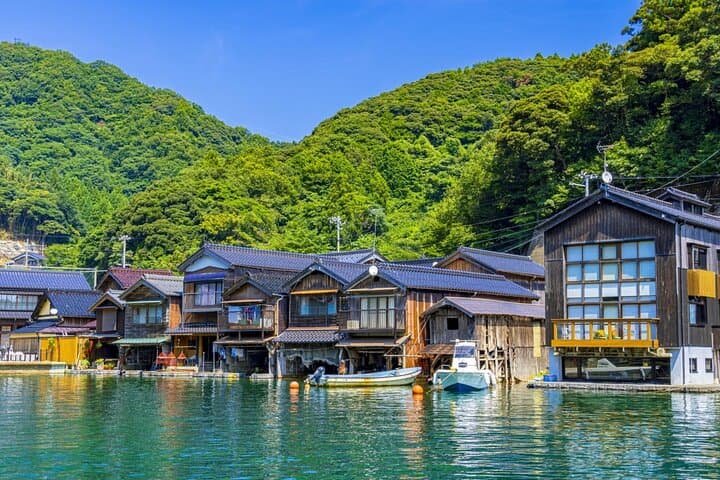
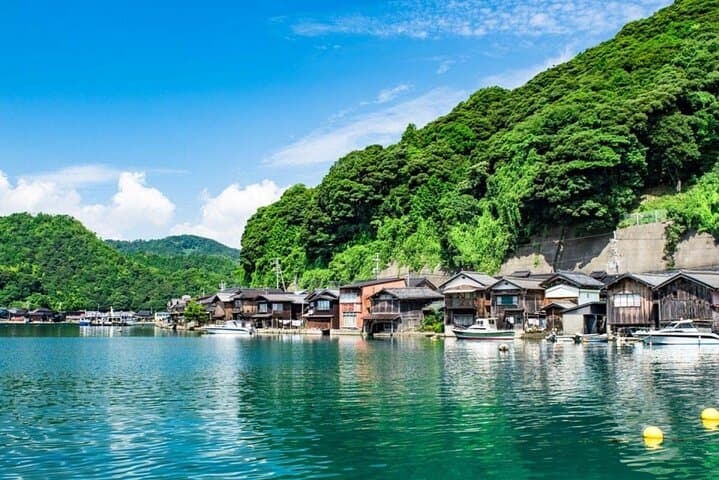
The place is simple geography and layered history: glacial-era sediments and coastal currents created the bar, and centuries of local devotion made temples like Chionji a quiet counterpoint to the shore. A rotating bridge at the sandbar’s mouth still spins for small boats, a mechanical wink at a landscape that blends human use and tidal movement. An afternoon boat in nearby Ine visits funaya — two-storey boathouses where the lower level houses boats and the upper level is lived in — a living snapshot of Edo-to-Meiji coastal life and working fishing culture.
Practical notes: this is a long day (roughly 9–11 hours round trip from Osaka). Expect easy walking across sand and boardwalks, short stair climbs at observation points, and a calm sightseeing cruise in Ine Bay. Bring water, a light rain layer, and cash for small shops and temple donations. Summer offers beach swimming; spring and autumn are best for clearer views and cooler walking. Respect narrow village streets, keep noise low on boats, and follow local guidance when boarding — the tour balances comfort with plenty of scenic time to explore both shoreline and village life.
easy.
9–11 hours.
Suitable for most fitness levels; involves easy walking on sand, short stair climbs at viewpoints, and getting on/off a small sightseeing boat.
The tour runs about 9–11 hours round trip (540–660 minutes) including transfers, sightseeing, and boat time.
The sightseeing boat has limited accessibility and may not be suitable for wheelchairs; check with the operator before booking.
Yes, in summer there are swimming areas on the sandy shore, but currents and conditions vary — follow local signage and lifeguard guidance where provided.
The tour typically includes admission if selected; during busy seasons or bad weather capacity may be limited, so booking in advance is recommended.
Amanohashidate is celebrated as one of Japan’s “Three Views,” while Ine’s funaya are centuries‑old boathouses reflecting a fishing village lifestyle dating to the Edo and Meiji periods.
The sandbar’s pine grove and coastal waters are sensitive to erosion and human impact; stick to established paths, avoid littering, and support local businesses that practice sustainable fishing.
Trevopedia Wonders operates guided outdoor trips and adventures with an emphasis on safety, stewardship, and memorable experiences.
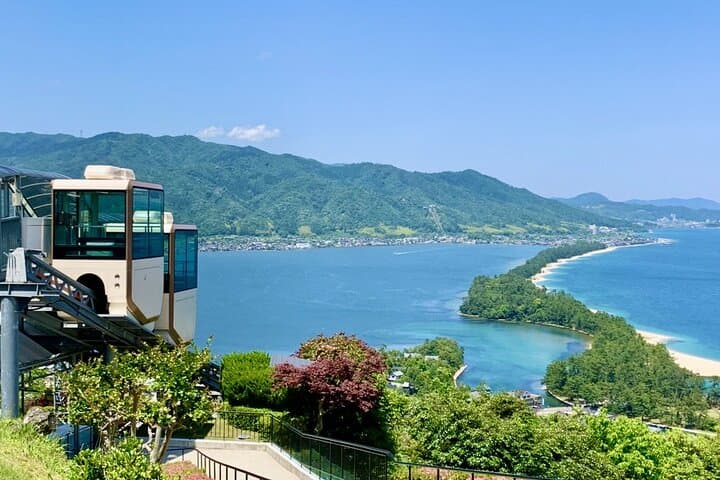
Salt air and pine resin meet the bus windows as the highway unwinds toward Miyazu Bay, and by midmorning you step onto a long, low spine of sand and trees that seems to stretch toward the sky. Amanohashidate’s 3.6-kilometre sandbar — between 20 and 170 metres wide — runs like a natural pier across the sea; the cable car climbs gently to an observation terrace where the classic trick of viewing the sandbar upside down with your legs makes the land look airborne.
Salt air and pine resin meet the bus windows as the highway unwinds toward Miyazu Bay, and by midmorning you step onto a long, low spine of sand and trees that seems to stretch toward the sky. Amanohashidate’s 3.6-kilometre sandbar — between 20 and 170 metres wide — runs like a natural pier across the sea; the cable car climbs gently to an observation terrace where the classic trick of viewing the sandbar upside down with your legs makes the land look airborne.
The place is simple geography and layered history: glacial-era sediments and coastal currents created the bar, and centuries of local devotion made temples like Chionji a quiet counterpoint to the shore. A rotating bridge at the sandbar’s mouth still spins for small boats, a mechanical wink at a landscape that blends human use and tidal movement. An afternoon boat in nearby Ine visits funaya — two-storey boathouses where the lower level houses boats and the upper level is lived in — a living snapshot of Edo-to-Meiji coastal life and working fishing culture.
Practical notes: this is a long day (roughly 9–11 hours round trip from Osaka). Expect easy walking across sand and boardwalks, short stair climbs at observation points, and a calm sightseeing cruise in Ine Bay. Bring water, a light rain layer, and cash for small shops and temple donations. Summer offers beach swimming; spring and autumn are best for clearer views and cooler walking. Respect narrow village streets, keep noise low on boats, and follow local guidance when boarding — the tour balances comfort with plenty of scenic time to explore both shoreline and village life.