THE ADVENTURE COLLECTIVE® · Independent discovery and booking for outdoor travel

Spend two days in Amani Nature Reserve exploring ancient montane forest and concentrated birdlife. This overnight escape pairs early‑morning birding with guided walks through endemic‑rich habitat in the East Usambaras.
Spend two days in Amani Nature Reserve exploring ancient montane forest and concentrated birdlife. This overnight escape pairs early‑morning birding with guided walks through endemic‑rich habitat in the East Usambaras.
Dawn in Amani arrives cool and green: mist lifts from steep ridges and the forest breathes out a chorus of birds. On a two‑day, one‑night stay you move through a living, layered landscape—shaded trails that open onto mossy gullies and sunlit clearings where endemic flowers push through leaf litter.
Verified experiences and guided adventures in the surrounding area.
Operated by Livan Cultural Tourism Enterprise-Tanzania · Lushoto, Tanga Region
Dawn in Amani arrives cool and green: mist lifts from steep ridges and the forest breathes out a chorus of birds. On a two‑day, one‑night stay you move through a living, layered landscape—shaded trails that open onto mossy gullies and sunlit clearings where endemic flowers push through leaf litter.
Geology here is old; the East Usambara Mountains are part of the Eastern Arc, a chain of ancient crystalline hills that have held stable climates for millennia. That stability produced extraordinary endemism—over a quarter of the 3,450 recorded vascular plants are endemic. Cultural threads run close too: local communities have long used montane forests for medicines and beekeeping, and you’ll often pass villages where Swahili and local languages mix.
Expect guided forest walks focused on birding and plant life, with time to visit the Amani Research Centre and botanical tracts. Guides point out rarities like the Usambara eagle‑owl and specialized understorey frogs; streams run with cool clarity and occasionally dare you to linger at a mossy bank. Nights are spent in basic forest lodgings or a reserve camp with simple meals included.
Practical guidance: pack waterproof layers and sturdy hiking shoes for uneven, often muddy trails; mornings are best for bird activity so plan early starts. Bring binoculars, a headlamp, and insect repellent—rain is frequent during the long rains (Mar–May) and paths can be slick. Respect trail closures and stay on paths to protect fragile endemic plants. This short overnight trip is ideal for travelers wanting concentrated wildlife viewing without extended trekking.
easy.
2 days (1 night).
Suitable for most fitness levels; expect uneven, sometimes muddy forest trails with short elevation changes.
Guided walks typically range from 2–5 hours depending on group pace and focus (birding, plants, or research center visits).
Entry fees and conservation levies are collected locally—these are usually included in organized tour pricing but confirm with your operator.
Absolutely—guides are used to mixed‑ability groups and the itinerary suits both novice and experienced birders.
The East Usambara forests are part of the ancient Eastern Arc Mountains, a refugium that preserved species through climatic shifts and supported local agricultural and medicinal traditions.
Conservation focuses on protecting endemic species and reducing deforestation; visitors are asked to minimize impact by staying on trails and supporting local guides.
Livan Cultural Tourism Enterprise-Tanzania operates guided outdoor trips and adventures with an emphasis on safety, stewardship, and memorable experiences.
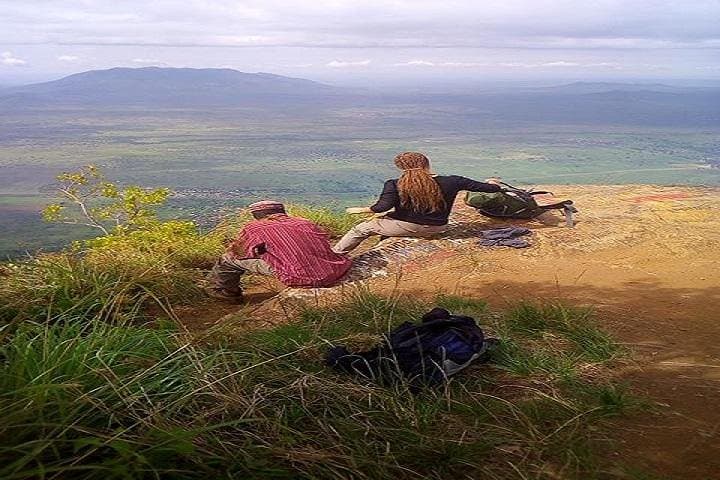
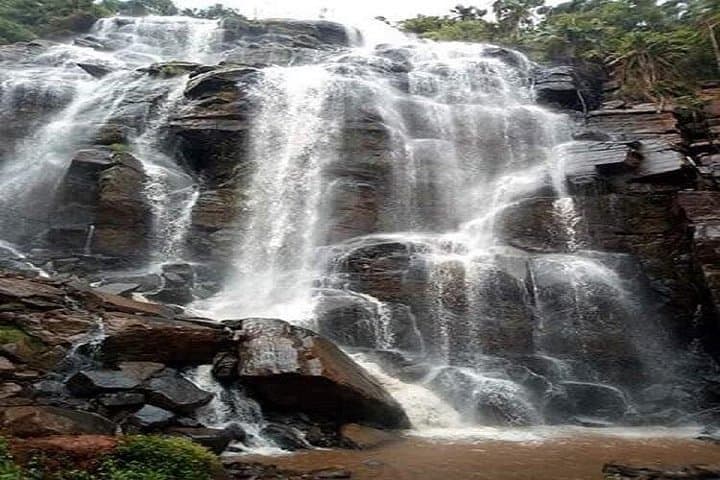

Dawn in Amani arrives cool and green: mist lifts from steep ridges and the forest breathes out a chorus of birds. On a two‑day, one‑night stay you move through a living, layered landscape—shaded trails that open onto mossy gullies and sunlit clearings where endemic flowers push through leaf litter.
Dawn in Amani arrives cool and green: mist lifts from steep ridges and the forest breathes out a chorus of birds. On a two‑day, one‑night stay you move through a living, layered landscape—shaded trails that open onto mossy gullies and sunlit clearings where endemic flowers push through leaf litter.
Geology here is old; the East Usambara Mountains are part of the Eastern Arc, a chain of ancient crystalline hills that have held stable climates for millennia. That stability produced extraordinary endemism—over a quarter of the 3,450 recorded vascular plants are endemic. Cultural threads run close too: local communities have long used montane forests for medicines and beekeeping, and you’ll often pass villages where Swahili and local languages mix.
Expect guided forest walks focused on birding and plant life, with time to visit the Amani Research Centre and botanical tracts. Guides point out rarities like the Usambara eagle‑owl and specialized understorey frogs; streams run with cool clarity and occasionally dare you to linger at a mossy bank. Nights are spent in basic forest lodgings or a reserve camp with simple meals included.
Practical guidance: pack waterproof layers and sturdy hiking shoes for uneven, often muddy trails; mornings are best for bird activity so plan early starts. Bring binoculars, a headlamp, and insect repellent—rain is frequent during the long rains (Mar–May) and paths can be slick. Respect trail closures and stay on paths to protect fragile endemic plants. This short overnight trip is ideal for travelers wanting concentrated wildlife viewing without extended trekking.