THE ADVENTURE COLLECTIVE® · Independent discovery and booking for outdoor travel

Walk Amalfi’s cobbled lanes from the cathedral to a cliffside watchtower on a compact, two-hour tour that mixes sacred art, medieval history and panoramic coastal views. Ideal for families and curious travelers who want culture plus a short uphill hike.
Walk Amalfi’s cobbled lanes from the cathedral to a cliffside watchtower on a compact, two-hour tour that mixes sacred art, medieval history and panoramic coastal views. Ideal for families and curious travelers who want culture plus a short uphill hike.
You step off the marina into Amalfi’s sun-warmed piazza and the town immediately rearranges itself around you: narrow alleys rise like folded maps, the cathedral’s striped façade catching light, and the Tyrrhenian Sea keeps time against the harbor.
Verified experiences and guided adventures in the surrounding area.
Operated by Opatrip.com Italy · Amalfi, Campania
You step off the marina into Amalfi’s sun-warmed piazza and the town immediately rearranges itself around you: narrow alleys rise like folded maps, the cathedral’s striped façade catching light, and the Tyrrhenian Sea keeps time against the harbor.
This two-hour discovery walk moves from the cathedral’s layered architecture—Byzantine mosaics, Norman campanile and Baroque interiors—into the Diocesan Museum, where vestments and manuscripts sketch the town’s role as a medieval maritime power. The Chiostro del Paradiso, a 13th-century cloister with Moorish arches and quiet gardens, offers a moment of cool shade. Finish with a steady uphill walk to Torre dello Ziro, an ancient watchtower poised above Amalfi; its cliffside perch reveals the Gulf of Salerno and carries local legends of watchful sentinels and star-crossed lovers.
Geology here is as obvious as the cliffs: layered limestone falls into marine terraces, and the town’s stairways were carved to follow those contours. Culturally, Amalfi is a compact mix of Catholic ritual, seafaring heritage and citrus agriculture—look for lemon groves on the slopes as you climb.
Practical guidance: wear grippy shoes for cobbles and steps, bring water and sun protection, and allow time for brief pauses at viewpoints and museum displays. The route is family-friendly but uneven; moving slowly rewards you with details often missed on busier itineraries. Bookings are instant and private guides keep the pace adaptable—ideal for travelers who want history and a short, scenic hike in one outing.
easy.
2 hours.
Lightly active: able to walk on uneven cobbles and climb stairs at a relaxed pace.
The tour is about two hours and rated easy—there are cobbled streets and a steady uphill section to Torre dello Ziro but no technical climbing.
Admissions to some sites are not included; check with the operator or bring cash/cards for optional entries.
Yes—it's family-friendly and private guides adjust pace, though participants should be comfortable with stairs.
Amalfi is accessible by regional buses, ferry from nearby ports, or car; the town center and cathedral are the common meeting locations.
Amalfi was one of Italy’s maritime republics in the Middle Ages; the cathedral complex and cloister grew as the town prospered from Mediterranean trade.
High foot traffic erodes old stone steps and fragile gardens—stay on marked paths, respect church interiors, and support local businesses to keep tourism sustainable.
Opatrip.com Italy operates guided outdoor trips and adventures with an emphasis on safety, stewardship, and memorable experiences.
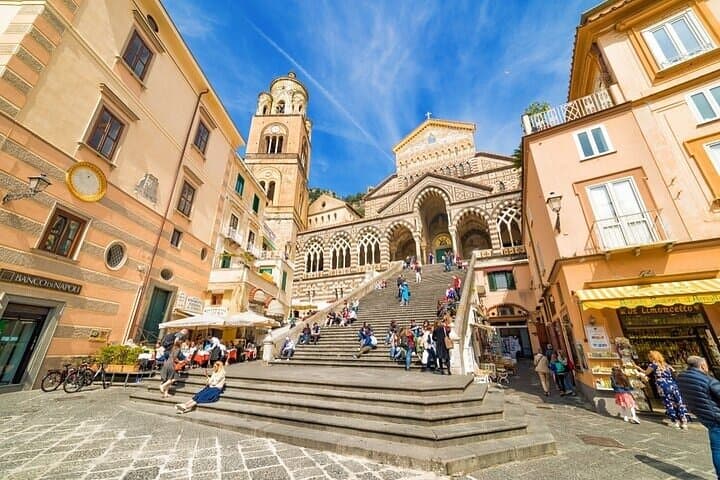
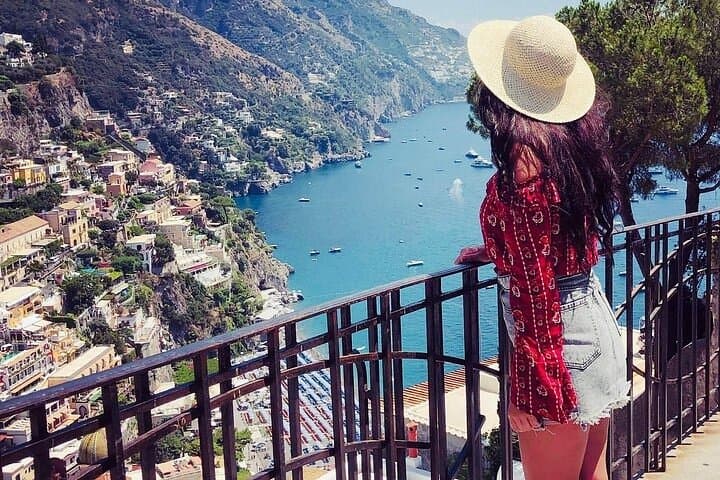
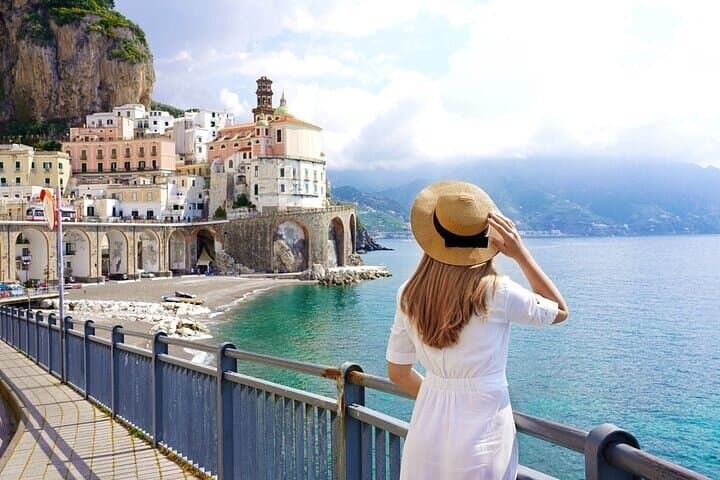
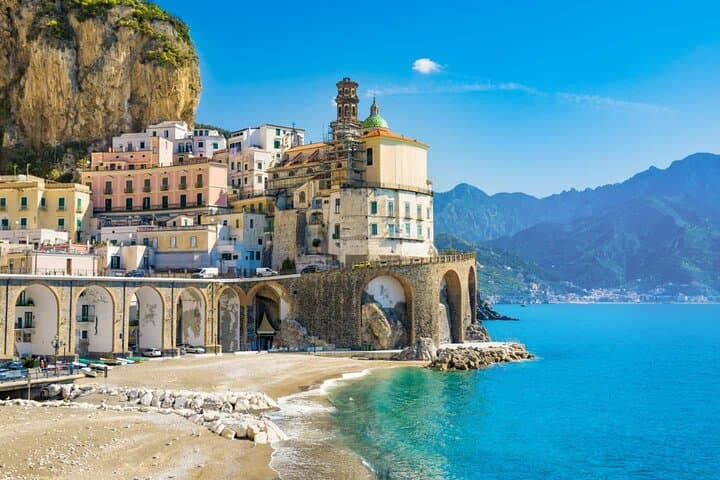
You step off the marina into Amalfi’s sun-warmed piazza and the town immediately rearranges itself around you: narrow alleys rise like folded maps, the cathedral’s striped façade catching light, and the Tyrrhenian Sea keeps time against the harbor.
You step off the marina into Amalfi’s sun-warmed piazza and the town immediately rearranges itself around you: narrow alleys rise like folded maps, the cathedral’s striped façade catching light, and the Tyrrhenian Sea keeps time against the harbor.
This two-hour discovery walk moves from the cathedral’s layered architecture—Byzantine mosaics, Norman campanile and Baroque interiors—into the Diocesan Museum, where vestments and manuscripts sketch the town’s role as a medieval maritime power. The Chiostro del Paradiso, a 13th-century cloister with Moorish arches and quiet gardens, offers a moment of cool shade. Finish with a steady uphill walk to Torre dello Ziro, an ancient watchtower poised above Amalfi; its cliffside perch reveals the Gulf of Salerno and carries local legends of watchful sentinels and star-crossed lovers.
Geology here is as obvious as the cliffs: layered limestone falls into marine terraces, and the town’s stairways were carved to follow those contours. Culturally, Amalfi is a compact mix of Catholic ritual, seafaring heritage and citrus agriculture—look for lemon groves on the slopes as you climb.
Practical guidance: wear grippy shoes for cobbles and steps, bring water and sun protection, and allow time for brief pauses at viewpoints and museum displays. The route is family-friendly but uneven; moving slowly rewards you with details often missed on busier itineraries. Bookings are instant and private guides keep the pace adaptable—ideal for travelers who want history and a short, scenic hike in one outing.