THE ADVENTURE COLLECTIVE® · Independent discovery and booking for outdoor travel

Walk beneath century-old lemon trees on the Amalfi Coast, taste fresh lemonade and limoncello, and learn the family techniques behind the Sfusato Amalfitano. This short, accessible tour mixes agricultural history with coastal views and hands-on tastings.
Walk beneath century-old lemon trees on the Amalfi Coast, taste fresh lemonade and limoncello, and learn the family techniques behind the Sfusato Amalfitano. This short, accessible tour mixes agricultural history with coastal views and hands-on tastings.
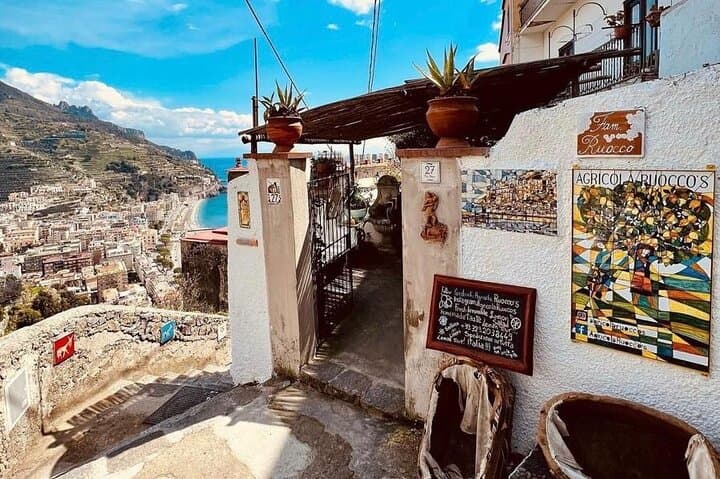
A warm breeze carries the scent of citrus as the group assembles at Lemon Point, a sunlit clearing along the Amalfi Coast’s Lemon Trail. Travelers sip fresh lemonade and a simple lemon salad while the groves—rows of gnarled trees shaped by sea winds—frame views of steep terraces and the Tyrrhenian beyond.
Verified experiences and guided adventures in the surrounding area.
Operated by Agricola Ruocco’s · Amalfi, Campania
A warm breeze carries the scent of citrus as the group assembles at Lemon Point, a sunlit clearing along the Amalfi Coast’s Lemon Trail. Travelers sip fresh lemonade and a simple lemon salad while the groves—rows of gnarled trees shaped by sea winds—frame views of steep terraces and the Tyrrhenian beyond.
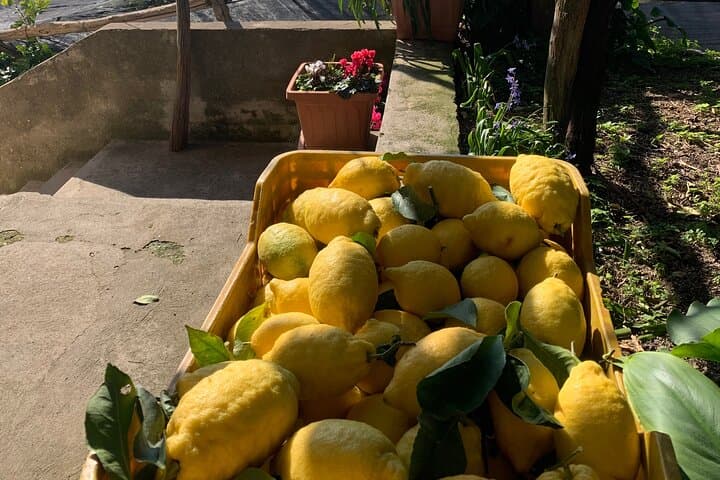
This short, guided walk traces five generations of family lemon growing on terraces built into volcanic slopes. The Amalfi region’s signature fruit, the Sfusato Amalfitano, has been cultivated here for centuries; its long, bumpy rind and high oil content make it ideal for preserves and limoncello. The walk also reveals basic processing steps—from hand-harvest techniques to simple pressing and infusion—set against limestone and tuff outcrops that force growers to farm vertically.
Culturally, the tour is part agritourism, part local culinary lesson: expect stories of family labor, World War II-era challenges, and techniques passed down for pruning, terracing, and water catchment. Bees and seabirds animate the midday hush; terraces shoulder the slope like careful hands.
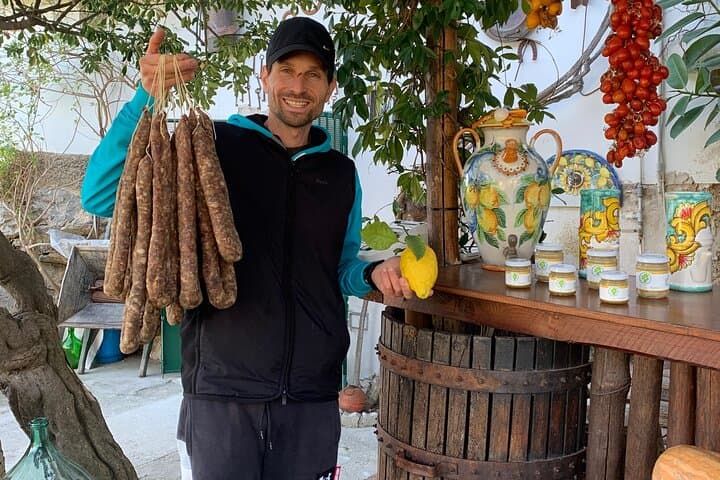
Practical guidance: the tour runs roughly 40–60 minutes and involves steps and uneven packed-earth paths—sturdy flat-soled shoes and sun protection are recommended. Tastings include lemonade, lemon jam, and limoncello; bring a small backpack for purchases. Visit in morning or late afternoon to avoid peak sun and tour-bus crowds. Respect the grove by staying on the designated paths, asking before photographing workers, and buying local products to support conservation of these fragile terraces.
easy.
40–60 minutes.
Suitable for most people who can manage short flights of steps and uneven surfaces; not suitable for major mobility issues.
The guided visit is about 40–60 minutes, including tastings and a short walk through terraces.
Yes—children can attend, but infants must sit on an adult’s lap; stairs and uneven paths mean close supervision is needed.
Yes—tastings usually include lemonade, lemon salad, lemon jam and limoncello produced on site.
The route includes steps and terraced paths; it’s considered easy but is not suitable for visitors with major mobility limitations.
Amalfi lemons (Sfusato Amalfitano) have been cultivated on coastal terraces for centuries; local families have refined terracing and water management to farm steep volcanic slopes.
These terraces are labor‑intensive and erosion‑prone—supporting local producers and staying on paths helps protect the fragile landscape.
Agricola Ruocco’s operates guided outdoor trips and adventures with an emphasis on safety, stewardship, and memorable experiences.
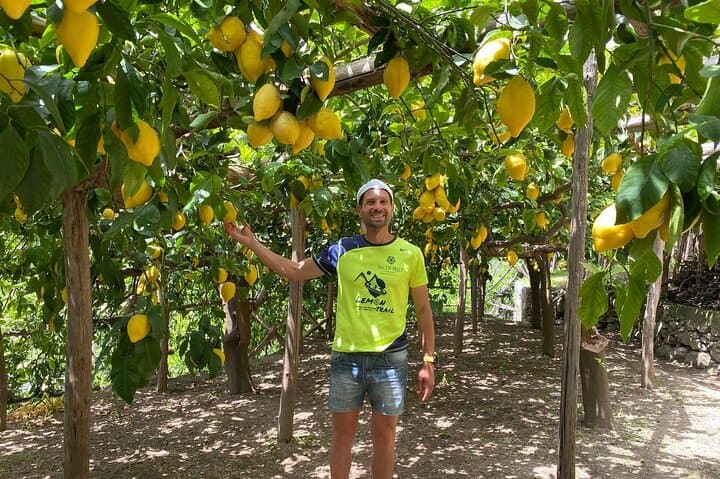
A warm breeze carries the scent of citrus as the group assembles at Lemon Point, a sunlit clearing along the Amalfi Coast’s Lemon Trail. Travelers sip fresh lemonade and a simple lemon salad while the groves—rows of gnarled trees shaped by sea winds—frame views of steep terraces and the Tyrrhenian beyond.
A warm breeze carries the scent of citrus as the group assembles at Lemon Point, a sunlit clearing along the Amalfi Coast’s Lemon Trail. Travelers sip fresh lemonade and a simple lemon salad while the groves—rows of gnarled trees shaped by sea winds—frame views of steep terraces and the Tyrrhenian beyond.
This short, guided walk traces five generations of family lemon growing on terraces built into volcanic slopes. The Amalfi region’s signature fruit, the Sfusato Amalfitano, has been cultivated here for centuries; its long, bumpy rind and high oil content make it ideal for preserves and limoncello. The walk also reveals basic processing steps—from hand-harvest techniques to simple pressing and infusion—set against limestone and tuff outcrops that force growers to farm vertically.
Culturally, the tour is part agritourism, part local culinary lesson: expect stories of family labor, World War II-era challenges, and techniques passed down for pruning, terracing, and water catchment. Bees and seabirds animate the midday hush; terraces shoulder the slope like careful hands.
Practical guidance: the tour runs roughly 40–60 minutes and involves steps and uneven packed-earth paths—sturdy flat-soled shoes and sun protection are recommended. Tastings include lemonade, lemon jam, and limoncello; bring a small backpack for purchases. Visit in morning or late afternoon to avoid peak sun and tour-bus crowds. Respect the grove by staying on the designated paths, asking before photographing workers, and buying local products to support conservation of these fragile terraces.