THE ADVENTURE COLLECTIVE® · Independent discovery and booking for outdoor travel

Walk terraced lemon groves above the sea in Pontone, learn traditional cultivation and taste limoncello and jam made on-site. This two-hour private tour combines hands-on farming insight with panoramic coastal views.
Walk terraced lemon groves above the sea in Pontone, learn traditional cultivation and taste limoncello and jam made on-site. This two-hour private tour combines hands-on farming insight with panoramic coastal views.
You step out of the village lane and the slope takes over: terraces tier down the cliff like steps toward the sea, each one rimmed with lemon trees whose glossy leaves catch the light. The air is sharp with citrus; scents lift and move you forward as the guide points out graft lines and pruning cuts that shape the grove’s rhythm.
Verified experiences and guided adventures in the surrounding area.
Operated by Poggio Angelarosa: Lemon Garden Stay and Relax · Pontone (Scala), Campania
You step out of the village lane and the slope takes over: terraces tier down the cliff like steps toward the sea, each one rimmed with lemon trees whose glossy leaves catch the light. The air is sharp with citrus; scents lift and move you forward as the guide points out graft lines and pruning cuts that shape the grove’s rhythm.
This visit follows a long tradition on the Amalfi Coast. The region’s sfusato amalfitano lemons—bred for thin rind and intense aroma—have been cultivated on dry-stone terraces since medieval times. The terraces themselves are geological work: packed stone walls that hold soil on steep volcanic slopes and slow erosion while offering sweeping views of the Tyrrhenian below.
Culturally, lemons here are more than fruit: they anchor limoncello, marmalade, and community livelihoods. Owners in Pontone will demonstrate pruning, irrigation channels, and the small-scale pressing and maceration used to make liqueur and jam, then invite you to taste in a panoramic rest area where the sea watches from below.
Practicalities: the walk covers the first three terrace levels and takes about two hours, with uneven stone steps and narrow paths—suitable for most fitness levels but not for those with serious back or heart issues. Wear grippy shoes, bring sun protection and water, and plan visits in morning or late afternoon to avoid peak heat. Respect private areas, stay on designated paths, and buy directly from producers if you want to support the grove.
easy.
2 hours.
Suitable for most people who can manage short flights of uneven stone steps and gentle uphill walking
The visit lasts about two hours and includes walking across the first three terrace levels—uneven stone steps and short uphill sections, but no technical climbing.
Yes—tasting of typical lemon grove products such as limoncello and jam is included at the end of the walk in a panoramic relaxation area.
Children are welcome but infants must sit on laps; the site is not recommended for people with serious back, heart, or mobility problems due to steps and narrow paths.
The grove sits above Pontone (Scala); you typically reach Pontone by car or bus and cross the village on foot to reach the terraces—expect a short walk from parking or drop-off.
Amalfi Coast lemons (sfusato amalfitano) have been grown on dry‑stone terraces for centuries; the terraces are an agricultural response to steep volcanic terrain.
Terraced cultivation reduces erosion and maintains biodiversity; visitors help sustain these systems by staying on paths, avoiding picking fruit, and supporting local producers.
Poggio Angelarosa: Lemon Garden Stay and Relax operates guided outdoor trips and adventures with an emphasis on safety, stewardship, and memorable experiences.


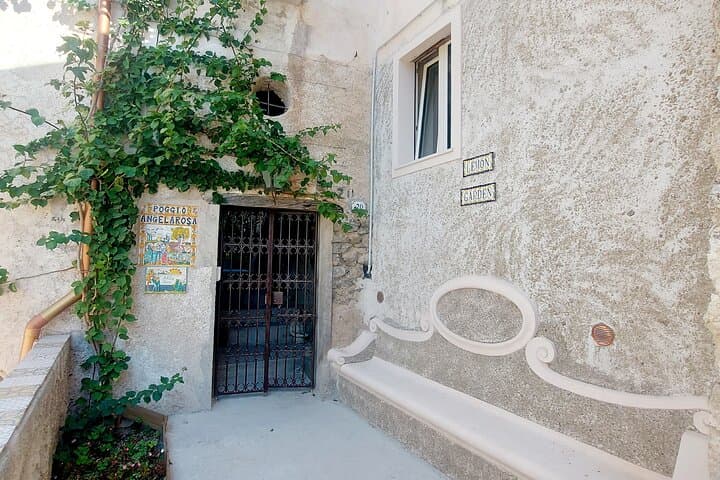
You step out of the village lane and the slope takes over: terraces tier down the cliff like steps toward the sea, each one rimmed with lemon trees whose glossy leaves catch the light. The air is sharp with citrus; scents lift and move you forward as the guide points out graft lines and pruning cuts that shape the grove’s rhythm.
You step out of the village lane and the slope takes over: terraces tier down the cliff like steps toward the sea, each one rimmed with lemon trees whose glossy leaves catch the light. The air is sharp with citrus; scents lift and move you forward as the guide points out graft lines and pruning cuts that shape the grove’s rhythm.
This visit follows a long tradition on the Amalfi Coast. The region’s sfusato amalfitano lemons—bred for thin rind and intense aroma—have been cultivated on dry-stone terraces since medieval times. The terraces themselves are geological work: packed stone walls that hold soil on steep volcanic slopes and slow erosion while offering sweeping views of the Tyrrhenian below.
Culturally, lemons here are more than fruit: they anchor limoncello, marmalade, and community livelihoods. Owners in Pontone will demonstrate pruning, irrigation channels, and the small-scale pressing and maceration used to make liqueur and jam, then invite you to taste in a panoramic rest area where the sea watches from below.
Practicalities: the walk covers the first three terrace levels and takes about two hours, with uneven stone steps and narrow paths—suitable for most fitness levels but not for those with serious back or heart issues. Wear grippy shoes, bring sun protection and water, and plan visits in morning or late afternoon to avoid peak heat. Respect private areas, stay on designated paths, and buy directly from producers if you want to support the grove.