THE ADVENTURE COLLECTIVE® · Independent discovery and booking for outdoor travel

A demanding 13-day Khumbu trek that reaches a high point near Ama Dablam Base Camp (≈4,600m), combining traditional Sherpa villages, high-alpine views, and essential acclimatization days. Ideal for trekkers who want a condensed Everest-region experience without summiting technical peaks.
A demanding 13-day Khumbu trek that reaches a high point near Ama Dablam Base Camp (≈4,600m), combining traditional Sherpa villages, high-alpine views, and essential acclimatization days. Ideal for trekkers who want a condensed Everest-region experience without summiting technical peaks.
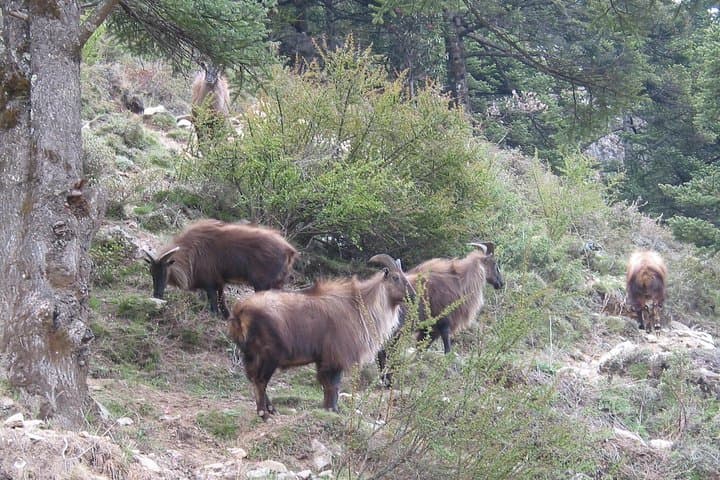
The trail opens with the low, urgent hum of Kathmandu behind you and a clean, thin sky ahead as the tiny plane drops into Lukla. On first steps the forest presses close—rhododendron and fir—then releases you into high, wind-scoured ridgelines where prayer flags snap like small, bright warnings.
Verified experiences and guided adventures in the surrounding area.
Operated by Dream Himalaya Adventures Pvt Ltd · Lukla, Province No. 1
The trail opens with the low, urgent hum of Kathmandu behind you and a clean, thin sky ahead as the tiny plane drops into Lukla. On first steps the forest presses close—rhododendron and fir—then releases you into high, wind-scoured ridgelines where prayer flags snap like small, bright warnings.
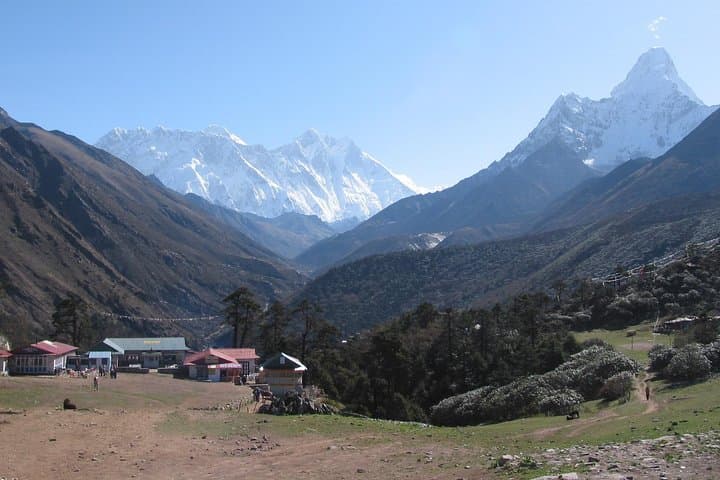
This 13-day route threads classic Khumbu villages: Phakding, Namche Bazaar (3,440m), Tengboche and Pangboche, with a day ascent toward Ama Dablam Base Camp at roughly 4,600m. The Khumbu’s geology is young, uplifted rock and scree carved by glacial tongues; the larger peaks around you are mainly granitic massifs with sharp ridges. Culturally the region is Sherpa country: strong Tibetan-Buddhist traditions, mani walls and monasteries mark decision points on the trail and offer insight into daily life and beliefs.
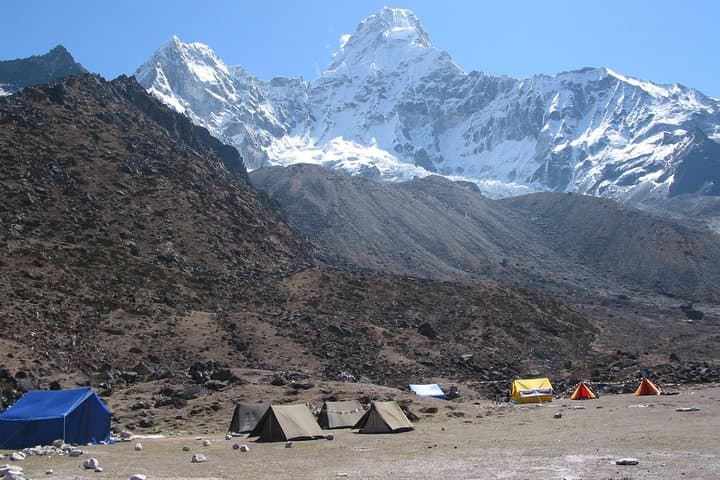
Expect daytime hikes of 3–6 hours between teahouses, with key pushes such as Namche to Tengboche (~9.2 km, 5 hrs) and the Amadablam day-hike (~9.4 km round trip, 5 hrs) that climb to nearly 4,600m. Terrain varies from packed dirt and stone steps to loose moraine closer to high camp. Weather can flip—sunny mornings can yield strong afternoon winds.
Practical guidance: prioritize acclimatization—this itinerary builds it into day hikes and rest in Namche. Use sturdy, broken-in boots and trekking poles for stone steps and scree. Carry a reliable water treatment and layered insulation (temperatures drop sharply above 3,500m). Plan buffer days for Lukla flights; valley weather often delays departures. Book experienced Sherpa-guides and confirm permits (Sagarmatha National Park fees apply). With careful pacing and good gear, this trek delivers close-up alpine drama, living cultural encounters, and a real test of high-altitude endurance.
challenging.
13 days.
Good cardiovascular fitness with multi-day hiking experience; able to carry a daypack and hike 4–6 hours on steep terrain at altitude.
Yes—trekkers must carry a TIMS card and pay Sagarmatha (Everest) National Park entrance fees; these are usually handled by the operator.
Quite possible—mountain weather and visibility determine flights; schedules routinely shift, so expect buffer days and flexible plans.
No technical climbing is required to reach base camp—this is a trek, not a summit attempt—though routes near the face are steep and glaciated beyond base camp.
Spring (March–May) and autumn (September–November) offer the most stable weather, clearer views, and peak trekking infrastructure in teahouses.
The Khumbu has long been inhabited by Sherpa communities of Tibetan origin; Buddhist monasteries like Tengboche have guided cultural and spiritual life for generations.
The trek passes through Sagarmatha National Park, where waste management and water conservation are ongoing issues—use refillable containers and pack out non-biodegradable trash.
Dream Himalaya Adventures Pvt Ltd operates guided outdoor trips and adventures with an emphasis on safety, stewardship, and memorable experiences.
The trail opens with the low, urgent hum of Kathmandu behind you and a clean, thin sky ahead as the tiny plane drops into Lukla. On first steps the forest presses close—rhododendron and fir—then releases you into high, wind-scoured ridgelines where prayer flags snap like small, bright warnings.
The trail opens with the low, urgent hum of Kathmandu behind you and a clean, thin sky ahead as the tiny plane drops into Lukla. On first steps the forest presses close—rhododendron and fir—then releases you into high, wind-scoured ridgelines where prayer flags snap like small, bright warnings.
This 13-day route threads classic Khumbu villages: Phakding, Namche Bazaar (3,440m), Tengboche and Pangboche, with a day ascent toward Ama Dablam Base Camp at roughly 4,600m. The Khumbu’s geology is young, uplifted rock and scree carved by glacial tongues; the larger peaks around you are mainly granitic massifs with sharp ridges. Culturally the region is Sherpa country: strong Tibetan-Buddhist traditions, mani walls and monasteries mark decision points on the trail and offer insight into daily life and beliefs.
Expect daytime hikes of 3–6 hours between teahouses, with key pushes such as Namche to Tengboche (~9.2 km, 5 hrs) and the Amadablam day-hike (~9.4 km round trip, 5 hrs) that climb to nearly 4,600m. Terrain varies from packed dirt and stone steps to loose moraine closer to high camp. Weather can flip—sunny mornings can yield strong afternoon winds.
Practical guidance: prioritize acclimatization—this itinerary builds it into day hikes and rest in Namche. Use sturdy, broken-in boots and trekking poles for stone steps and scree. Carry a reliable water treatment and layered insulation (temperatures drop sharply above 3,500m). Plan buffer days for Lukla flights; valley weather often delays departures. Book experienced Sherpa-guides and confirm permits (Sagarmatha National Park fees apply). With careful pacing and good gear, this trek delivers close-up alpine drama, living cultural encounters, and a real test of high-altitude endurance.