THE ADVENTURE COLLECTIVE® · Independent discovery and booking for outdoor travel

Stand beneath Ama Dablam on a 12‑day trek that threads Sherpa villages, monasteries and high alpine vistas. This guide covers what to expect on trails, cultural highlights and practical planning tips for high‑altitude trekking in the Khumbu.
Stand beneath Ama Dablam on a 12‑day trek that threads Sherpa villages, monasteries and high alpine vistas. This guide covers what to expect on trails, cultural highlights and practical planning tips for high‑altitude trekking in the Khumbu.
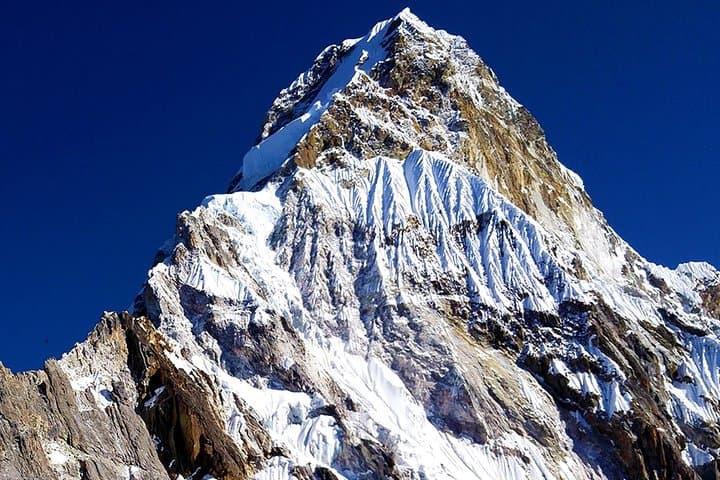
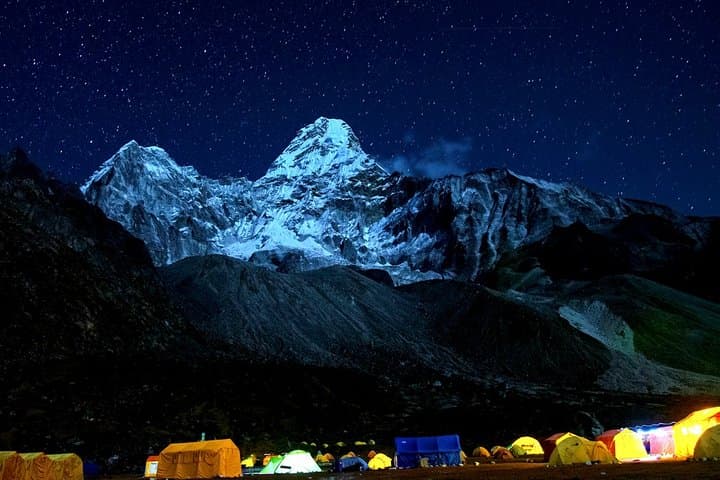
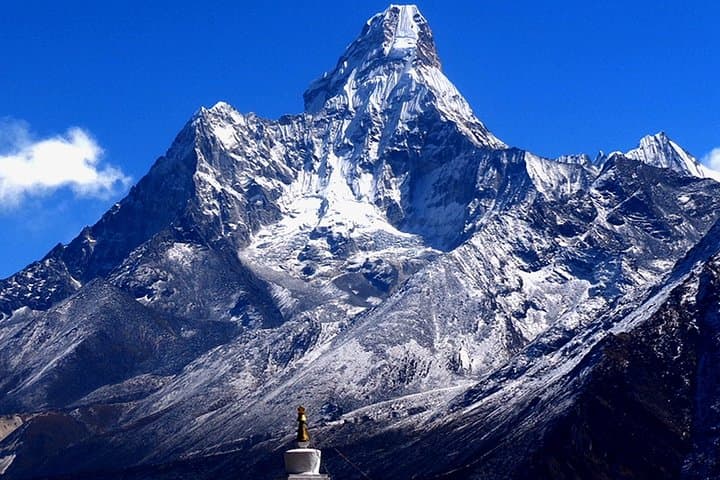
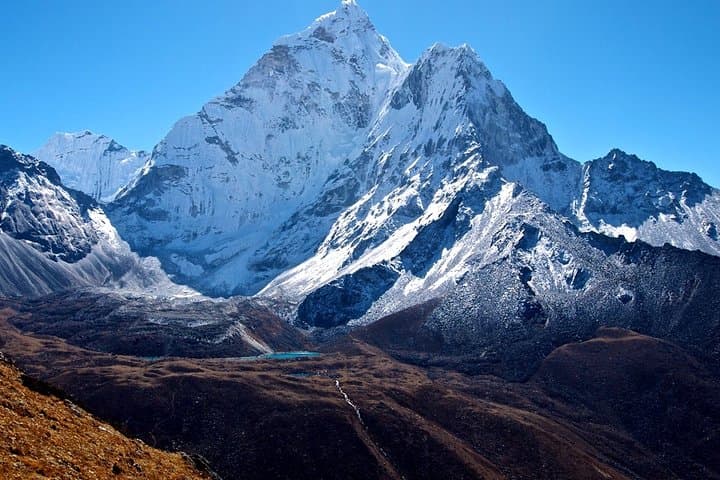
A cold dawn breaks over Kathmandu as the airliner banks toward Lukla, and the Himalaya unfurl like a hard-edged horizon. On foot from Lukla the trail slides through terraced fields and rhododendron dark, climbs to the market town of Namche Bazaar and keeps rising—each switchback a thinner breath, each monastery a pause. By day eight you stand below Ama Dablam, its jagged ridgeline leaning toward the sky as if daring you to look up.
Verified experiences and guided adventures in the surrounding area.
Operated by Alpine Club of Himalaya · Namche Bazaar, Province No. 1
A cold dawn breaks over Kathmandu as the airliner banks toward Lukla, and the Himalaya unfurl like a hard-edged horizon. On foot from Lukla the trail slides through terraced fields and rhododendron dark, climbs to the market town of Namche Bazaar and keeps rising—each switchback a thinner breath, each monastery a pause. By day eight you stand below Ama Dablam, its jagged ridgeline leaning toward the sky as if daring you to look up.
This route threads the cultural spine of the Khumbu: traditional Sherpa villages, mani walls and gompas that date centuries, and the protected slopes of Sagarmatha (Everest) National Park—declared a UNESCO site for both its human and geological heritage. The valleys here are carved from uplifted sediment and glacial action; moraines and hanging valleys channel meltwater into the Dudh Koshi river, whose mood shifts from polite stream to roaring gorge.
Expect warm teahouses, basic lodgings and communal meals; local guides translate not only language but the rhythms of altitude. The trek balances acclimatization days in Namche and Khumjung with longer pushes to Pangboche and the Ama Dablam Base Camp at ~4,576 m.
Practical guidance: plan for variable weather—clear mornings, whiteout afternoons in monsoon, and early-season snow. Hydrate and pace uphill; use trekking poles on steep descents. Book Lukla flights early and carry cash for village purchases. Respect monastery etiquette and pack out non-biodegradable waste where possible. With steady fitness and careful acclimatization, this 12‑day circuit delivers some of the Khumbu’s clearest mountain theatre and an intimate look at Sherpa life.
challenging.
12 days.
Good cardiovascular fitness with experience on multi‑day hikes at altitude; ability to hike 4–7 hours daily with pack.
Spring (March–May) and autumn (September–November) offer the most stable weather, clearer mountain views and active village life; monsoon brings clouds and winter brings cold and restricted services.
Yes—Sagarmatha National Park permit and TIMS card are required; most operators obtain these before the trek and they are checked at trail checkpoints.
The trek reaches around 4,576 m; acclimatization days are built in but altitude illness is a risk—ascend slowly, hydrate, and consult a physician about medication if you have concerns.
Guides and porters are strongly recommended for navigation, cultural liaison and load management; local companies typically provide experienced English-speaking guides and porters.
This valley is the traditional homeland of the Sherpa people; trade, Buddhism and mountaineering have shaped Khumbu since trekking tourism emerged in the mid‑20th century.
Trekking passes through Sagarmatha National Park—permits fund conservation; minimize waste, avoid single‑use plastics and support local lodges that follow waste‑management practices.
Alpine Club of Himalaya operates guided outdoor trips and adventures with an emphasis on safety, stewardship, and memorable experiences.
A cold dawn breaks over Kathmandu as the airliner banks toward Lukla, and the Himalaya unfurl like a hard-edged horizon. On foot from Lukla the trail slides through terraced fields and rhododendron dark, climbs to the market town of Namche Bazaar and keeps rising—each switchback a thinner breath, each monastery a pause. By day eight you stand below Ama Dablam, its jagged ridgeline leaning toward the sky as if daring you to look up.
A cold dawn breaks over Kathmandu as the airliner banks toward Lukla, and the Himalaya unfurl like a hard-edged horizon. On foot from Lukla the trail slides through terraced fields and rhododendron dark, climbs to the market town of Namche Bazaar and keeps rising—each switchback a thinner breath, each monastery a pause. By day eight you stand below Ama Dablam, its jagged ridgeline leaning toward the sky as if daring you to look up.
This route threads the cultural spine of the Khumbu: traditional Sherpa villages, mani walls and gompas that date centuries, and the protected slopes of Sagarmatha (Everest) National Park—declared a UNESCO site for both its human and geological heritage. The valleys here are carved from uplifted sediment and glacial action; moraines and hanging valleys channel meltwater into the Dudh Koshi river, whose mood shifts from polite stream to roaring gorge.
Expect warm teahouses, basic lodgings and communal meals; local guides translate not only language but the rhythms of altitude. The trek balances acclimatization days in Namche and Khumjung with longer pushes to Pangboche and the Ama Dablam Base Camp at ~4,576 m.
Practical guidance: plan for variable weather—clear mornings, whiteout afternoons in monsoon, and early-season snow. Hydrate and pace uphill; use trekking poles on steep descents. Book Lukla flights early and carry cash for village purchases. Respect monastery etiquette and pack out non-biodegradable waste where possible. With steady fitness and careful acclimatization, this 12‑day circuit delivers some of the Khumbu’s clearest mountain theatre and an intimate look at Sherpa life.