THE ADVENTURE COLLECTIVE® · Independent discovery and booking for outdoor travel

A 30-day expedition linking Island Peak and Ama Dablam, this trip moves from Kathmandu to Lukla and into the Imja Valley for technical ice climbing and high-altitude trekking. Expect glacier travel, cultural stops in Sherpa villages, and sustained periods above 5,000 m.
A 30-day expedition linking Island Peak and Ama Dablam, this trip moves from Kathmandu to Lukla and into the Imja Valley for technical ice climbing and high-altitude trekking. Expect glacier travel, cultural stops in Sherpa villages, and sustained periods above 5,000 m.
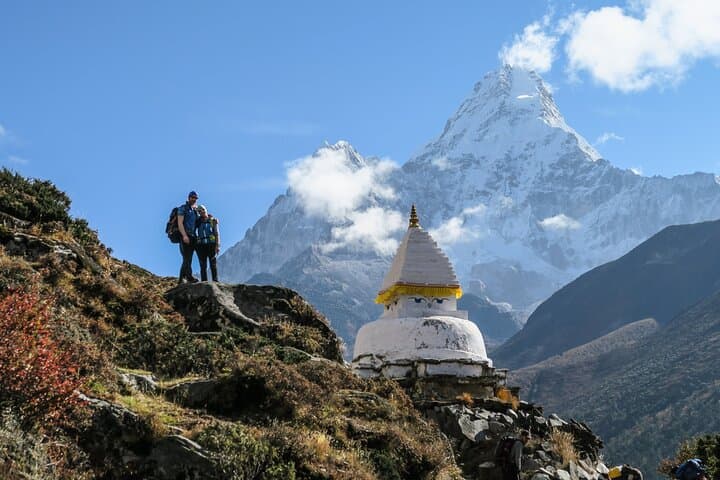
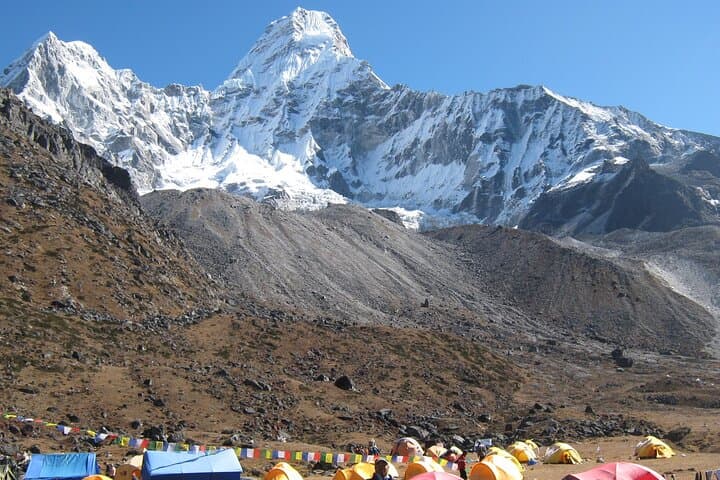
You step out of the thin-air silence just below tree line and the mountains answer: Ama Dablam’s ridges lift like a stern, watchful arm and the glacial bowls of Imja Valley broach cold light that shifts with each cloud.
Verified experiences and guided adventures in the surrounding area.
Operated by Monterosa Treks and Expedition- kailash Tour package · Kathmandu, Bagmati Province
You step out of the thin-air silence just below tree line and the mountains answer: Ama Dablam’s ridges lift like a stern, watchful arm and the glacial bowls of Imja Valley broach cold light that shifts with each cloud.
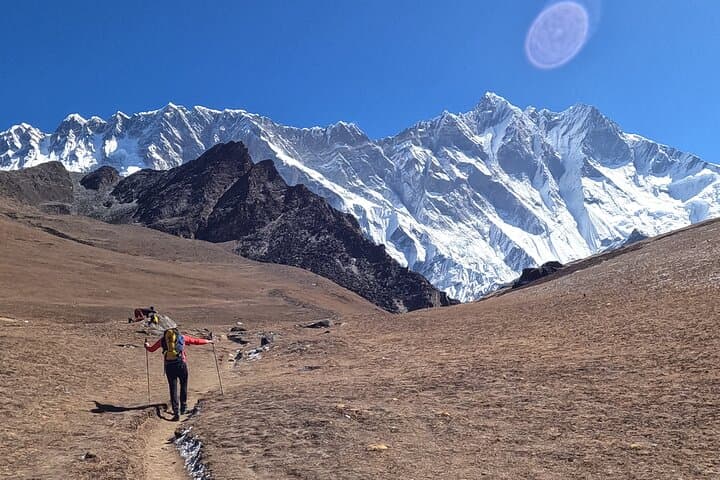
This 30-day expedition threads Kathmandu’s bustle to Lukla’s short runway and then climbs through Sherpa villages, prayer flags, and rhododendron forests before opening into the high, raw geometry of Ama Dablam (6,812 m) and Island Peak/Imja Tse (6,189 m). Geologically these peaks are young, uplifted crags of the Greater Himalaya, carved by cirques and fed by hanging glaciers that demand respectful route-finding and technical ropework.
Culturally, the route runs through Sherpa communities where the Dablam—literally "mother’s necklace"—is part of local iconography, and monasteries like Tengboche offer daily ritual that punctuates acclimatization days. Expect close encounters with seasonal weather, solar-lit seracs, and the steady rhythm of porters and high camps.
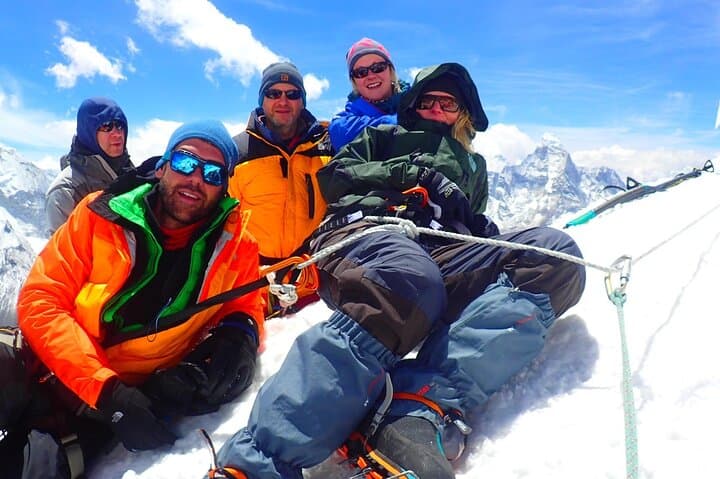
Practically, the itinerary includes scheduled acclimatization, a technical push on Ama Dablam over multiple camps, and a classic summit day on Island Peak with fixed lines and crampon work. Prepare for 10+ hour trekking days, glacier travel, and cold nights in tented camps. Hydrate on the move, monitor for acute mountain sickness, and rely on a phased acclimatization plan. Footwear with rigid soles, reliable crampons, layered insulation, and hands-on rope skills are non-negotiable. Leave no trace, follow your guide’s rope commands, and plan flights to/from Lukla with flexible buffer days for weather.
expert.
30 days.
Very high aerobic fitness and prior high-altitude experience; able to carry 15–25 kg loads on long days and recover quickly.
You should have prior experience on glaciated peaks with crampon and ice-axe use; guided training on fixed lines is provided but basic rope skills and high-altitude experience are strongly recommended.
Pre-monsoon spring (April–May) and post-monsoon fall (September–November) offer the most stable weather and are the standard windows for Ama Dablam and Island Peak.
Climbing permits for Island Peak and Ama Dablam are included in the trip inclusions; insurance for Nepali staff is provided—participants should have their own high-altitude rescue and evacuation coverage.
Very serious—the route reaches above 6,000 m, so strict acclimatization, monitoring for symptoms, and readiness to descend are vital; guides will enforce acclimatization schedules.
The peaks sit in the Khumbu, home to the Sherpa people whose culture and mountaineering heritage shaped modern Himalayan climbing; Ama Dablam’s name and shape reflect local religious symbolism.
Climbing corridors are regulated by permits and clean-up initiatives; follow pack-in/pack-out, use designated toilet tents, and support locally managed waste programs to reduce impact.
Monterosa Treks and Expedition- kailash Tour package operates guided outdoor trips and adventures with an emphasis on safety, stewardship, and memorable experiences.
You step out of the thin-air silence just below tree line and the mountains answer: Ama Dablam’s ridges lift like a stern, watchful arm and the glacial bowls of Imja Valley broach cold light that shifts with each cloud.
You step out of the thin-air silence just below tree line and the mountains answer: Ama Dablam’s ridges lift like a stern, watchful arm and the glacial bowls of Imja Valley broach cold light that shifts with each cloud.
This 30-day expedition threads Kathmandu’s bustle to Lukla’s short runway and then climbs through Sherpa villages, prayer flags, and rhododendron forests before opening into the high, raw geometry of Ama Dablam (6,812 m) and Island Peak/Imja Tse (6,189 m). Geologically these peaks are young, uplifted crags of the Greater Himalaya, carved by cirques and fed by hanging glaciers that demand respectful route-finding and technical ropework.
Culturally, the route runs through Sherpa communities where the Dablam—literally "mother’s necklace"—is part of local iconography, and monasteries like Tengboche offer daily ritual that punctuates acclimatization days. Expect close encounters with seasonal weather, solar-lit seracs, and the steady rhythm of porters and high camps.
Practically, the itinerary includes scheduled acclimatization, a technical push on Ama Dablam over multiple camps, and a classic summit day on Island Peak with fixed lines and crampon work. Prepare for 10+ hour trekking days, glacier travel, and cold nights in tented camps. Hydrate on the move, monitor for acute mountain sickness, and rely on a phased acclimatization plan. Footwear with rigid soles, reliable crampons, layered insulation, and hands-on rope skills are non-negotiable. Leave no trace, follow your guide’s rope commands, and plan flights to/from Lukla with flexible buffer days for weather.