THE ADVENTURE COLLECTIVE® · Independent discovery and booking for outdoor travel

A long, coach-based day that covers Hegra’s Nabatean tombs, Elephant Rock, Maraya, the old oasis and markets — ideal for travelers who want maximum exposure to AlUla’s geology and heritage in a single, guided day.
A long, coach-based day that covers Hegra’s Nabatean tombs, Elephant Rock, Maraya, the old oasis and markets — ideal for travelers who want maximum exposure to AlUla’s geology and heritage in a single, guided day.
You step off the coach at dawn and the rocks of AlUla are already reshaping the sky — warm sandstone faces catching the first light, shadows like dry rivers moving across ancient tombs.
Verified experiences and guided adventures in the surrounding area.
Operated by Zawaya Tourist · AlUla, Al Madinah Region
You step off the coach at dawn and the rocks of AlUla are already reshaping the sky — warm sandstone faces catching the first light, shadows like dry rivers moving across ancient tombs.
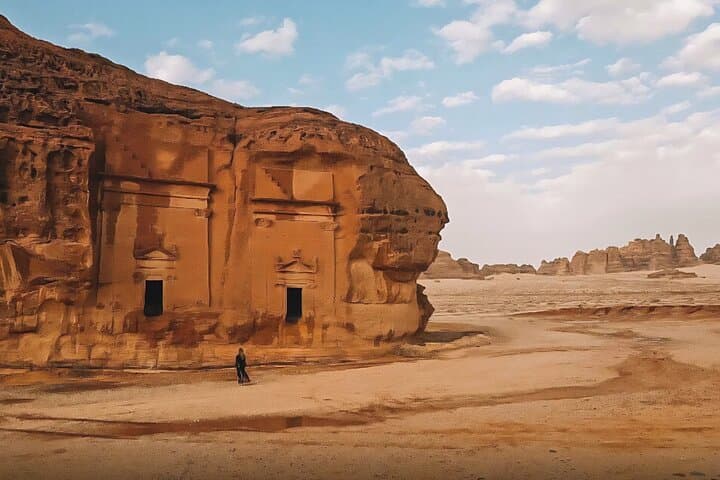
This full‑day journey moves through Hegra (Madâ’in Sâlih), the Nabatean city carved into Jurassic sandstone, then threads past elephant-shaped monoliths, the old oasis, and the marbled façade of Maraya. Geology here is raw: wind‑smoothed ridges, cross-bedded sandstone, and isolated buttes that record millions of years of desert weathering. Culturally, AlUla is a crossroads — Nabatean trade routes, pre‑Islamic settlements, and now a revived heritage zone with local markets that preserve Bedouin crafts and cuisine.
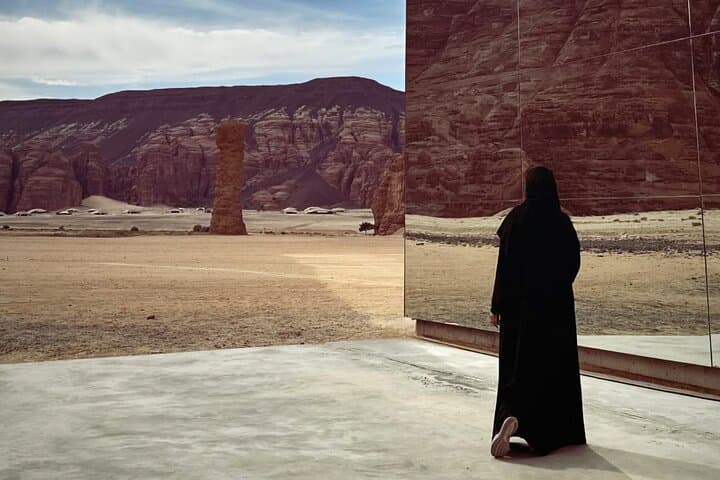
Expect guided walks of varying length at each stop, short buggy runs across the dunes, and plenty of roadside viewpoints where the wind seems to rearrange the light. The old markets and Al Jadida offer a quieter contrast to Hegra’s monumental tombs, and Maraya’s mirrored hall reflects the landscape like an attentive guest.
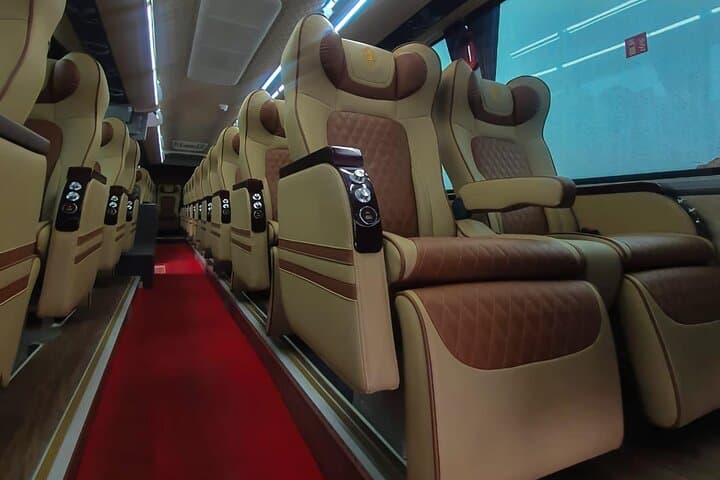
Practically: the day is long (roughly 15–17 hours) and mostly coach‑based with short, sometimes uneven walks at sites. Bring sun protection and layered clothing for cold desert nights, carry a refillable water bottle, and wear sturdy shoes for short excursions on sand and packed gravel. If you have limited mobility, check specific site access in advance — some carved facades require steps. The guide supplies history, context, and timing so you see the highlights without losing the slow rhythm of the desert.
easy.
15–17 hours.
Suitable for most fitness levels; requires ability to board a coach and walk short uneven sections.
The tour runs about 15–17 hours total; expect multiple coach transfers between sites with guided stops lasting 20–90 minutes each.
Yes — infants can travel but must sit on laps; the itinerary includes on‑board restroom facilities and stroller access for short transfers.
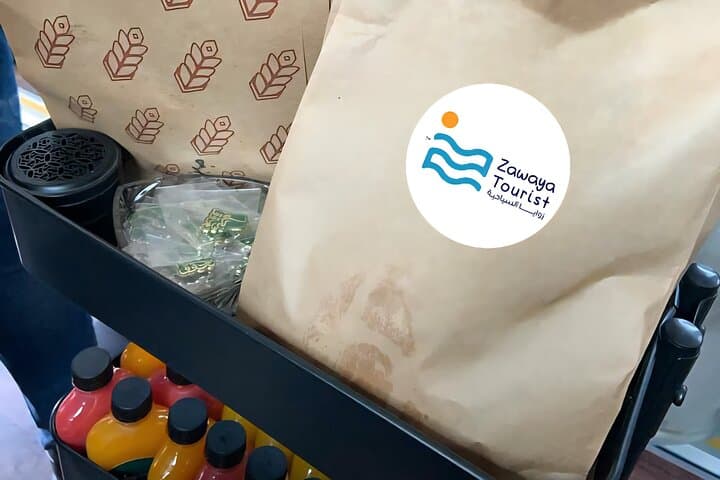
Breakfast, lunch, snacks, tea and coffee are included, plus bottled water during the day as noted in the itinerary.
Some sites have steps and uneven ground; contact the operator ahead of time to discuss specific accessibility needs and alternatives.
AlUla sits on ancient trade routes; Hegra is Saudi Arabia’s first UNESCO World Heritage Site and preserves Nabatean funerary architecture carved into sandstone.
Recent conservation and tourism initiatives aim to balance visitor access with site protection; stick to marked paths and follow guide instructions to minimize erosion and damage.
Zawaya Tourist operates guided outdoor trips and adventures with an emphasis on safety, stewardship, and memorable experiences.
You step off the coach at dawn and the rocks of AlUla are already reshaping the sky — warm sandstone faces catching the first light, shadows like dry rivers moving across ancient tombs.
You step off the coach at dawn and the rocks of AlUla are already reshaping the sky — warm sandstone faces catching the first light, shadows like dry rivers moving across ancient tombs.
This full‑day journey moves through Hegra (Madâ’in Sâlih), the Nabatean city carved into Jurassic sandstone, then threads past elephant-shaped monoliths, the old oasis, and the marbled façade of Maraya. Geology here is raw: wind‑smoothed ridges, cross-bedded sandstone, and isolated buttes that record millions of years of desert weathering. Culturally, AlUla is a crossroads — Nabatean trade routes, pre‑Islamic settlements, and now a revived heritage zone with local markets that preserve Bedouin crafts and cuisine.
Expect guided walks of varying length at each stop, short buggy runs across the dunes, and plenty of roadside viewpoints where the wind seems to rearrange the light. The old markets and Al Jadida offer a quieter contrast to Hegra’s monumental tombs, and Maraya’s mirrored hall reflects the landscape like an attentive guest.
Practically: the day is long (roughly 15–17 hours) and mostly coach‑based with short, sometimes uneven walks at sites. Bring sun protection and layered clothing for cold desert nights, carry a refillable water bottle, and wear sturdy shoes for short excursions on sand and packed gravel. If you have limited mobility, check specific site access in advance — some carved facades require steps. The guide supplies history, context, and timing so you see the highlights without losing the slow rhythm of the desert.