THE ADVENTURE COLLECTIVE® · Independent discovery and booking for outdoor travel

Explore a recreated Mediterranean-style village perched above the Río Chavón — museums, an iconic amphitheater and sweeping miradors make Altos de Chavón a compact, culturally rich half-day outing from Punta Cana. This guide covers what to expect and how to prepare.
Explore a recreated Mediterranean-style village perched above the Río Chavón — museums, an iconic amphitheater and sweeping miradors make Altos de Chavón a compact, culturally rich half-day outing from Punta Cana. This guide covers what to expect and how to prepare.
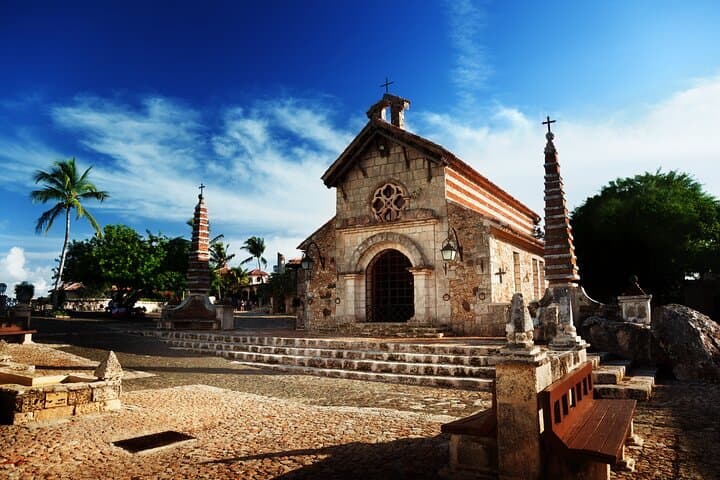
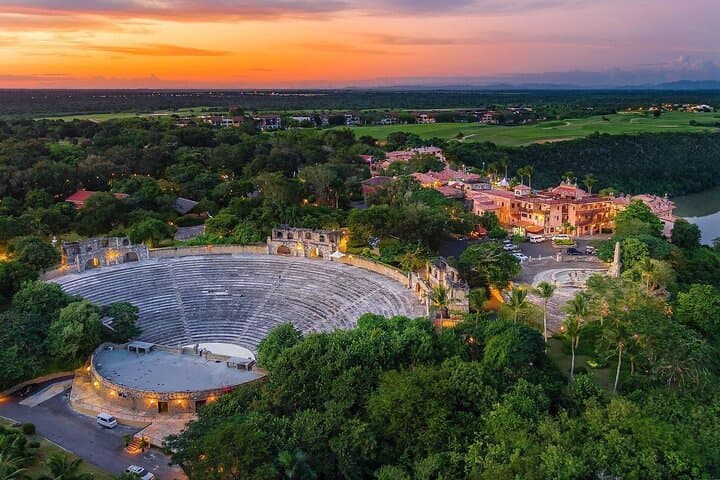
You arrive at a stone-paved plaza where sculpted facades lean into blue Caribbean light; church bells call from a hilltop and the Río Chavón glints below, daring you to look farther. Altos de Chavón reads like a staged old town — narrow lanes, hand-carved balconies and the amphitheater looming like a cliff-side stage — but the village offers real artifacts, craft workshops and sweeping lookout points that reward a half-day visit.
Verified experiences and guided adventures in the surrounding area.
Operated by MamaJuana Travel · La Romana, La Romana Province
You arrive at a stone-paved plaza where sculpted facades lean into blue Caribbean light; church bells call from a hilltop and the Río Chavón glints below, daring you to look farther. Altos de Chavón reads like a staged old town — narrow lanes, hand-carved balconies and the amphitheater looming like a cliff-side stage — but the village offers real artifacts, craft workshops and sweeping lookout points that reward a half-day visit.
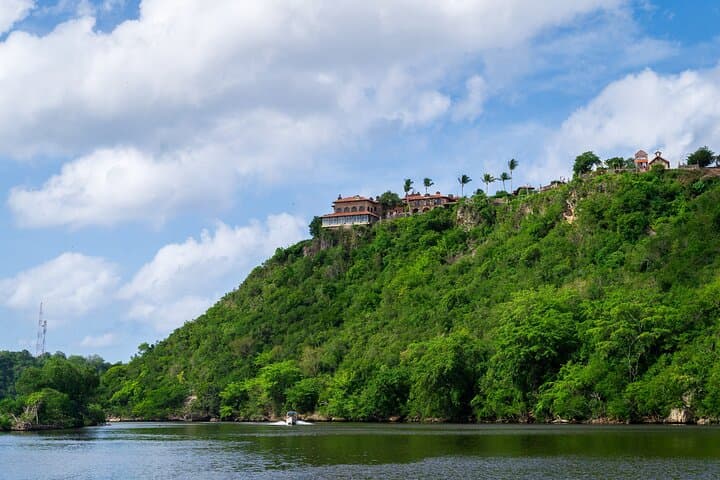
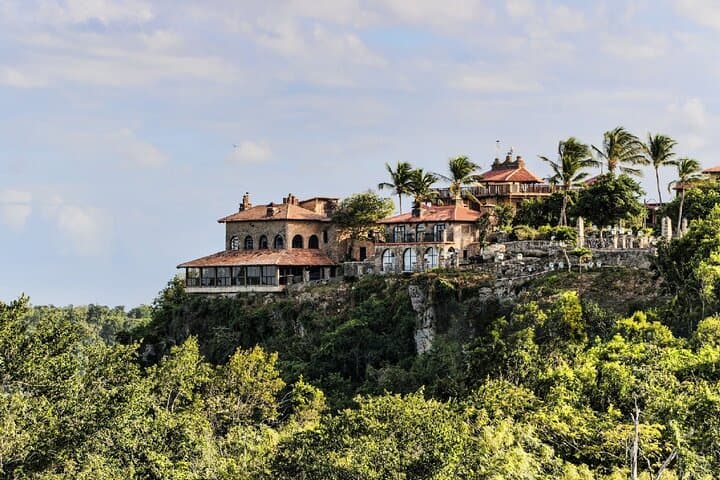
Built in the 1970s as a cultural project beside the Chavón River, Altos de Chavón pays homage to colonial-era architecture while housing Dominican collections: pre-Columbian pieces in the Archaeological Museum and local geology on display at the amber and larimar museum. The amphitheater hosts international acts against a backdrop of limestone bluffs; the Church of San Estanislao anchors the main square. The site sits on terraces formed by river erosion — the Chavón has carved its valley through soft carbonate rock, creating perched viewpoints and a dramatic river bend visible from El Mirador.
Plan your visit around light walking: expect cobbles, stepped alleys, and a short uphill approach to viewpoints. Bring sun protection and a camera; summer heat peaks midday. Tours typically include hotel pickup, an English-speaking guide and bottled water, and last about four to five hours. Wear comfortable shoes and carry a small daypack — the village is compact but rich in visual detail, and timing your visit for late afternoon softens the light and the heat. Altos de Chavón is as much about looking as it is about learning — take both seriously.
easy.
4–5 hours.
Light walking on uneven cobbles; suitable for most fitness levels if you can manage short stairs.
Yes — most half-day tours include hotel pickup and drop-off in Punta Cana by air-conditioned vehicle, as stated in the tour inclusions.
The standard half-day itinerary covers guided stops at museums and viewpoints; verify with the operator for any special exhibits that may charge extra.
Altos de Chavón has uneven cobbles and steps; some plazas are accessible but overall mobility limitations may restrict access to viewpoints and amphitheater seating.
Guides commonly speak Spanish and English; confirm language needs at booking to ensure a bilingual guide if required.
Altos de Chavón was created in the 1970s as a cultural village and arts center, modeled after 16th-century Mediterranean towns and tied to Casa de Campo development.
The Chavón valley is sensitive to erosion and tourism; stick to paths, avoid disturbing stonework and support local artisans to keep economic benefits local.
MamaJuana Travel operates guided outdoor trips and adventures with an emphasis on safety, stewardship, and memorable experiences.
You arrive at a stone-paved plaza where sculpted facades lean into blue Caribbean light; church bells call from a hilltop and the Río Chavón glints below, daring you to look farther. Altos de Chavón reads like a staged old town — narrow lanes, hand-carved balconies and the amphitheater looming like a cliff-side stage — but the village offers real artifacts, craft workshops and sweeping lookout points that reward a half-day visit.
You arrive at a stone-paved plaza where sculpted facades lean into blue Caribbean light; church bells call from a hilltop and the Río Chavón glints below, daring you to look farther. Altos de Chavón reads like a staged old town — narrow lanes, hand-carved balconies and the amphitheater looming like a cliff-side stage — but the village offers real artifacts, craft workshops and sweeping lookout points that reward a half-day visit.
Built in the 1970s as a cultural project beside the Chavón River, Altos de Chavón pays homage to colonial-era architecture while housing Dominican collections: pre-Columbian pieces in the Archaeological Museum and local geology on display at the amber and larimar museum. The amphitheater hosts international acts against a backdrop of limestone bluffs; the Church of San Estanislao anchors the main square. The site sits on terraces formed by river erosion — the Chavón has carved its valley through soft carbonate rock, creating perched viewpoints and a dramatic river bend visible from El Mirador.
Plan your visit around light walking: expect cobbles, stepped alleys, and a short uphill approach to viewpoints. Bring sun protection and a camera; summer heat peaks midday. Tours typically include hotel pickup, an English-speaking guide and bottled water, and last about four to five hours. Wear comfortable shoes and carry a small daypack — the village is compact but rich in visual detail, and timing your visit for late afternoon softens the light and the heat. Altos de Chavón is as much about looking as it is about learning — take both seriously.