THE ADVENTURE COLLECTIVE® · Independent discovery and booking for outdoor travel

Float across a subterranean lake inside Turkey’s only Cave National Park, then walk through centuries-old timber villages where local woodworking and a millennium-old tree anchor the landscape. This full-day tour pairs dramatic karst scenery with cultural stops in Ürünlü and Ormana.
Float across a subterranean lake inside Turkey’s only Cave National Park, then walk through centuries-old timber villages where local woodworking and a millennium-old tree anchor the landscape. This full-day tour pairs dramatic karst scenery with cultural stops in Ürünlü and Ormana.
You step from the minibus into high, dry air and the whisper of the Taurus Mountains; a short walk takes you to a narrow opening and a boat that will carry you into a pale, echoing chamber. Altınbeşik Cave’s underground lake reflects stalactites like low-hanging teeth, and the guide’s light sketches ancient mineral curtains on the water as the boat drifts.
Verified experiences and guided adventures in the surrounding area.
Operated by TURONTIME · Ibradı, Antalya Province
You step from the minibus into high, dry air and the whisper of the Taurus Mountains; a short walk takes you to a narrow opening and a boat that will carry you into a pale, echoing chamber. Altınbeşik Cave’s underground lake reflects stalactites like low-hanging teeth, and the guide’s light sketches ancient mineral curtains on the water as the boat drifts.
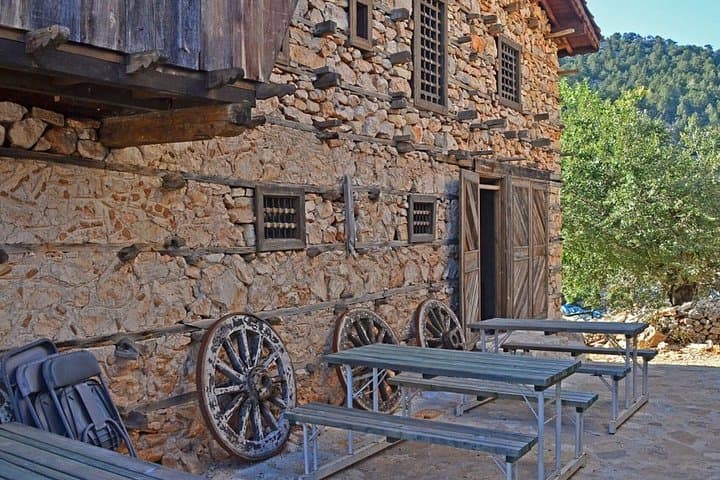
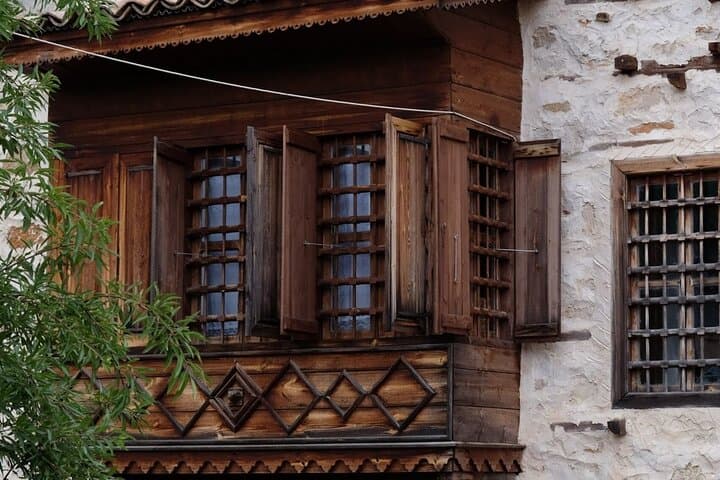
The cave sits in the Ibradı plateau and was declared Turkey’s first Cave National Park in 1994 — a karst landscape carved over millennia from limestone and fault-line water. Above ground, Ürünlü (historically Unulla) and nearby Ormana preserve Ottoman- and Seljuk-era rural architecture: two-story timber houses, carved wooden facades and stone buildings assembled without nails, evidence of local craft and caravan-route history that predates the Seljuks and stretches back to Roman mentions of Erimna.
On a full-day tour you’ll combine a roughly two-hour guided boat exploration of the cave with village walks through buttoned houses and a stop at Sarhaclar to see a thousand-year-old tree with a massive trunk. The route is mostly easy walking on village lanes and short, uneven paths; expect some steps and rocky surfaces. Lunch is typically available at a village restaurant — often simple Anatolian fare.
Practical: wear grippy shoes, bring a light jacket for the cave’s cool humidity, and carry water for the rural stretches between stops. Morning pickup from Antalya means a long but scenic drive through the Taurus; bring a camera and an appetite for geology and quiet mountain villages.
moderate.
9 hours.
Suitable for travelers with light to moderate fitness — involves short walks on uneven terrain and a boat ride; long vehicle transfers require stamina.
The guided exploration of Altınbeşik Cave typically lasts around 90–120 minutes including boarding and short interpretive stops.
Yes — the tour notes infants must sit on laps for safety during transport; the cave boat ride is gentle but keep children close on docks and village paths.
Lunch is listed as an inclusion option on some bookings; often there is an optional village lunch for a modest additional fee — check your booking details.
Expect several hours of round-trip driving from Antalya; the total itinerary is about 9 hours with roughly 4 hours of travel time included.
The area’s settlements trace back to Roman-era Erimna and later became part of Seljuk caravan routes; traditional timber and stone houses reflect centuries of local craft.
Altınbeşik Cave is protected as a national park; visitors should avoid touching formations, stay on marked routes and support local guides who manage visitor impact.
TURONTIME operates guided outdoor trips and adventures with an emphasis on safety, stewardship, and memorable experiences.
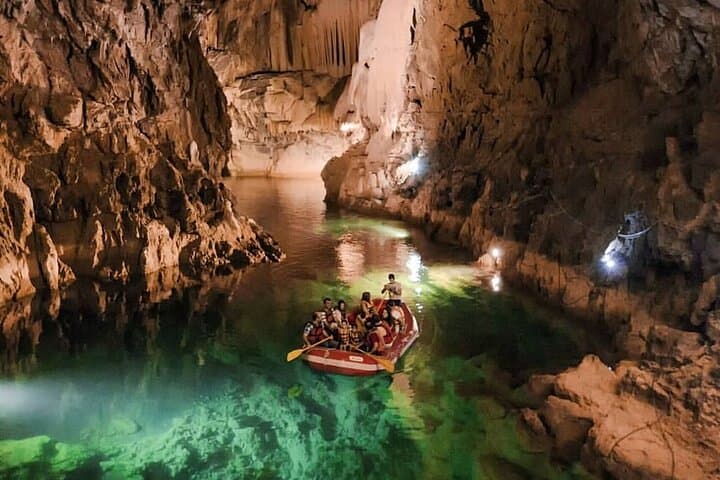
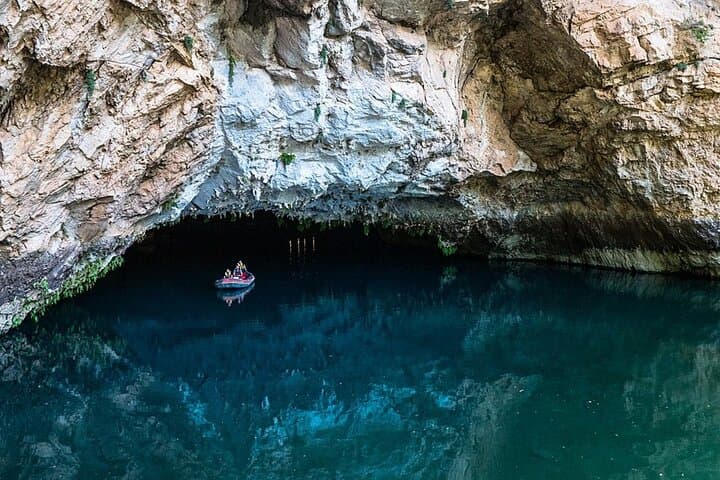
You step from the minibus into high, dry air and the whisper of the Taurus Mountains; a short walk takes you to a narrow opening and a boat that will carry you into a pale, echoing chamber. Altınbeşik Cave’s underground lake reflects stalactites like low-hanging teeth, and the guide’s light sketches ancient mineral curtains on the water as the boat drifts.
You step from the minibus into high, dry air and the whisper of the Taurus Mountains; a short walk takes you to a narrow opening and a boat that will carry you into a pale, echoing chamber. Altınbeşik Cave’s underground lake reflects stalactites like low-hanging teeth, and the guide’s light sketches ancient mineral curtains on the water as the boat drifts.
The cave sits in the Ibradı plateau and was declared Turkey’s first Cave National Park in 1994 — a karst landscape carved over millennia from limestone and fault-line water. Above ground, Ürünlü (historically Unulla) and nearby Ormana preserve Ottoman- and Seljuk-era rural architecture: two-story timber houses, carved wooden facades and stone buildings assembled without nails, evidence of local craft and caravan-route history that predates the Seljuks and stretches back to Roman mentions of Erimna.
On a full-day tour you’ll combine a roughly two-hour guided boat exploration of the cave with village walks through buttoned houses and a stop at Sarhaclar to see a thousand-year-old tree with a massive trunk. The route is mostly easy walking on village lanes and short, uneven paths; expect some steps and rocky surfaces. Lunch is typically available at a village restaurant — often simple Anatolian fare.
Practical: wear grippy shoes, bring a light jacket for the cave’s cool humidity, and carry water for the rural stretches between stops. Morning pickup from Antalya means a long but scenic drive through the Taurus; bring a camera and an appetite for geology and quiet mountain villages.