THE ADVENTURE COLLECTIVE® · Independent discovery and booking for outdoor travel

A five‑day guided trek from La Candelaria to the Altar caldera, this route crosses high paramo, blue glacial lagoons and a collapsed volcanic amphitheater. Expect muddy trails, high elevation and incredible crater views.
A five‑day guided trek from La Candelaria to the Altar caldera, this route crosses high paramo, blue glacial lagoons and a collapsed volcanic amphitheater. Expect muddy trails, high elevation and incredible crater views.
You step off the minivan and the páramo hits you like a cool, moving wall — wind polishing the grasses, distant peaks scalloped in cloud. The road from Quito fades; ahead, seven jagged summits form a collapsed crown around a bright, high‑altitude crater. Over five days you move through horse tracks, glacial creeks and fields of low, tough plants that seem to lean into the breeze.
Verified experiences and guided adventures in the surrounding area.
Operated by Activexpedition · La Candelaria, Chimborazo
You step off the minivan and the páramo hits you like a cool, moving wall — wind polishing the grasses, distant peaks scalloped in cloud. The road from Quito fades; ahead, seven jagged summits form a collapsed crown around a bright, high‑altitude crater. Over five days you move through horse tracks, glacial creeks and fields of low, tough plants that seem to lean into the breeze.
The Altar massif is a caldera: a volcano that imploded and left seven named peaks—Los Frailes, El Canónigo, La Monja Mayor, La Monja Menor, El Tabernáculo, El Obispo and El Acólito—ringing Laguna Amarilla. Geologically recent glacial sculpting and eruptions shaped the amphitheater you’ll walk into; culturally, local communities have long used the valleys for grazing and mountain rites tied to Pachamama.
Expect muddy, sometimes steep tracks across wet paramo, with sudden exposure to sun, wind and thin air — this is 4,200–4,800 m terrain. Guides use horses and mules to ferry gear; nights are in simple basecamp accommodation. Wildlife is subtle: Andean lapwings and deer may appear at dawn; condors and hawks ride the thermals above.
Practical edge: allow two days in Quito to acclimatize, pack a waterproof shell and warm insulation, and keep a slow pace uphill. Carry electrolytes, use sun protection, and leave nothing behind—the páramo recovers slowly. With steady fitness and respect for altitude, the reward is a raw crater lake, cobalt lagoons and an intimate look at Ecuador’s high Andes.
challenging.
5 days.
Requires high aerobic fitness and prior multi‑day hiking experience; comfortable with long days at 4,200–4,800 m.
Trekking takes you into the 4,200–4,800 m range; altitude sickness is possible—acclimatize in Quito or Riobamba, stay hydrated, ascend slowly and inform guides of symptoms.
Accommodation is basic basecamp style with sleeping bags provided; expect simple communal facilities and daytime shelters.
Some guests choose to briefly enter lagoons like Laguna Amarilla, but waters are icy—do so cautiously and follow guide advice for safety and cultural respect.
Typical inclusions: meals as listed, campsite accommodation, guide, mule support, some trekking gear (poles, sleeping bag) and taxes; personal items, gratuities and specialist clothing are not included.
El Altar’s caldera formed when a major eruption collapsed the volcanic cone, leaving the ring of seven peaks that local communities have named and revered.
The páramo is a fragile water‑catchment ecosystem; stick to trails, avoid trampling cushion plants and support local guides who practice low‑impact camping.
Activexpedition operates guided outdoor trips and adventures with an emphasis on safety, stewardship, and memorable experiences.
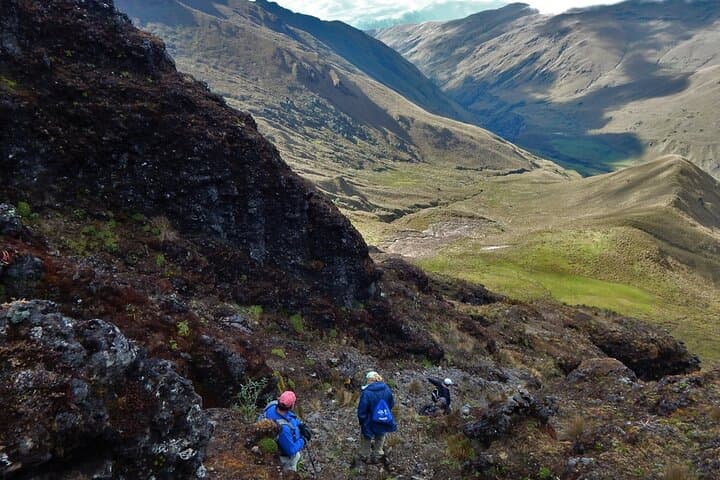
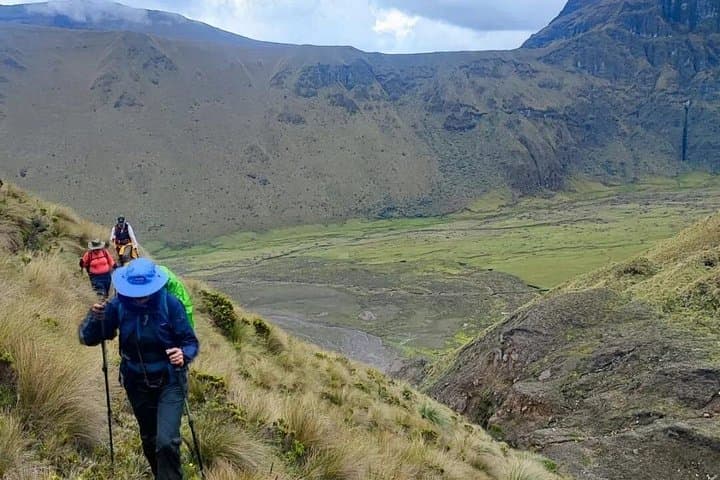
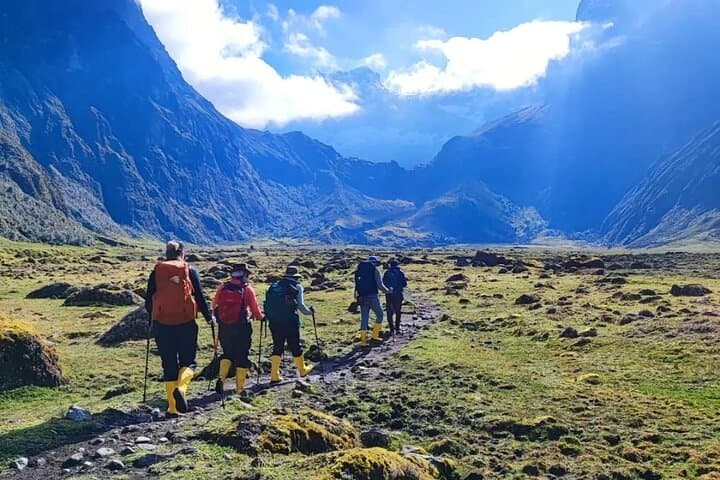
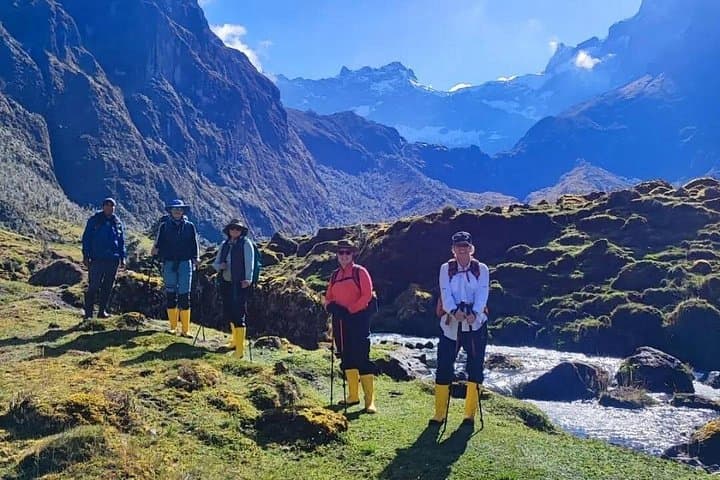
You step off the minivan and the páramo hits you like a cool, moving wall — wind polishing the grasses, distant peaks scalloped in cloud. The road from Quito fades; ahead, seven jagged summits form a collapsed crown around a bright, high‑altitude crater. Over five days you move through horse tracks, glacial creeks and fields of low, tough plants that seem to lean into the breeze.
You step off the minivan and the páramo hits you like a cool, moving wall — wind polishing the grasses, distant peaks scalloped in cloud. The road from Quito fades; ahead, seven jagged summits form a collapsed crown around a bright, high‑altitude crater. Over five days you move through horse tracks, glacial creeks and fields of low, tough plants that seem to lean into the breeze.
The Altar massif is a caldera: a volcano that imploded and left seven named peaks—Los Frailes, El Canónigo, La Monja Mayor, La Monja Menor, El Tabernáculo, El Obispo and El Acólito—ringing Laguna Amarilla. Geologically recent glacial sculpting and eruptions shaped the amphitheater you’ll walk into; culturally, local communities have long used the valleys for grazing and mountain rites tied to Pachamama.
Expect muddy, sometimes steep tracks across wet paramo, with sudden exposure to sun, wind and thin air — this is 4,200–4,800 m terrain. Guides use horses and mules to ferry gear; nights are in simple basecamp accommodation. Wildlife is subtle: Andean lapwings and deer may appear at dawn; condors and hawks ride the thermals above.
Practical edge: allow two days in Quito to acclimatize, pack a waterproof shell and warm insulation, and keep a slow pace uphill. Carry electrolytes, use sun protection, and leave nothing behind—the páramo recovers slowly. With steady fitness and respect for altitude, the reward is a raw crater lake, cobalt lagoons and an intimate look at Ecuador’s high Andes.