THE ADVENTURE COLLECTIVE® · Independent discovery and booking for outdoor travel

A remote 10-day trek through Mongolia’s Altai Tavan Bogd combines high passes, a 4,050 m ascent of Malchin Peak, glacial views and stays with Kazakh and Tuvan nomads—expect long days, river fords and simple tent camps.
A remote 10-day trek through Mongolia’s Altai Tavan Bogd combines high passes, a 4,050 m ascent of Malchin Peak, glacial views and stays with Kazakh and Tuvan nomads—expect long days, river fords and simple tent camps.
A wind-swept plain opens to a ragged wall of rock and ice—the Altai Tavan Bogd massif rising like a hard-won place on the map. You arrive through endless steppe and six hours of rough 4x4 from Ölgii, drop into a tented camp, and wake to the distant outline of Mt. Khüiten and the Potanin Glacier. The air is thin, the ground often gravel and scree, and the trails move between river-cut valleys and high passes.
Verified experiences and guided adventures in the surrounding area.
Operated by Dauren · Olgii, Bayan-Ölgii Province
A wind-swept plain opens to a ragged wall of rock and ice—the Altai Tavan Bogd massif rising like a hard-won place on the map. You arrive through endless steppe and six hours of rough 4x4 from Ölgii, drop into a tented camp, and wake to the distant outline of Mt. Khüiten and the Potanin Glacier. The air is thin, the ground often gravel and scree, and the trails move between river-cut valleys and high passes.
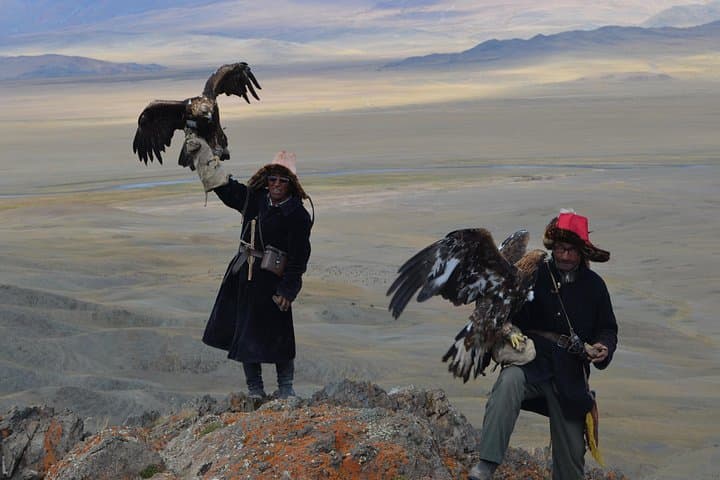
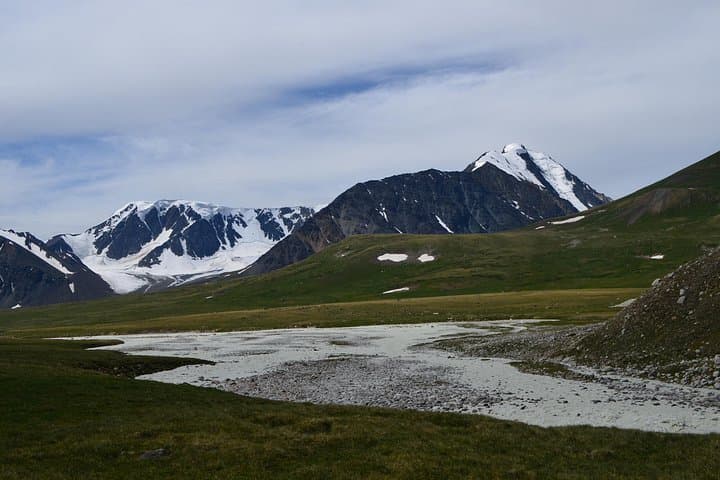
This itinerary threads natural history and living culture: Tavan Bogd sits where Mongolian, Russian and Kazakh landscapes meet, shaped by glacial carve and mineral-rich rivers (the White River’s color is from suspended rock flour). For centuries Tuvan and Kazakh nomads have moved summer camps here; eagle hunters still train birds on ridge lines. The route hits base camp, a 4,050 m ascent up Malchin Peak (6–7 hours roundtrip), Takhilt Pass, Bear Valley, Khoton Lake and waterfalls—each section alternating alpine tundra, moraines and river crossings.
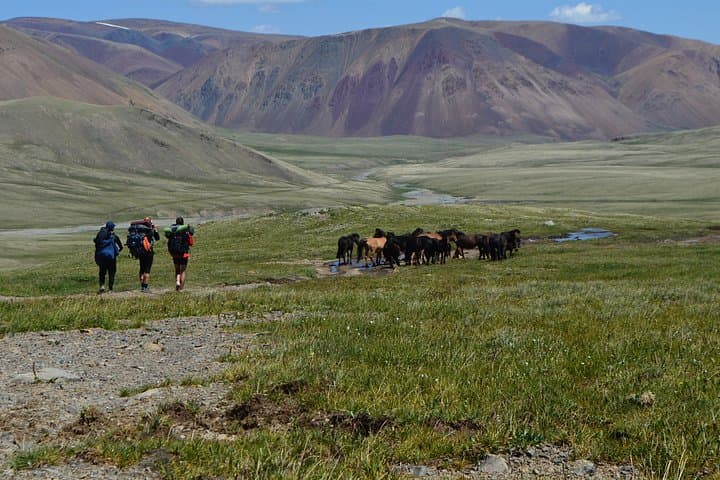
Practical edge: camps are basic but well-run, camels carry gear, and guides choose safer ford lines where bridges don’t exist. Expect long hiking days, sharp weather swings, and simple yurt hospitality. Bring a cold-rated sleeping bag, waterproof boots, layered clothing and patience for slow travel. Hydrate, pace climbs to manage altitude, and follow local etiquette when visiting families; a small gift is appreciated. For an unforgettable high-mountain trek, plan for solid fitness, flexible timing and respect for a fragile alpine environment.
challenging.
10 days.
Good cardio and leg strength for consecutive 4–8 hour hiking days and a 6–7 hour summit day
No technical gear is required for the standard Malchin route—good waterproof boots and basic scrambling comfort suffice; guides assess snow near the summit and adjust plans.
National Park fees are typically included in organized tours, but confirm with the operator; private travel may require permits obtained before entry.
No—glacial and mineral-rich rivers like the White River are not potable without filtration; carry a filter or boil water and use carried supplies between camps.
Camels transport main baggage and camp equipment; on trekking days you carry a daypack with water, lunch, warm layers and rain protection.
The Altai region is a crossroads where Mongolian steppe culture meets Kazakh and Tuvan traditions; eagle hunting and transhumant herding remain active cultural practices.
Alpine tundra and glacial systems are fragile—stick to campsites, pack out waste, and follow ranger and guide instructions to minimize erosion and disturbance.
Dauren operates guided outdoor trips and adventures with an emphasis on safety, stewardship, and memorable experiences.
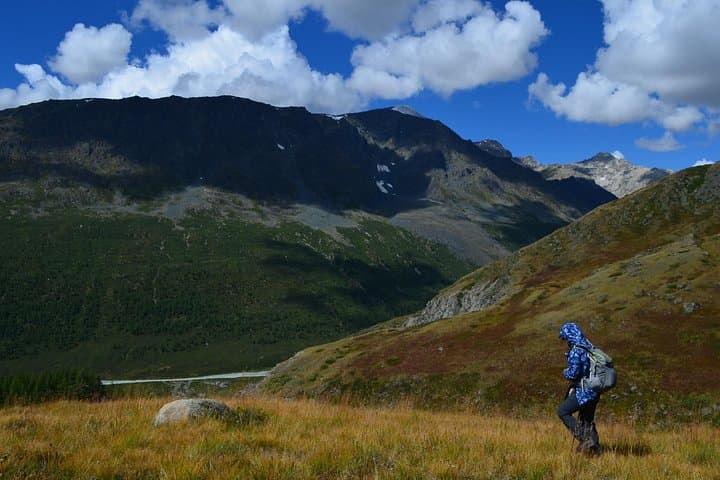
A wind-swept plain opens to a ragged wall of rock and ice—the Altai Tavan Bogd massif rising like a hard-won place on the map. You arrive through endless steppe and six hours of rough 4x4 from Ölgii, drop into a tented camp, and wake to the distant outline of Mt. Khüiten and the Potanin Glacier. The air is thin, the ground often gravel and scree, and the trails move between river-cut valleys and high passes.
A wind-swept plain opens to a ragged wall of rock and ice—the Altai Tavan Bogd massif rising like a hard-won place on the map. You arrive through endless steppe and six hours of rough 4x4 from Ölgii, drop into a tented camp, and wake to the distant outline of Mt. Khüiten and the Potanin Glacier. The air is thin, the ground often gravel and scree, and the trails move between river-cut valleys and high passes.
This itinerary threads natural history and living culture: Tavan Bogd sits where Mongolian, Russian and Kazakh landscapes meet, shaped by glacial carve and mineral-rich rivers (the White River’s color is from suspended rock flour). For centuries Tuvan and Kazakh nomads have moved summer camps here; eagle hunters still train birds on ridge lines. The route hits base camp, a 4,050 m ascent up Malchin Peak (6–7 hours roundtrip), Takhilt Pass, Bear Valley, Khoton Lake and waterfalls—each section alternating alpine tundra, moraines and river crossings.
Practical edge: camps are basic but well-run, camels carry gear, and guides choose safer ford lines where bridges don’t exist. Expect long hiking days, sharp weather swings, and simple yurt hospitality. Bring a cold-rated sleeping bag, waterproof boots, layered clothing and patience for slow travel. Hydrate, pace climbs to manage altitude, and follow local etiquette when visiting families; a small gift is appreciated. For an unforgettable high-mountain trek, plan for solid fitness, flexible timing and respect for a fragile alpine environment.