THE ADVENTURE COLLECTIVE® · Independent discovery and booking for outdoor travel

Travelers cross glacier‑forged valleys, ride with Kazakh horsemen and camp on lake shores during this 15‑day trek in Mongolia’s Altai. Long hiking days, high passes and optional horseback sections make this a challenging, culturally rich expedition.
Travelers cross glacier‑forged valleys, ride with Kazakh horsemen and camp on lake shores during this 15‑day trek in Mongolia’s Altai. Long hiking days, high passes and optional horseback sections make this a challenging, culturally rich expedition.
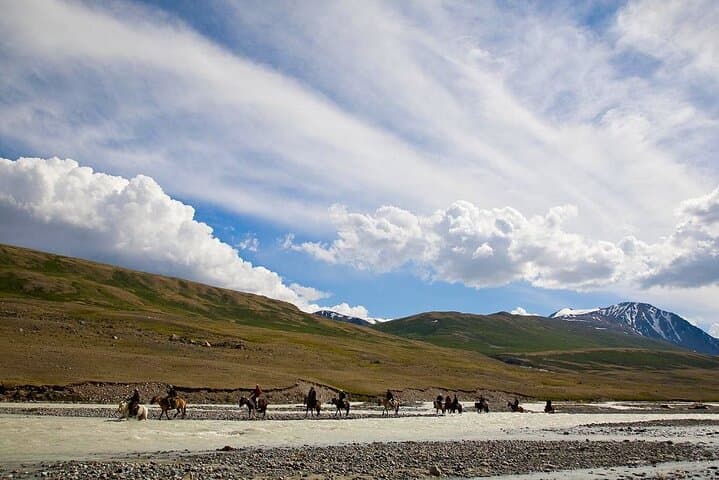
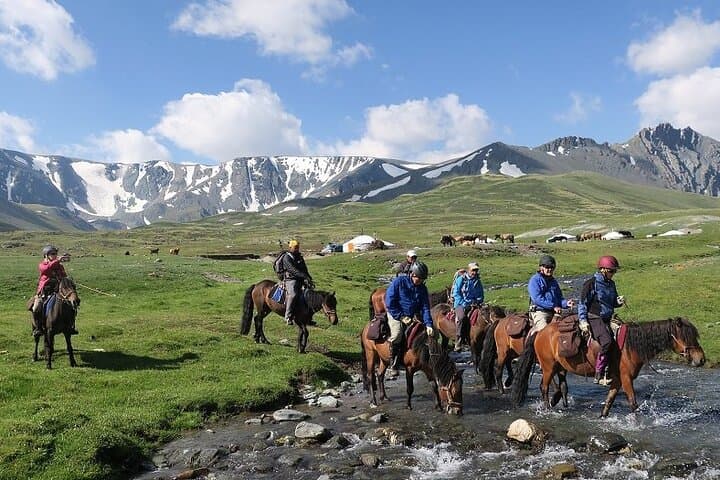
Dawn breaks across a pale mountain rim and the camp on Khoton Nuur loosens its breath. Tents steam in the cold; horses shift their weight as riders cinch up for another long day into the Altai—where glaciers hang on like slow anchors and rivers push clear, cold water through wide, grassy valleys.
Verified experiences and guided adventures in the surrounding area.
Operated by Tusker Trail Kilimanjaro Adventures · Ölgii, Bayan-Ölgii Province
Dawn breaks across a pale mountain rim and the camp on Khoton Nuur loosens its breath. Tents steam in the cold; horses shift their weight as riders cinch up for another long day into the Altai—where glaciers hang on like slow anchors and rivers push clear, cold water through wide, grassy valleys.
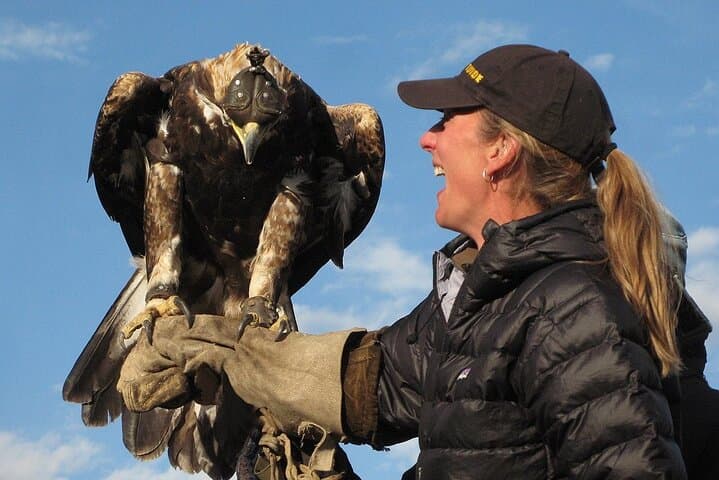
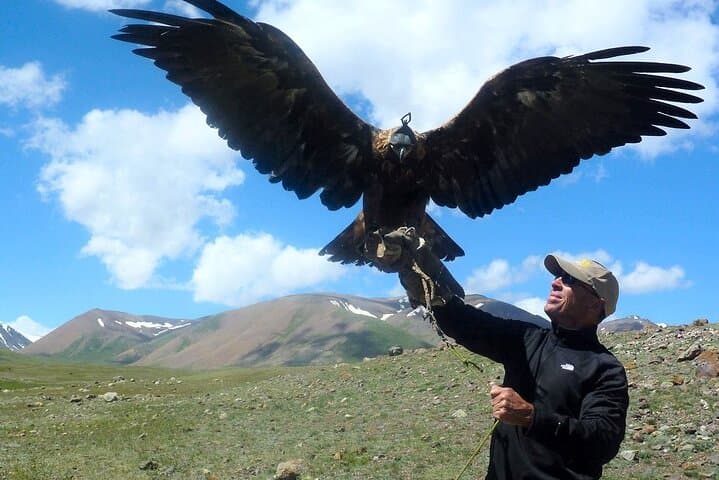
This 15‑day expedition threads together river gorges, high passes and tundra plateaus in western Mongolia’s Bayan‑Ölgii region. Geology is on display: glacial cirques, moraines and horizontal benches around Khoton Nuur record ancient lake levels and past ice advances. Culturally the area is a living nomadic landscape—Kazakh herders maintain centuries‑old practices, from ger living to eagle hunting, and local petroglyphs near Tolon Nuur connect modern riders to millennia of mountain life.
Expect 5–9 hour walking days and a toughest pass near 10,350 ft (3,150 m), with an optional climb toward the Potanin Glacier and views of Khuiten Peak (14,350 ft). The route alternates forested riverbanks, alpine meadows and exposed tundra; some crossings are wet or snow‑patched depending on weather.
Practical edge: pack a layered system, sturdy trekking boots and a lightweight saddle bag for essentials when riding. Hydrate early—altitude and dry steppe air sap energy—and keep a small day pack for summit or glacier jaunts. Riding clinics are offered; novices can join but should arrive ready for multi‑day camping and variable mountain weather. With respect for nomad camps and Leave No Trace practice, this trek is a demanding, immersive way to meet Mongolia’s mountains and people.
challenging.
15 days.
High level of cardiovascular fitness and multi‑day backpacking experience recommended; comfortable riding ability helps but is not mandatory.
No—basic riding clinics are provided and nomadic horses are steady, but riders should be comfortable mounting, balancing and following basic commands.
Expect 5–9 hour travel days with varied terrain; some days include steep ascents to ~10,350 ft and require good endurance.
Local guides typically speak Mongolian and Kazakh; trip leaders and some guides speak English—basic translation support is provided.
The mobile camp uses all‑weather tents, communal dining tents and field toilets; it’s rustic but supported with prepared meals and crew services.
The Altai region is a crossroads of Central Asian cultures; Kazakh herders have practiced mounted pastoralism and eagle hunting here for centuries, and petroglyphs attest to human presence for millennia.
This fragile alpine ecosystem is sensitive to overuse; stick to trails, avoid disturbing wildlife and follow local guidance on waste management to minimize impact.
Tusker Trail Kilimanjaro Adventures operates guided outdoor trips and adventures with an emphasis on safety, stewardship, and memorable experiences.
Dawn breaks across a pale mountain rim and the camp on Khoton Nuur loosens its breath. Tents steam in the cold; horses shift their weight as riders cinch up for another long day into the Altai—where glaciers hang on like slow anchors and rivers push clear, cold water through wide, grassy valleys.
Dawn breaks across a pale mountain rim and the camp on Khoton Nuur loosens its breath. Tents steam in the cold; horses shift their weight as riders cinch up for another long day into the Altai—where glaciers hang on like slow anchors and rivers push clear, cold water through wide, grassy valleys.
This 15‑day expedition threads together river gorges, high passes and tundra plateaus in western Mongolia’s Bayan‑Ölgii region. Geology is on display: glacial cirques, moraines and horizontal benches around Khoton Nuur record ancient lake levels and past ice advances. Culturally the area is a living nomadic landscape—Kazakh herders maintain centuries‑old practices, from ger living to eagle hunting, and local petroglyphs near Tolon Nuur connect modern riders to millennia of mountain life.
Expect 5–9 hour walking days and a toughest pass near 10,350 ft (3,150 m), with an optional climb toward the Potanin Glacier and views of Khuiten Peak (14,350 ft). The route alternates forested riverbanks, alpine meadows and exposed tundra; some crossings are wet or snow‑patched depending on weather.
Practical edge: pack a layered system, sturdy trekking boots and a lightweight saddle bag for essentials when riding. Hydrate early—altitude and dry steppe air sap energy—and keep a small day pack for summit or glacier jaunts. Riding clinics are offered; novices can join but should arrive ready for multi‑day camping and variable mountain weather. With respect for nomad camps and Leave No Trace practice, this trek is a demanding, immersive way to meet Mongolia’s mountains and people.