THE ADVENTURE COLLECTIVE® · Independent discovery and booking for outdoor travel

Spend a full day on Alsace’s famed wine route from Colmar, visiting Riquewihr, Eguisheim, Hunawihr and Kaysersberg with cellar tastings and a hands-on perfume workshop. This private tour blends village walks, winemaker insights and a sensory fragrance session.
Spend a full day on Alsace’s famed wine route from Colmar, visiting Riquewihr, Eguisheim, Hunawihr and Kaysersberg with cellar tastings and a hands-on perfume workshop. This private tour blends village walks, winemaker insights and a sensory fragrance session.
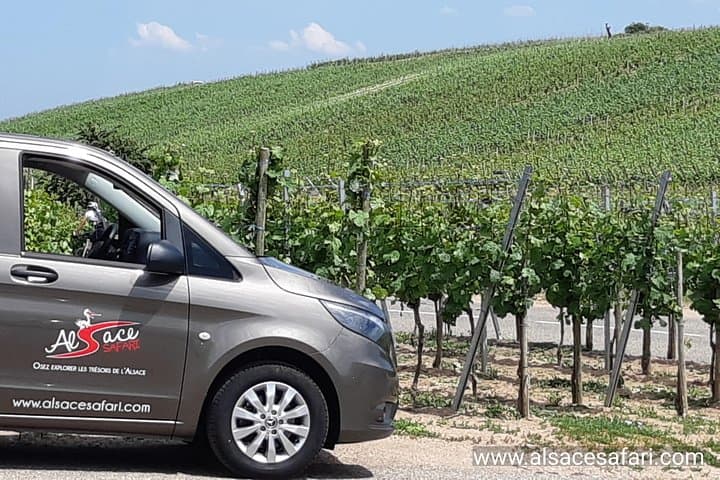
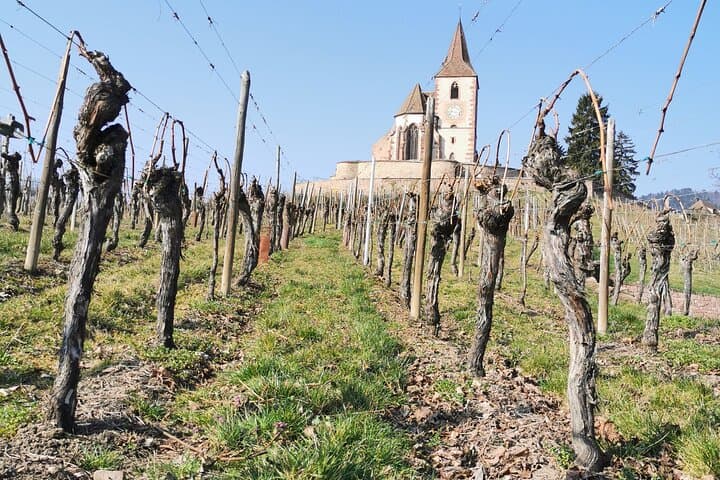
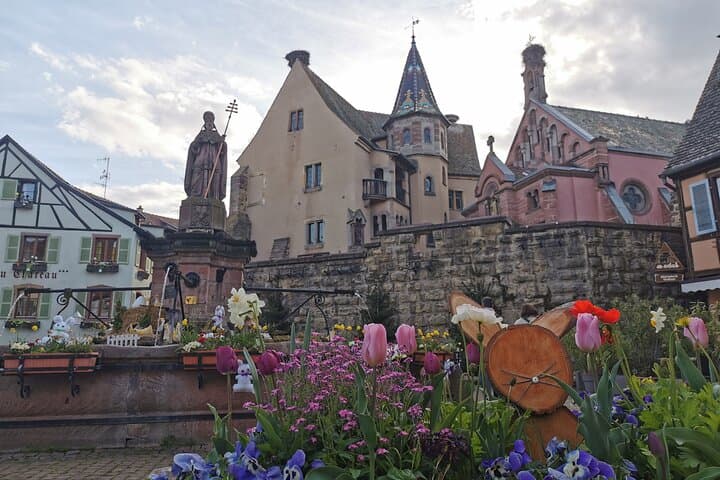
The minivan slips away from Colmar just after dawn, vineyards rolling like green ridges toward the Vosges. Church spires and half-timbered houses puncture the skyline; storks stand sentinel on chimney stacks. Over the next eight to nine hours the road threads between Riquewihr, Eguisheim, Hunawihr and Kaysersberg — villages that feel deliberately preserved, their cobbles and fortified bridges daring you to slow down.
Verified experiences and guided adventures in the surrounding area.
Operated by Alsace Safari · Colmar, Grand Est
The minivan slips away from Colmar just after dawn, vineyards rolling like green ridges toward the Vosges. Church spires and half-timbered houses puncture the skyline; storks stand sentinel on chimney stacks. Over the next eight to nine hours the road threads between Riquewihr, Eguisheim, Hunawihr and Kaysersberg — villages that feel deliberately preserved, their cobbles and fortified bridges daring you to slow down.
Alsace’s wine route grew from Roman and medieval vineyards; the region’s soils — granite in the north, limestone and marl toward the south — shape distinct Alsatian wines and the small-scale terroirs you’ll taste. The villages reflect a layered history: medieval fortifications, German and French architectural influence, and an agricultural culture still driven by family-run domaines.
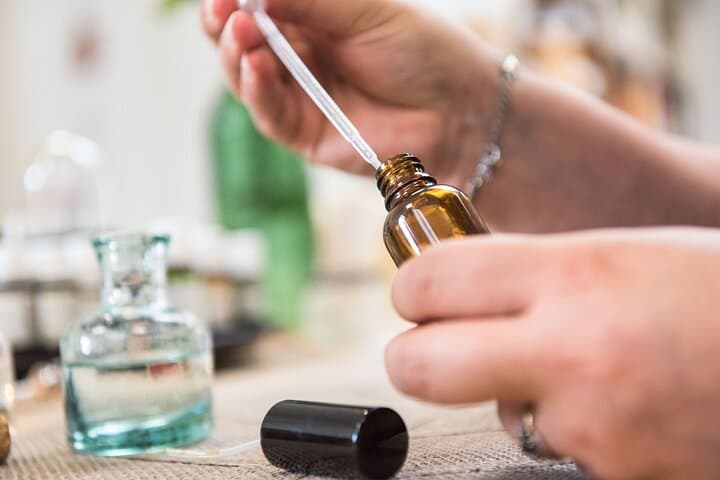
Midday brings a cellar visit where a winemaker explains fermentation and varietal character before guided tastings; expect Riesling, Gewürztraminer and Pinot Gris in small glasses and clear notes about pairing. The tour ends at a perfume workshop where local materials — Vosges fir, geranium, chamomile, orange blossom — are used to build a 15 ml bespoke fragrance. No prior knowledge is required; the process emphasizes scent associations and simple blending rules.
Practical notes: the day is long but low-impact — short village walks, cobbled streets and occasional stairs. Confirm booking in advance (workshop spots are limited), wear sturdy walking shoes, carry a refillable bottle and pace wine tastings. Departure is 9:00 a.m. from Colmar with a return around 6:00 p.m.; bring a light layer for changing mountain breezes and expect photo stops at classic viewpoints.
easy.
8–9 hours.
Suitable for most fitness levels; involves short, mostly easy village walks and standing during tastings.
No experience required—workshop leaders guide you through scent selection and blending to create a 15 ml personalized fragrance.
Yes, wine tastings at an independent winemaker are included; French law requires a minimum drinking age (18 in most cases) and ID may be requested.
The tour is easy—mostly seated transfers with short walks through village streets; cobbles and steps mean mobility limitations should be discussed in advance.
The operator confirms availability manually; if the workshop is unavailable they may offer an alternate schedule or modify the itinerary—confirm before arrival.
The Alsace wine route grew from medieval and Roman viticulture; many villages retain fortified architecture reflecting centuries of Franco-German influence.
Vineyards here are managed on small plots—supporting independent domaines helps preserve varied local landscapes; respect private property and follow leave-no-trace principles.
Alsace Safari operates guided outdoor trips and adventures with an emphasis on safety, stewardship, and memorable experiences.
The minivan slips away from Colmar just after dawn, vineyards rolling like green ridges toward the Vosges. Church spires and half-timbered houses puncture the skyline; storks stand sentinel on chimney stacks. Over the next eight to nine hours the road threads between Riquewihr, Eguisheim, Hunawihr and Kaysersberg — villages that feel deliberately preserved, their cobbles and fortified bridges daring you to slow down.
The minivan slips away from Colmar just after dawn, vineyards rolling like green ridges toward the Vosges. Church spires and half-timbered houses puncture the skyline; storks stand sentinel on chimney stacks. Over the next eight to nine hours the road threads between Riquewihr, Eguisheim, Hunawihr and Kaysersberg — villages that feel deliberately preserved, their cobbles and fortified bridges daring you to slow down.
Alsace’s wine route grew from Roman and medieval vineyards; the region’s soils — granite in the north, limestone and marl toward the south — shape distinct Alsatian wines and the small-scale terroirs you’ll taste. The villages reflect a layered history: medieval fortifications, German and French architectural influence, and an agricultural culture still driven by family-run domaines.
Midday brings a cellar visit where a winemaker explains fermentation and varietal character before guided tastings; expect Riesling, Gewürztraminer and Pinot Gris in small glasses and clear notes about pairing. The tour ends at a perfume workshop where local materials — Vosges fir, geranium, chamomile, orange blossom — are used to build a 15 ml bespoke fragrance. No prior knowledge is required; the process emphasizes scent associations and simple blending rules.
Practical notes: the day is long but low-impact — short village walks, cobbled streets and occasional stairs. Confirm booking in advance (workshop spots are limited), wear sturdy walking shoes, carry a refillable bottle and pace wine tastings. Departure is 9:00 a.m. from Colmar with a return around 6:00 p.m.; bring a light layer for changing mountain breezes and expect photo stops at classic viewpoints.