THE ADVENTURE COLLECTIVE® · Independent discovery and booking for outdoor travel

A full-day guided ascent from the Alpino lodge to Pico del Águila traverses pine forest, high meadows and volcanic scree, finishing with sweeping views over Mexico City. Plan for altitude, rocky trail sections and a roughly 9-hour round trip.
A full-day guided ascent from the Alpino lodge to Pico del Águila traverses pine forest, high meadows and volcanic scree, finishing with sweeping views over Mexico City. Plan for altitude, rocky trail sections and a roughly 9-hour round trip.
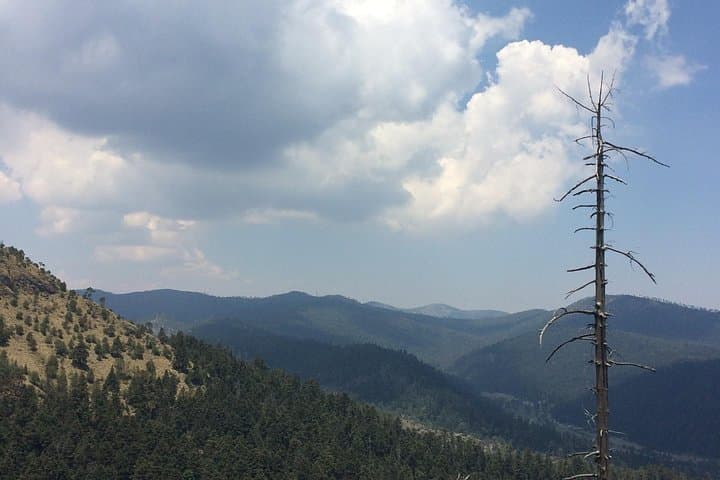
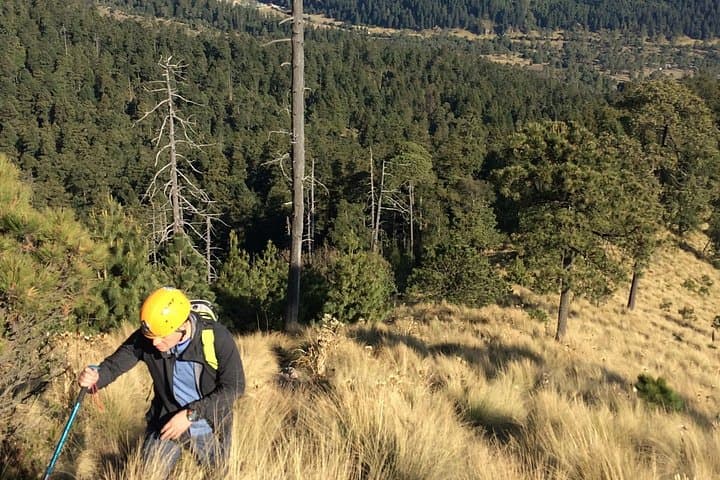
A pre-dawn shuttle drops you at the Alpino lodge and the forest claims the first light—pine trunks dark as columns, the air thin and smelling of resin. You step onto the trail that threads through conifers, then onto a high plain that opens a line of sight across Mexico City; the skyline sits low, distant and shimmering, while the wind at the summit dares you forward.
Verified experiences and guided adventures in the surrounding area.
Operated by México Travesías · Mexico City, Ciudad de México
A pre-dawn shuttle drops you at the Alpino lodge and the forest claims the first light—pine trunks dark as columns, the air thin and smelling of resin. You step onto the trail that threads through conifers, then onto a high plain that opens a line of sight across Mexico City; the skyline sits low, distant and shimmering, while the wind at the summit dares you forward.
Geologically Ajusco is an extinct volcanic massif on the southern rim of the Valley of Mexico; Pico del Águila is one of its higher knobs, sitting near the 3,900 m band that defines the high plateau. The slopes alternate between deep volcanic soils and loose scoria, and the route crosses forest, open meadows, and rocky scree. Culturally the area has long provided timber, grazing and water sources for nearby communities and today is a favored training ground for Mexico City hikers and climbers.
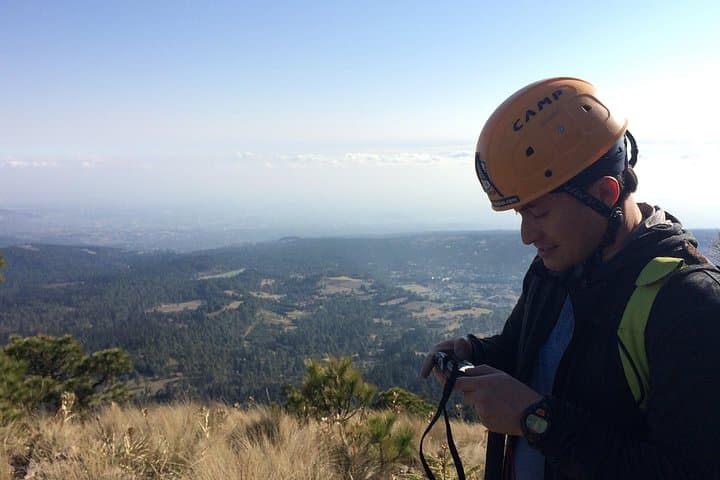
Expect an all-day outing: roughly 8–12 km round-trip with 600–900 m of ascent depending on your start, and up to about 9 hours on guided itineraries. Pace yourself for altitude; start early to avoid afternoon weather and to take advantage of clearer views. Practical notes: sturdy boots, layered clothing and 2–3 liters of water are essential; helmets are commonly issued on guided ascents and snacks or a boxed lunch are usually included. Stay on established trails to protect delicate high-elevation vegetation, watch for sudden winds near the summit, and allow time for photography at the mirador—on clear days the city and surrounding volcanic ridges present an expansive, rugged panorama.
challenging.
8–10 hours (guided).
Good cardiovascular fitness and comfort with sustained uphill hiking at high altitude; previous day hikes at elevation recommended
For a fit hiker the route is challenging due to length and altitude rather than technical sections; expect sustained climbs, loose volcanic rock, and up to 600–900 m of elevation gain.
Yes—Pico del Águila approaches ~3,900 m. Acclimatize in Mexico City, hydrate, move at a steady pace, and inform guides if you feel symptoms.
Typical group departures include a guide, helmet if needed, snacks and a boxed lunch; check your booking for exact inclusions and pickup details.
Most guided trips include transport from central Mexico City; independent travelers can reach the Alpino lodge area by car or arranged taxi, but expect unpaved access roads.
Ajusco is an extinct volcanic massif on the southern edge of the Valley of Mexico; its slopes have long been used by local communities for grazing, timber and watershed services.
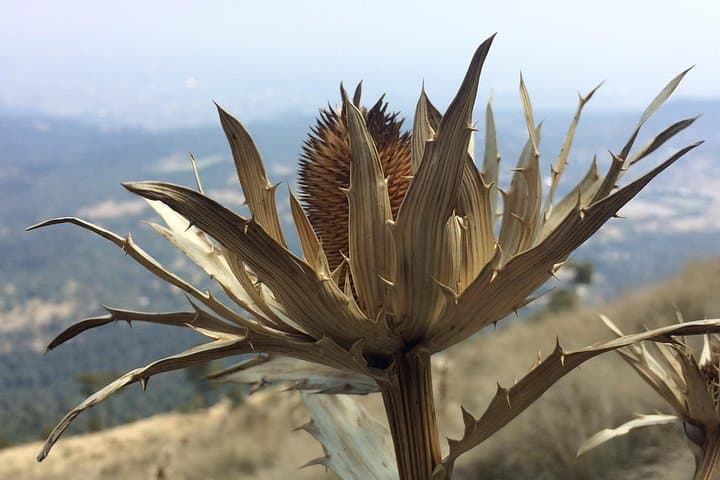
High-elevation pine and grassland habitats are fragile—wildfire risk and trail erosion are ongoing issues, so stick to paths, avoid open fires, and pack out waste.
México Travesías operates guided outdoor trips and adventures with an emphasis on safety, stewardship, and memorable experiences.
A pre-dawn shuttle drops you at the Alpino lodge and the forest claims the first light—pine trunks dark as columns, the air thin and smelling of resin. You step onto the trail that threads through conifers, then onto a high plain that opens a line of sight across Mexico City; the skyline sits low, distant and shimmering, while the wind at the summit dares you forward.
A pre-dawn shuttle drops you at the Alpino lodge and the forest claims the first light—pine trunks dark as columns, the air thin and smelling of resin. You step onto the trail that threads through conifers, then onto a high plain that opens a line of sight across Mexico City; the skyline sits low, distant and shimmering, while the wind at the summit dares you forward.
Geologically Ajusco is an extinct volcanic massif on the southern rim of the Valley of Mexico; Pico del Águila is one of its higher knobs, sitting near the 3,900 m band that defines the high plateau. The slopes alternate between deep volcanic soils and loose scoria, and the route crosses forest, open meadows, and rocky scree. Culturally the area has long provided timber, grazing and water sources for nearby communities and today is a favored training ground for Mexico City hikers and climbers.
Expect an all-day outing: roughly 8–12 km round-trip with 600–900 m of ascent depending on your start, and up to about 9 hours on guided itineraries. Pace yourself for altitude; start early to avoid afternoon weather and to take advantage of clearer views. Practical notes: sturdy boots, layered clothing and 2–3 liters of water are essential; helmets are commonly issued on guided ascents and snacks or a boxed lunch are usually included. Stay on established trails to protect delicate high-elevation vegetation, watch for sudden winds near the summit, and allow time for photography at the mirador—on clear days the city and surrounding volcanic ridges present an expansive, rugged panorama.