THE ADVENTURE COLLECTIVE® · Independent discovery and booking for outdoor travel

Ride the Hungerburg funicular from Innsbruck and step into Europe’s highest zoo, where alpine mammals and birds inhabit terraced cliffs above the city. This short, accessible outing pairs quick mountain transit with focused wildlife exhibits and views.
Ride the Hungerburg funicular from Innsbruck and step into Europe’s highest zoo, where alpine mammals and birds inhabit terraced cliffs above the city. This short, accessible outing pairs quick mountain transit with focused wildlife exhibits and views.
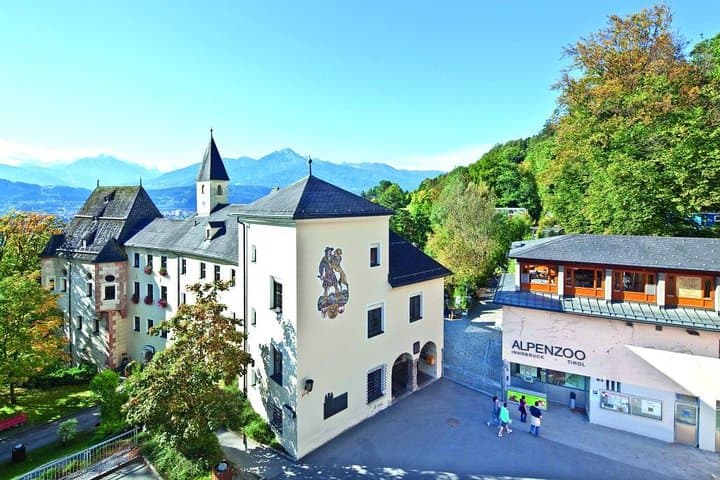
The funicular hums away from Innsbruck’s Station Congress and in five minutes elevates you out of the city into a thinner air where the alpine world begins to take shape. At the Hungerburg stop, the path steepens and pines lean in; the zoo spreads over terraces and cliffs, and eagles and lynx watch as visitors move between enclosures.
Verified experiences and guided adventures in the surrounding area.
Operated by Alpenzoo Innsbruck - Tirol · Innsbruck, Tyrol
The funicular hums away from Innsbruck’s Station Congress and in five minutes elevates you out of the city into a thinner air where the alpine world begins to take shape. At the Hungerburg stop, the path steepens and pines lean in; the zoo spreads over terraces and cliffs, and eagles and lynx watch as visitors move between enclosures.
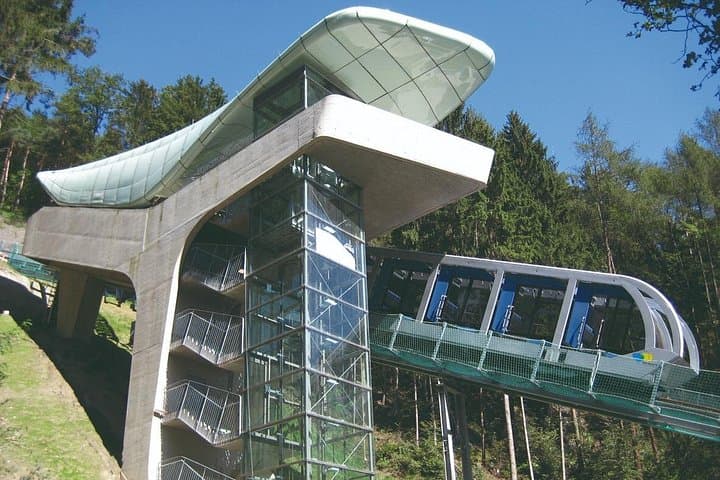
The Alpine Zoo opened in the mid‑20th century to showcase species adapted to the Alps; its location at about 750 meters makes it Europe’s highest zoo and lends a clear geological lesson—rock outcrops, steep talus and mixed mountain forests frame many exhibits. The Hungerburgbahn itself is a short piece of local transit history, built to connect the city to its northern ridge and now a convenient lift to the hillside attractions.
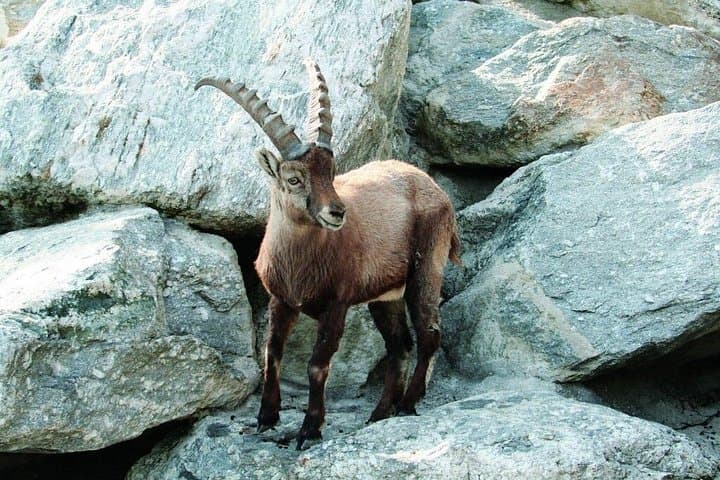
Expect compact, well‑signed trails rather than long hikes: most routes are paved or hardpack but can be steep in places. Displays focus on regional mammals and birds—wolves, lynx, eagles—alongside a petting area with farm breeds common to Tyrol. Panels explain alpine ecology and traditional land uses; seasonal births in spring make that a lively time to visit.
Practicalities: redeem tickets at Station Congress only; allow about two hours for a relaxed visit including the round‑trip funicular. Wear comfortable shoes for short climbs, bring water and a light layer (ridge winds can be cool even on sunny days). The site is largely wheelchair accessible near the entrance but some upper paths are steep. Combine this outing with a stroll through central Innsbruck for a compact half‑day that pairs wildlife viewing with mountain transport history.
easy.
2 hours.
Suitable for most fitness levels; involves short uphill walks and stairs
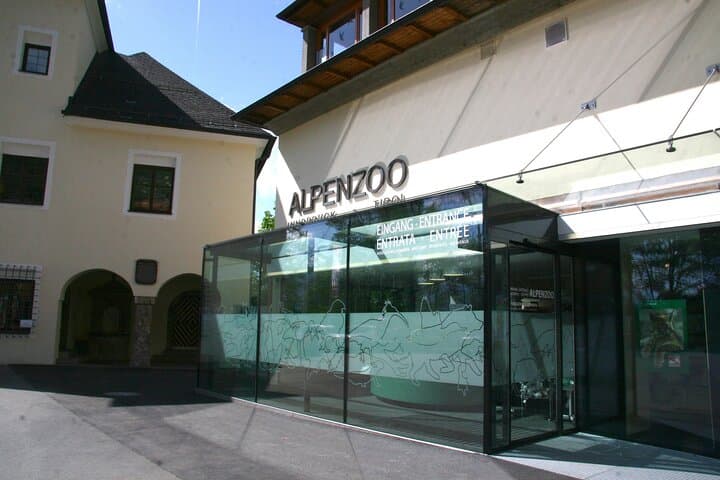
Tickets must be redeemed at Station Congress in Innsbruck; the zoo entrance does not process redemption.
Many paths and exhibits near the entrance are wheelchair accessible, but some upper sections are steep and may be challenging.
Allow about two hours for the funicular round‑trip and a relaxed visit of the zoo; more time if you want to linger at viewpoints.
Children under 4 are free, but check current policy at purchase as terms can change.
The zoo was founded in the 1960s to highlight alpine fauna and sits along the Hungerburgbahn corridor which historically linked Innsbruck to its northern ridgeline.
The zoo emphasizes regional conservation and education, focusing on species adapted to alpine environments and sustainable care practices.
Alpenzoo Innsbruck - Tirol operates guided outdoor trips and adventures with an emphasis on safety, stewardship, and memorable experiences.
The funicular hums away from Innsbruck’s Station Congress and in five minutes elevates you out of the city into a thinner air where the alpine world begins to take shape. At the Hungerburg stop, the path steepens and pines lean in; the zoo spreads over terraces and cliffs, and eagles and lynx watch as visitors move between enclosures.
The funicular hums away from Innsbruck’s Station Congress and in five minutes elevates you out of the city into a thinner air where the alpine world begins to take shape. At the Hungerburg stop, the path steepens and pines lean in; the zoo spreads over terraces and cliffs, and eagles and lynx watch as visitors move between enclosures.
The Alpine Zoo opened in the mid‑20th century to showcase species adapted to the Alps; its location at about 750 meters makes it Europe’s highest zoo and lends a clear geological lesson—rock outcrops, steep talus and mixed mountain forests frame many exhibits. The Hungerburgbahn itself is a short piece of local transit history, built to connect the city to its northern ridge and now a convenient lift to the hillside attractions.
Expect compact, well‑signed trails rather than long hikes: most routes are paved or hardpack but can be steep in places. Displays focus on regional mammals and birds—wolves, lynx, eagles—alongside a petting area with farm breeds common to Tyrol. Panels explain alpine ecology and traditional land uses; seasonal births in spring make that a lively time to visit.
Practicalities: redeem tickets at Station Congress only; allow about two hours for a relaxed visit including the round‑trip funicular. Wear comfortable shoes for short climbs, bring water and a light layer (ridge winds can be cool even on sunny days). The site is largely wheelchair accessible near the entrance but some upper paths are steep. Combine this outing with a stroll through central Innsbruck for a compact half‑day that pairs wildlife viewing with mountain transport history.