THE ADVENTURE COLLECTIVE® · Independent discovery and booking for outdoor travel

A 13-day circuit around Alpamayo that pairs high-altitude camping and technical passes with a community-supported acclimatizing day. Expect sustained hikes above 4,000 m, dramatic views of glacial lakes, and a direct donation program that visits local villages.
A 13-day circuit around Alpamayo that pairs high-altitude camping and technical passes with a community-supported acclimatizing day. Expect sustained hikes above 4,000 m, dramatic views of glacial lakes, and a direct donation program that visits local villages.
A high-altitude morning light spills across serrated granite and snow as your group files out of Huaraz and into the Cordillera Blanca. The trail climbs from Cashapampa up through puna grasslands, camps at Llamacorral (3,800 m), and spends two nights near Alpamayo’s base camps where the peak’s perfect pyramid looms like a challenge in white. Over 13 days you cross multiple passes — Punta Union (4,800 m), Alto Pucajirca (4,700 m), Yanacon (4,850 m) and more — tracking glacial meltwater and blue highland lakes such as Arhueycocha and Cullicocha.
Verified experiences and guided adventures in the surrounding area.
Operated by First Class Huaraz · Huaraz, Ancash
A high-altitude morning light spills across serrated granite and snow as your group files out of Huaraz and into the Cordillera Blanca. The trail climbs from Cashapampa up through puna grasslands, camps at Llamacorral (3,800 m), and spends two nights near Alpamayo’s base camps where the peak’s perfect pyramid looms like a challenge in white. Over 13 days you cross multiple passes — Punta Union (4,800 m), Alto Pucajirca (4,700 m), Yanacon (4,850 m) and more — tracking glacial meltwater and blue highland lakes such as Arhueycocha and Cullicocha.
This route threads human stories into alpine geology: Quechua communities have shepherded these valleys for centuries, while modern mountaineers later made Alpamayo famous for its steep ice faces. The range’s granite skeleton and glacially carved cirques speak to recent uplift and rapid glacial retreat, a visible reminder of climate change.
Expect mixed terrain — mule tracks, scree, steep switchbacks and packed snow in shoulder seasons. Daily hiking often runs 6–9 hours with elevation gains of 400–800 m on pass days. Meals and two-person tents are included; one acclimatizing day is spent on a community support visit where a portion of the trip price funds local aid and you witness traditional crafts and daily life.
Practical edge: prioritize layered clothing, high-calorie snacks, and a plan for altitude (slow pace, hydration, prophylactics if advised). The dry season (June–September) offers the most stable weather; the wet season brings heavy afternoon rains and slippery trails. This trek rewards preparedness with sweeping glacial views and meaningful cultural exchange.
challenging.
13 days.
Good aerobic fitness required — regular hikers who can sustain 6–9 hour days with significant altitude gain will be comfortable.
You should be able to hike 6–9 hours per day carrying a daypack and cope with sustained elevation above 4,000 m; prior multi-day trekking experience is strongly recommended.
The dry season (June–August) offers the most reliable weather and clear views; the shoulder months (May, September) can also work but are less predictable.
No technical ice-climbing is required for the described itinerary — it’s a high-altitude trek — but some sections may have snow where basic crampon or microspike use is helpful.
The itinerary specifies meals (breakfast/lunch/dinner on most days), two-person tents, mule support and a community acclimatizing visit; confirm details with the operator before booking.
Quechua communities have long inhabited the high valleys; modern trekking routes formed as mule tracks used for trade and shepherding evolved into guided circuits in the 20th century.
The Cordillera Blanca’s glaciers are retreating rapidly; stick to established campsites, carry out all waste, and follow local guidelines to reduce impact.
First Class Huaraz operates guided outdoor trips and adventures with an emphasis on safety, stewardship, and memorable experiences.
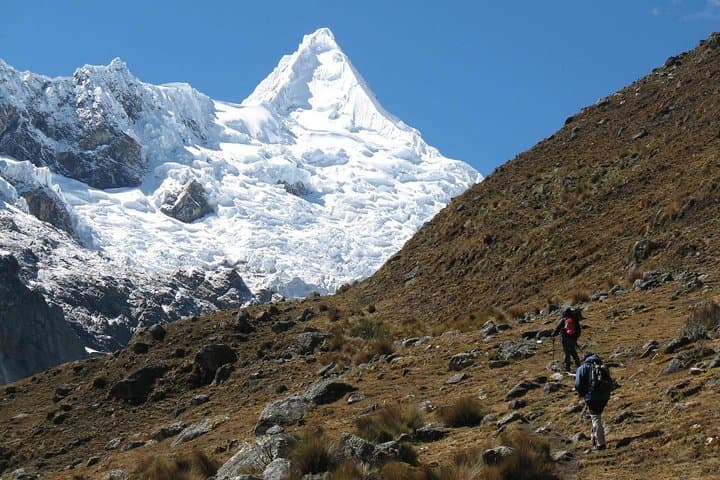
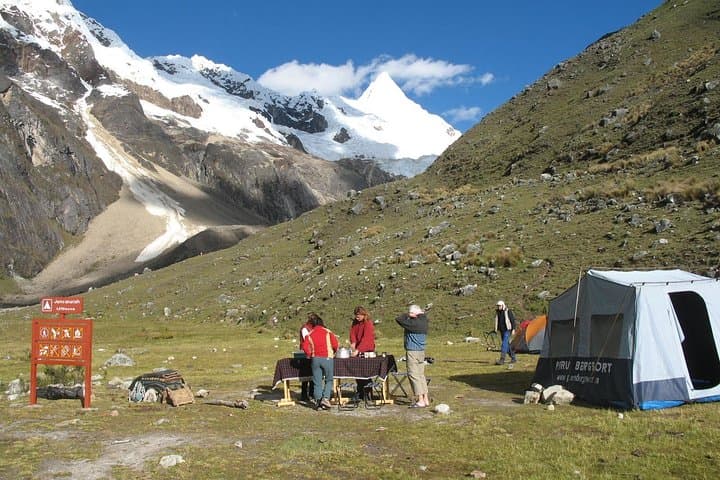
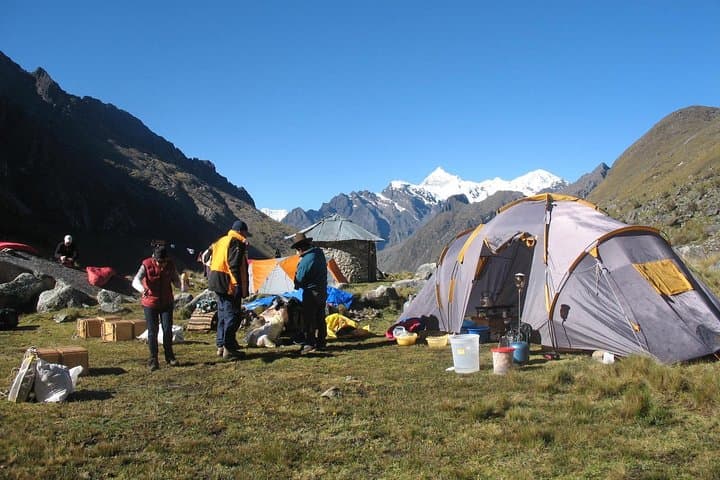
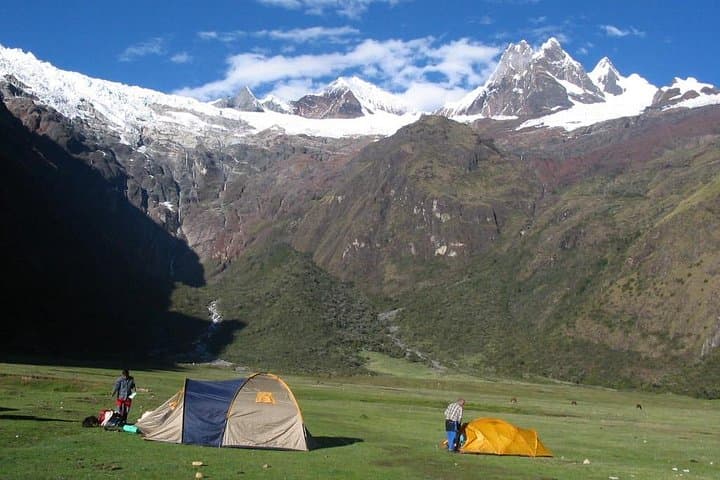
A high-altitude morning light spills across serrated granite and snow as your group files out of Huaraz and into the Cordillera Blanca. The trail climbs from Cashapampa up through puna grasslands, camps at Llamacorral (3,800 m), and spends two nights near Alpamayo’s base camps where the peak’s perfect pyramid looms like a challenge in white. Over 13 days you cross multiple passes — Punta Union (4,800 m), Alto Pucajirca (4,700 m), Yanacon (4,850 m) and more — tracking glacial meltwater and blue highland lakes such as Arhueycocha and Cullicocha.
A high-altitude morning light spills across serrated granite and snow as your group files out of Huaraz and into the Cordillera Blanca. The trail climbs from Cashapampa up through puna grasslands, camps at Llamacorral (3,800 m), and spends two nights near Alpamayo’s base camps where the peak’s perfect pyramid looms like a challenge in white. Over 13 days you cross multiple passes — Punta Union (4,800 m), Alto Pucajirca (4,700 m), Yanacon (4,850 m) and more — tracking glacial meltwater and blue highland lakes such as Arhueycocha and Cullicocha.
This route threads human stories into alpine geology: Quechua communities have shepherded these valleys for centuries, while modern mountaineers later made Alpamayo famous for its steep ice faces. The range’s granite skeleton and glacially carved cirques speak to recent uplift and rapid glacial retreat, a visible reminder of climate change.
Expect mixed terrain — mule tracks, scree, steep switchbacks and packed snow in shoulder seasons. Daily hiking often runs 6–9 hours with elevation gains of 400–800 m on pass days. Meals and two-person tents are included; one acclimatizing day is spent on a community support visit where a portion of the trip price funds local aid and you witness traditional crafts and daily life.
Practical edge: prioritize layered clothing, high-calorie snacks, and a plan for altitude (slow pace, hydration, prophylactics if advised). The dry season (June–September) offers the most stable weather; the wet season brings heavy afternoon rains and slippery trails. This trek rewards preparedness with sweeping glacial views and meaningful cultural exchange.