THE ADVENTURE COLLECTIVE® · Independent discovery and booking for outdoor travel

An 11-day, high-altitude circuit from Huaraz that circles Alpamayo’s northern base while supporting local communities. Long days and high passes reward trekkers with dramatic glacial scenery and direct cultural engagement.
An 11-day, high-altitude circuit from Huaraz that circles Alpamayo’s northern base while supporting local communities. Long days and high passes reward trekkers with dramatic glacial scenery and direct cultural engagement.
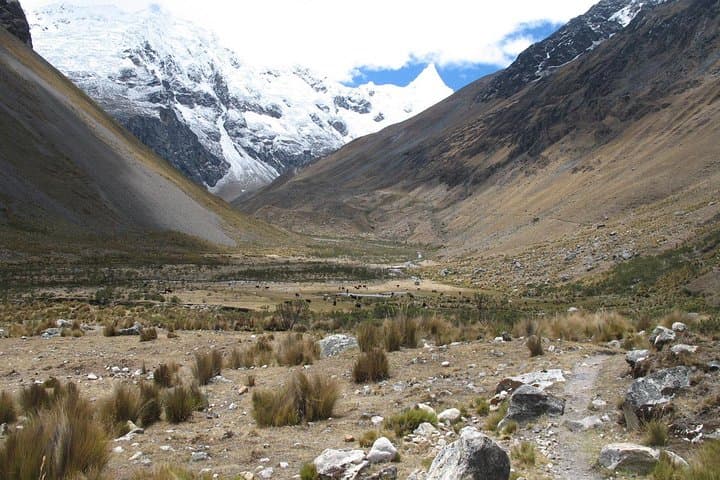
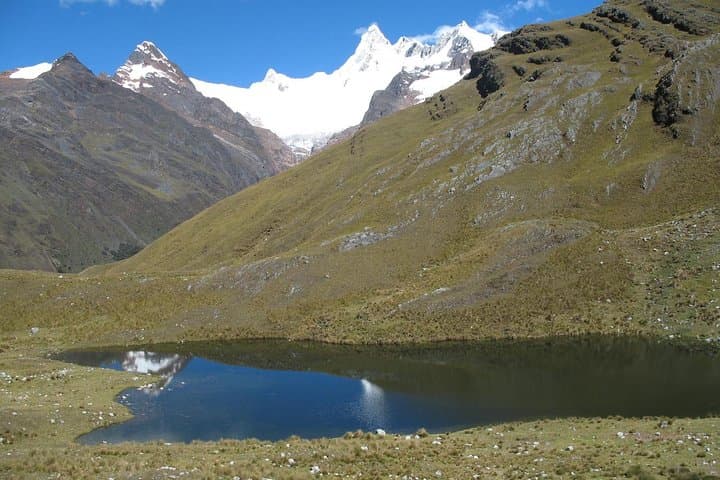
At first light the trail breathes cold air and the peaks respond: Alpamayo’s pyramidal ridges cut the sky while a scattering of condors rides the thermals above high pastures. The eleven-day circuit leaves Huaraz and moves through the raw, glaciated core of the Cordillera Blanca, shifting from green villages to wind-swept passes above 4,500 m and back to rivers that dare you to slow down.
Verified experiences and guided adventures in the surrounding area.
Operated by First Class Huaraz · Huaraz, Ancash
At first light the trail breathes cold air and the peaks respond: Alpamayo’s pyramidal ridges cut the sky while a scattering of condors rides the thermals above high pastures. The eleven-day circuit leaves Huaraz and moves through the raw, glaciated core of the Cordillera Blanca, shifting from green villages to wind-swept passes above 4,500 m and back to rivers that dare you to slow down.
The route passes traditional Quechua villages and pasturelands shaped by millennia of glaciation; moraines and cirque bowls tell the geologic story of repeated ice advances. Alpamayo gained renown in the 20th century for its steep, snow-and-ice face and for guiding culture in Ancash; this itinerary also folds in a community-support element, where a portion of fees directly assists remote families and services visited during the acclimatizing day.
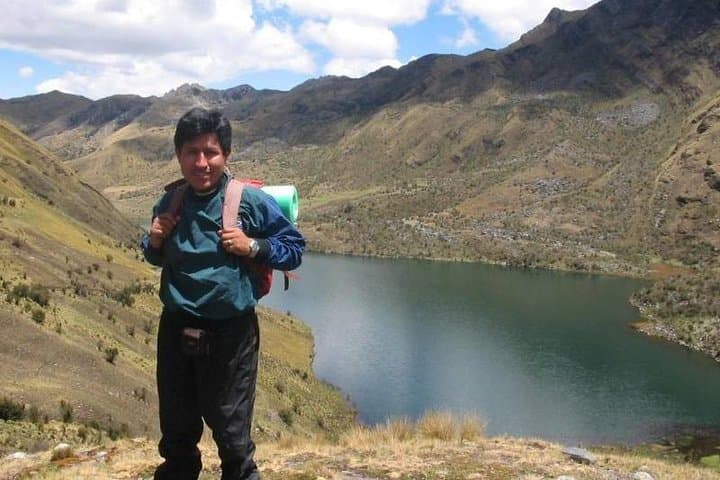
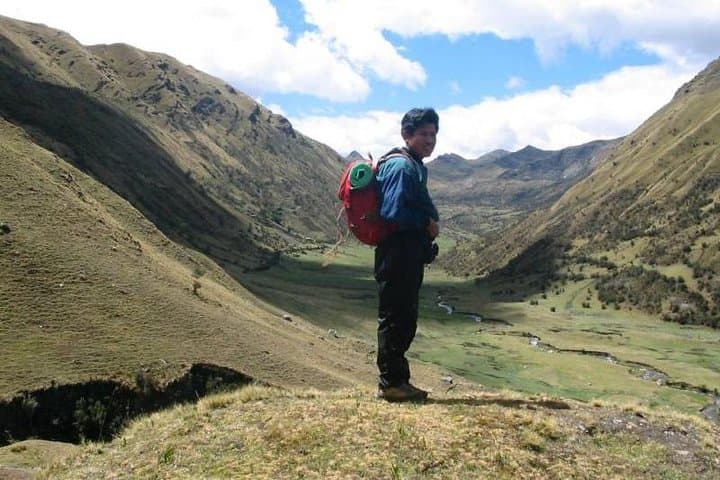
Expect high-elevation trekking across mixed terrain: mule tracks, rocky switchbacks, grassy plateaus and river valleys. Daily gains commonly reach 400–700 m with several long days near 8–12 hours on trail; the hardest passes top out around 4,850 m. Water sources are frequent but should be treated; camps are basic two-person tents. Acclimatization is built into the schedule but individual response varies — plan extra rest days in Huaraz if you have limited high-altitude experience.
Practical planning: train with back-to-back long hikes, carry layered insulation for cold nights, and time the trip for the dry season (June–August) to maximize clear views and stable weather.
difficult.
11 days.
Best for trekkers with strong cardiovascular fitness and prior multi-day high-altitude experience; able to hike 8–10 hours on uneven terrain.
No technical mountaineering skills are required for this circuit; routes are high-altitude trekking trails rather than technical climbs, though sure-footedness and experience on rough terrain help.
There is no special climbing permit for the circuit itself, but local park regulations and entrance fees to the Huascarán National Park may apply; your operator typically handles park entry logistics.
Altitude sickness is a significant risk due to repeated passes above 4,000 m; the itinerary includes acclimatizing time but monitor symptoms and be prepared to descend if needed.
Yes — the program provides group meals listed in inclusions and tents for two people; confirm whether sleeping bags or personal liners are included or if you must rent them in Huaraz.
The Cordillera Blanca has been inhabited by Quechua-speaking communities for centuries; many trails follow ancestral paths used for trade and seasonal grazing.
Huascarán National Park protects glacial and high-Andean ecosystems but faces pressure from melting glaciers and increased trekking traffic; minimize impact by packing out waste and using established campsites.
First Class Huaraz operates guided outdoor trips and adventures with an emphasis on safety, stewardship, and memorable experiences.
At first light the trail breathes cold air and the peaks respond: Alpamayo’s pyramidal ridges cut the sky while a scattering of condors rides the thermals above high pastures. The eleven-day circuit leaves Huaraz and moves through the raw, glaciated core of the Cordillera Blanca, shifting from green villages to wind-swept passes above 4,500 m and back to rivers that dare you to slow down.
At first light the trail breathes cold air and the peaks respond: Alpamayo’s pyramidal ridges cut the sky while a scattering of condors rides the thermals above high pastures. The eleven-day circuit leaves Huaraz and moves through the raw, glaciated core of the Cordillera Blanca, shifting from green villages to wind-swept passes above 4,500 m and back to rivers that dare you to slow down.
The route passes traditional Quechua villages and pasturelands shaped by millennia of glaciation; moraines and cirque bowls tell the geologic story of repeated ice advances. Alpamayo gained renown in the 20th century for its steep, snow-and-ice face and for guiding culture in Ancash; this itinerary also folds in a community-support element, where a portion of fees directly assists remote families and services visited during the acclimatizing day.
Expect high-elevation trekking across mixed terrain: mule tracks, rocky switchbacks, grassy plateaus and river valleys. Daily gains commonly reach 400–700 m with several long days near 8–12 hours on trail; the hardest passes top out around 4,850 m. Water sources are frequent but should be treated; camps are basic two-person tents. Acclimatization is built into the schedule but individual response varies — plan extra rest days in Huaraz if you have limited high-altitude experience.
Practical planning: train with back-to-back long hikes, carry layered insulation for cold nights, and time the trip for the dry season (June–August) to maximize clear views and stable weather.