THE ADVENTURE COLLECTIVE® · Independent discovery and booking for outdoor travel

Walk with friendly alpacas along historic Inca trails toward the lesser-known Machuqolqa site in the Sacred Valley. This two-hour experience from Cusco combines animal interaction with clear archaeological insight and sweeping Andean views.
Walk with friendly alpacas along historic Inca trails toward the lesser-known Machuqolqa site in the Sacred Valley. This two-hour experience from Cusco combines animal interaction with clear archaeological insight and sweeping Andean views.
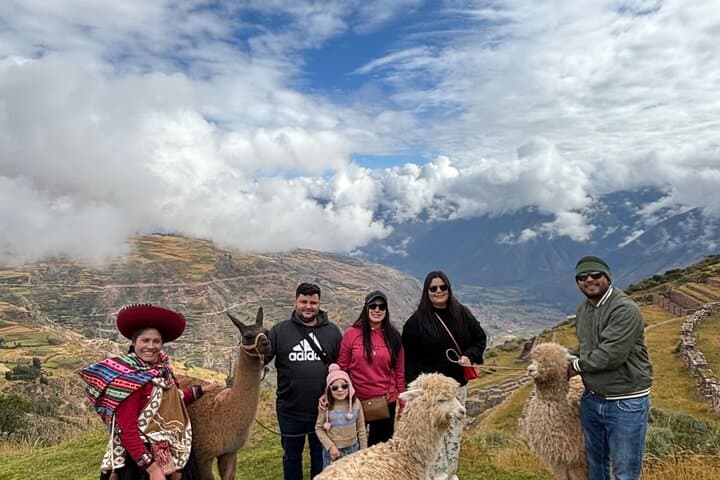
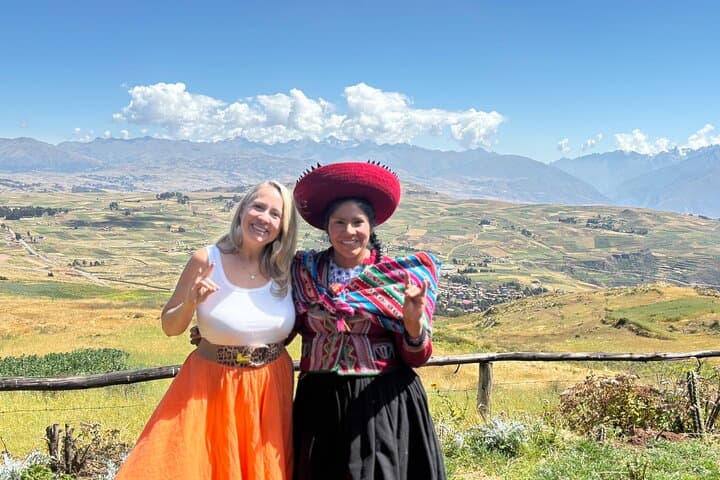
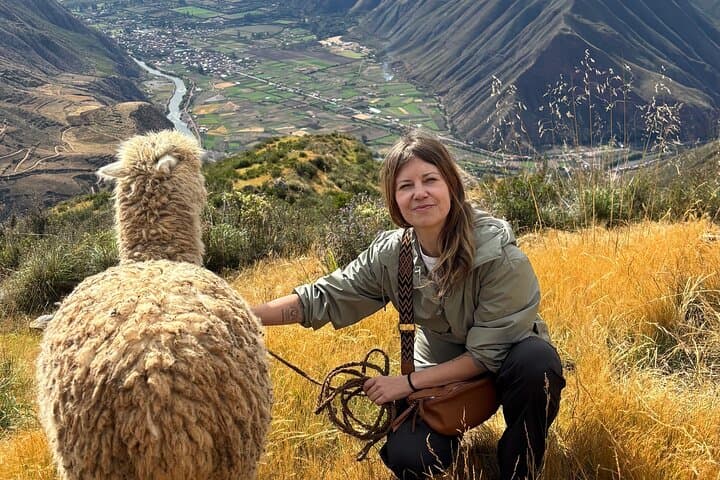
You step off the van into thin air and an open valley: wind combs grass, alpacas glance up with slow curiosity, and the Andes press a serrated skyline against the sky. The two-hour walk threads ancient paths toward Machuqolqa, where stone colcas—Inca grain stores—stand like practical sculptures on a rise, overlooking terraces and a river plain.
Verified experiences and guided adventures in the surrounding area.
Operated by Sky Dome Peru · Cusco, Cusco
You step off the van into thin air and an open valley: wind combs grass, alpacas glance up with slow curiosity, and the Andes press a serrated skyline against the sky. The two-hour walk threads ancient paths toward Machuqolqa, where stone colcas—Inca grain stores—stand like practical sculptures on a rise, overlooking terraces and a river plain.
Geology here is honest: folded volcanic and sedimentary rock carved by glaciers and rivers into the long shelf that became the Sacred Valley. Culturally the land still hums with Quechua traditions—crop rotation, textile weaving and a living relationship with camelids. Machuqolqa is quieter than Pisac or Ollantaytambo, so the stonework reads clearly: storage rooms, access ramps and defensive sightlines reveal logistics as much as ritual.
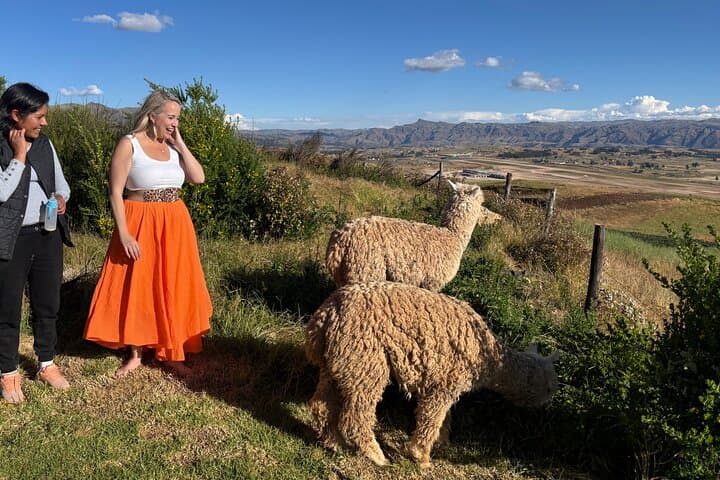
On the walk alpacas amble beside you; handlers explain care, fiber grades and local husbandry while pointing out irrigation channels and native plantings. Expect dusty trail, short steeps and open exposure—sun and wind are constant partners.
Practicalities: allow time to acclimatize in Cusco before the trek, drink steadily and keep a steady pace to 3,700–3,800 m elevations. Wear grippy shoes, sun protection and an insulating layer for sudden mountain breeze. Bring cash for small purchases at Chinchero if the itinerary passes its market.
This walk blends gentle animal interaction with tangible Inca infrastructure—an accessible way to read the Sacred Valley’s history without a major climb, provided you respect altitude and animals.
moderate.
2 hours.
Moderate fitness—able to walk 3–5 km on uneven ground at high altitude.
No—handlers lead the alpacas and give simple instructions so beginners can walk comfortably beside the animals.
Yes—the trail sits around 3,700–3,800 m; plan for acclimatization, move at a steady pace and avoid heavy exertion if you're symptomatic.
Children can usually participate but operators may restrict very young or fragile children; check age rules on booking and supervise around animals.
Typical inclusions are a local guide and alpaca interaction; confirm transfer details and any entrance fees with the provider before booking.
Machuqolqa features Inca colcas (storage buildings) that demonstrate the Empire’s agricultural logistics and community provisioning systems.
Stay on trails, avoid feeding wildlife and support local guides and artisans to ensure economic benefits remain with the community and limit disturbance.
Sky Dome Peru operates guided outdoor trips and adventures with an emphasis on safety, stewardship, and memorable experiences.
You step off the van into thin air and an open valley: wind combs grass, alpacas glance up with slow curiosity, and the Andes press a serrated skyline against the sky. The two-hour walk threads ancient paths toward Machuqolqa, where stone colcas—Inca grain stores—stand like practical sculptures on a rise, overlooking terraces and a river plain.
You step off the van into thin air and an open valley: wind combs grass, alpacas glance up with slow curiosity, and the Andes press a serrated skyline against the sky. The two-hour walk threads ancient paths toward Machuqolqa, where stone colcas—Inca grain stores—stand like practical sculptures on a rise, overlooking terraces and a river plain.
Geology here is honest: folded volcanic and sedimentary rock carved by glaciers and rivers into the long shelf that became the Sacred Valley. Culturally the land still hums with Quechua traditions—crop rotation, textile weaving and a living relationship with camelids. Machuqolqa is quieter than Pisac or Ollantaytambo, so the stonework reads clearly: storage rooms, access ramps and defensive sightlines reveal logistics as much as ritual.
On the walk alpacas amble beside you; handlers explain care, fiber grades and local husbandry while pointing out irrigation channels and native plantings. Expect dusty trail, short steeps and open exposure—sun and wind are constant partners.
Practicalities: allow time to acclimatize in Cusco before the trek, drink steadily and keep a steady pace to 3,700–3,800 m elevations. Wear grippy shoes, sun protection and an insulating layer for sudden mountain breeze. Bring cash for small purchases at Chinchero if the itinerary passes its market.
This walk blends gentle animal interaction with tangible Inca infrastructure—an accessible way to read the Sacred Valley’s history without a major climb, provided you respect altitude and animals.