THE ADVENTURE COLLECTIVE® · Independent discovery and booking for outdoor travel

Meet friendly alpacas, hand-feed them, then tour a working fiber mill to see how raw fleece becomes scarves and yarn. This 90-minute visit blends animal interaction with a hands-on look at local fiber craft.
Meet friendly alpacas, hand-feed them, then tour a working fiber mill to see how raw fleece becomes scarves and yarn. This 90-minute visit blends animal interaction with a hands-on look at local fiber craft.
You step onto a working ranch and the first thing that reaches you is the muffled shuffle of padded feet and the soft, curious faces of alpacas. The animals crowd the fence, eager for hand-feeding, their long necks and expressive eyes moving with deliberate curiosity. Behind them, a low brick-and-steel mill hums: carders and spinners turning raw fleece into yarn, and yarn into finished products on racks in the boutique.
Verified experiences and guided adventures in the surrounding area.
Operated by Tahoma Vista Fiber Mill · Seattle, Washington
You step onto a working ranch and the first thing that reaches you is the muffled shuffle of padded feet and the soft, curious faces of alpacas. The animals crowd the fence, eager for hand-feeding, their long necks and expressive eyes moving with deliberate curiosity. Behind them, a low brick-and-steel mill hums: carders and spinners turning raw fleece into yarn, and yarn into finished products on racks in the boutique.
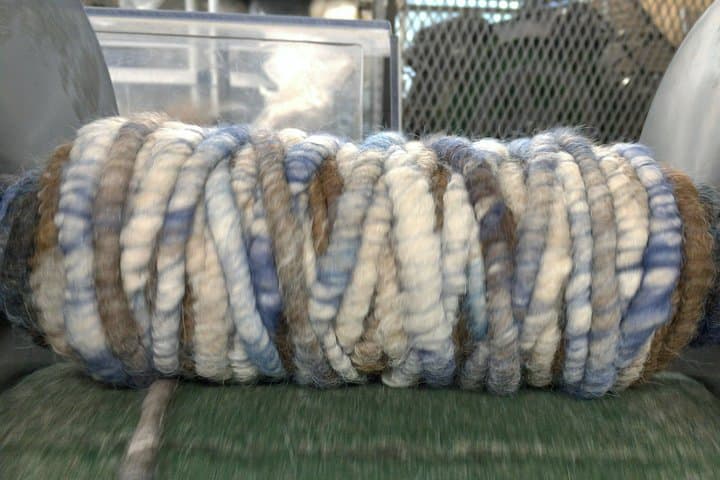
Alpacas arrived in the U.S. in the late 20th century as small-scale livestock focused on fiber quality rather than meat. Here in Washington, pastureland carved by glacial action and a maritime climate creates soft, dense fleeces prized by fiber artists. The mill tour traces a pragmatic arc from raw shearing to washing, carding, and spinning—machines that marry traditional craft with modern efficiency.
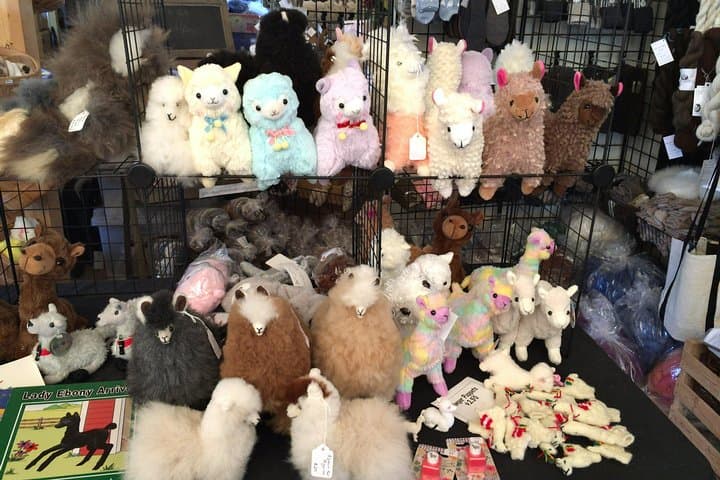
Visit with local handlers to learn feeding etiquette, fiber grading, and the basics of dyeing and finishing. The on-site shop showcases hats, scarves, and home goods made from the same fleece you’ll see processed—an immediate loop from animal to artisan.
Practical notes: tours run about 90 minutes, are family-friendly and mostly wheelchair accessible, though there are some stairs to the shop. Dress for the elements—waterproof shoes and a light jacket are sensible year-round. Bring a camera, small bills for the boutique, and soft hands: alpacas are social but prefer calm attention. Expect close-up interaction, clear answers about fiber production, and a concise view of how small mills support local crafts and sustainable animal husbandry.
easy.
1.5 hours.
Suitable for most fitness levels; mostly standing and short, flat walks around pens and the mill
Yes—tours are family-friendly; infants may ride in strollers and should sit on laps when required.
Most alpaca areas are wheelchair accessible, though there are 14 stairs to the shop—staff can advise on routing.
Yes—guests can hand-feed and pet alpacas under the guidance of handlers using ranch-approved feed.
You will tour the working mill and see washing, carding, and spinning demonstrations, plus finished products in the boutique.
Alpaca farming in the U.S. expanded in the late 20th century, with many small family farms developing local mills to retain value in fiber production.
Small-scale farms often practice rotational grazing and local processing to reduce transport emissions and support regional craft economies.
Tahoma Vista Fiber Mill operates guided outdoor trips and adventures with an emphasis on safety, stewardship, and memorable experiences.
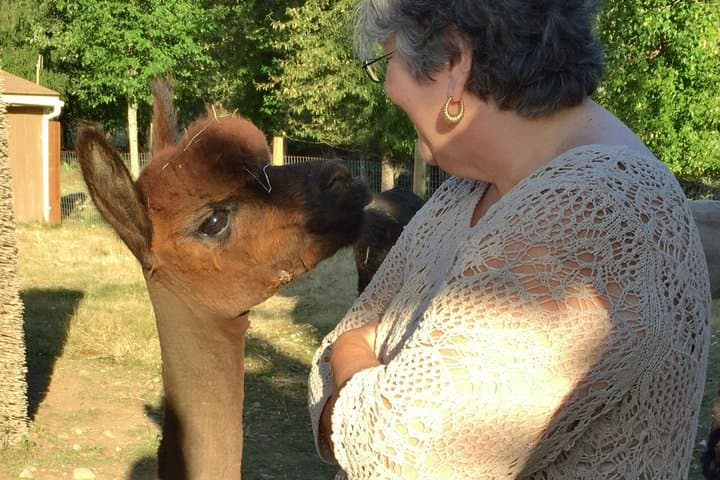
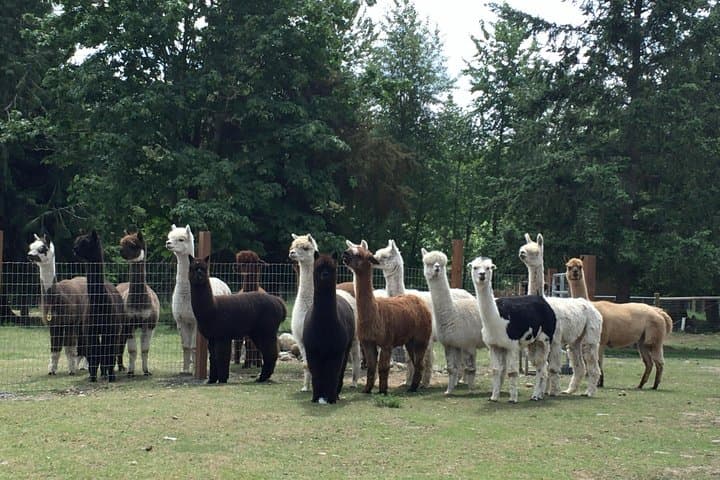
You step onto a working ranch and the first thing that reaches you is the muffled shuffle of padded feet and the soft, curious faces of alpacas. The animals crowd the fence, eager for hand-feeding, their long necks and expressive eyes moving with deliberate curiosity. Behind them, a low brick-and-steel mill hums: carders and spinners turning raw fleece into yarn, and yarn into finished products on racks in the boutique.
You step onto a working ranch and the first thing that reaches you is the muffled shuffle of padded feet and the soft, curious faces of alpacas. The animals crowd the fence, eager for hand-feeding, their long necks and expressive eyes moving with deliberate curiosity. Behind them, a low brick-and-steel mill hums: carders and spinners turning raw fleece into yarn, and yarn into finished products on racks in the boutique.
Alpacas arrived in the U.S. in the late 20th century as small-scale livestock focused on fiber quality rather than meat. Here in Washington, pastureland carved by glacial action and a maritime climate creates soft, dense fleeces prized by fiber artists. The mill tour traces a pragmatic arc from raw shearing to washing, carding, and spinning—machines that marry traditional craft with modern efficiency.
Visit with local handlers to learn feeding etiquette, fiber grading, and the basics of dyeing and finishing. The on-site shop showcases hats, scarves, and home goods made from the same fleece you’ll see processed—an immediate loop from animal to artisan.
Practical notes: tours run about 90 minutes, are family-friendly and mostly wheelchair accessible, though there are some stairs to the shop. Dress for the elements—waterproof shoes and a light jacket are sensible year-round. Bring a camera, small bills for the boutique, and soft hands: alpacas are social but prefer calm attention. Expect close-up interaction, clear answers about fiber production, and a concise view of how small mills support local crafts and sustainable animal husbandry.