THE ADVENTURE COLLECTIVE® · Independent discovery and booking for outdoor travel

Spend 90 minutes meeting and leading alpacas and llamas at the base of Jenny Jump State Park. This hands-on family activity blends animal handling, fleece education, and a gentle guided walk through pastureland.
Spend 90 minutes meeting and leading alpacas and llamas at the base of Jenny Jump State Park. This hands-on family activity blends animal handling, fleece education, and a gentle guided walk through pastureland.
You step out of the car into a field rimmed by the low ridgeline of Jenny Jump and the land exhales — a cool brook threads through the pasture, daring you to slow down. A small herd lifts their heads; alpacas watch with soft curiosity, llamas stand taller and patient like guardians of the paddock. The guide hands you a handful of pellets and explains how fleece, posture and herd behavior differ: alpacas are social and tactile, llamas deliberate and sure-footed.
Verified experiences and guided adventures in the surrounding area.
Operated by Hidden Brook Ranch Alpaca Tour · Blairstown, New Jersey
You step out of the car into a field rimmed by the low ridgeline of Jenny Jump and the land exhales — a cool brook threads through the pasture, daring you to slow down. A small herd lifts their heads; alpacas watch with soft curiosity, llamas stand taller and patient like guardians of the paddock. The guide hands you a handful of pellets and explains how fleece, posture and herd behavior differ: alpacas are social and tactile, llamas deliberate and sure-footed.
This stretch of Warren County sits on the rolling, glacially influenced uplands of northwestern New Jersey. Indigenous people and early colonial farmers shaped the same parcels that now host fiber animals and family farms; the South American origins of alpacas and llamas bring an ecological contrast to local pastures and a modern cultural interest in sustainable fiber.
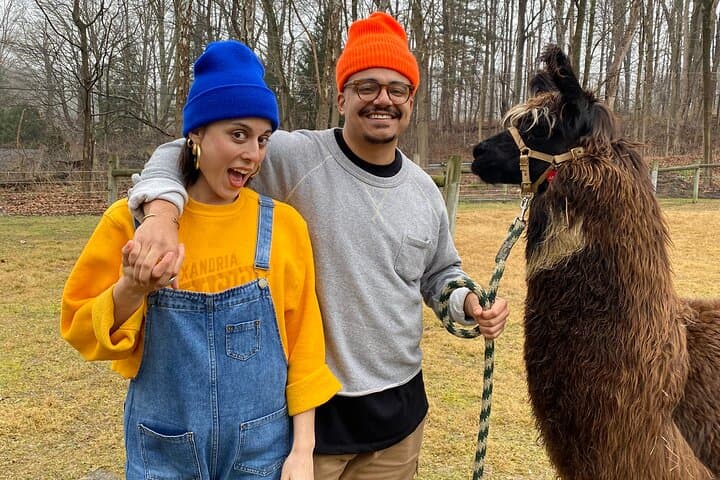
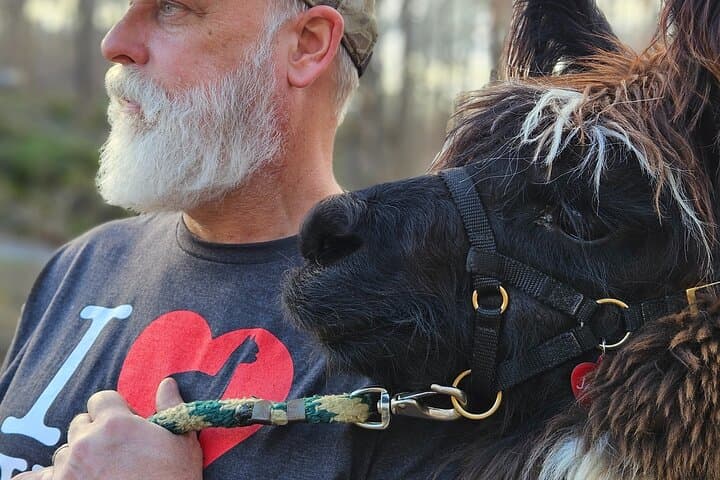
Expect a 90-minute experience: an introductory meet-and-greet, a short talk on fleece and handling, then a guided walk where participants over five lead an animal around fenced grazing lanes. The terrain is flat to gently sloping pasture with soft grass underfoot and a few mud patches after rain; much of the site is accessible for strollers and mobility aids. Guides demonstrate safe feeding, halter use and how to read animal signals.
Practical: wear closed-toe shoes, bring a refillable water bottle, and dress for the weather — wind on the ridge can be cooler. Arrive 10–15 minutes early for a quick orientation; the ranch closes or reschedules in heavy rain. Come ready to interact calmly, keep sudden movements low, and collect a handful of fleece knowledge to take home.
easy.
1.5 hours.
Suitable for most fitness levels — short, slow-paced walk on pasture with minimal elevation change
Participants must be at least 5 years old to lead an animal; children under 16 must be accompanied by a paying adult.
Yes — the property has accessible areas and paths suitable for wheelchairs and strollers, though some grassy patches can be uneven.
No — only ranch-provided feed is allowed to ensure animals receive a safe, dietary-controlled diet.
The operator may cancel or reschedule in heavy rain for animal and guest safety; check the cancellation policy and contact the ranch if weather looks poor.
The area around Jenny Jump has colonial-era farms and long-standing smallholdings; today's fiber farms are a modern continuation of regional agriculture.
Ranchers here emphasize responsible animal care and pasture rotation; visitors are asked to avoid off-path wandering to protect riparian zones and soil structure.
Hidden Brook Ranch Alpaca Tour operates guided outdoor trips and adventures with an emphasis on safety, stewardship, and memorable experiences.
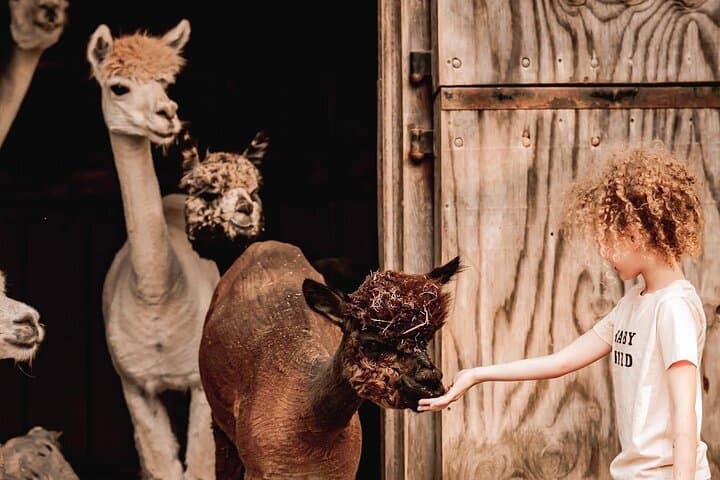
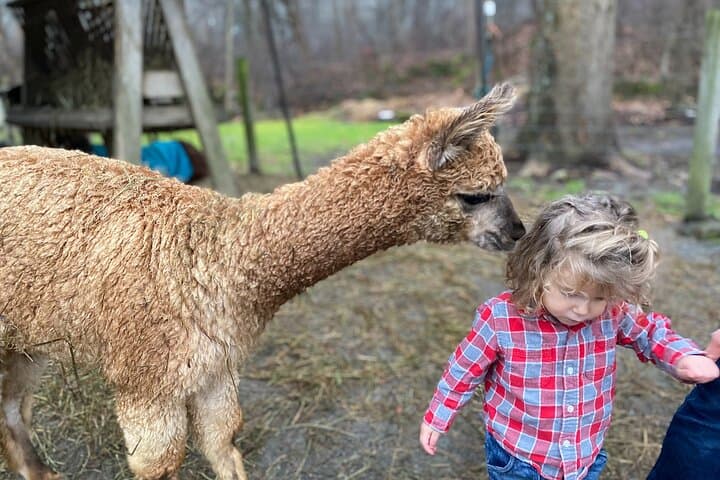
You step out of the car into a field rimmed by the low ridgeline of Jenny Jump and the land exhales — a cool brook threads through the pasture, daring you to slow down. A small herd lifts their heads; alpacas watch with soft curiosity, llamas stand taller and patient like guardians of the paddock. The guide hands you a handful of pellets and explains how fleece, posture and herd behavior differ: alpacas are social and tactile, llamas deliberate and sure-footed.
You step out of the car into a field rimmed by the low ridgeline of Jenny Jump and the land exhales — a cool brook threads through the pasture, daring you to slow down. A small herd lifts their heads; alpacas watch with soft curiosity, llamas stand taller and patient like guardians of the paddock. The guide hands you a handful of pellets and explains how fleece, posture and herd behavior differ: alpacas are social and tactile, llamas deliberate and sure-footed.
This stretch of Warren County sits on the rolling, glacially influenced uplands of northwestern New Jersey. Indigenous people and early colonial farmers shaped the same parcels that now host fiber animals and family farms; the South American origins of alpacas and llamas bring an ecological contrast to local pastures and a modern cultural interest in sustainable fiber.
Expect a 90-minute experience: an introductory meet-and-greet, a short talk on fleece and handling, then a guided walk where participants over five lead an animal around fenced grazing lanes. The terrain is flat to gently sloping pasture with soft grass underfoot and a few mud patches after rain; much of the site is accessible for strollers and mobility aids. Guides demonstrate safe feeding, halter use and how to read animal signals.
Practical: wear closed-toe shoes, bring a refillable water bottle, and dress for the weather — wind on the ridge can be cooler. Arrive 10–15 minutes early for a quick orientation; the ranch closes or reschedules in heavy rain. Come ready to interact calmly, keep sudden movements low, and collect a handful of fleece knowledge to take home.