THE ADVENTURE COLLECTIVE® · Independent discovery and booking for outdoor travel

Set out from Mirissa Harbor at dawn on a six-hour, all-inclusive whale- and dolphin-watching voyage. Expect professional guides, light breakfast, and the chance to see blue whales, sperm whales and playful dolphins in nutrient-rich waters off Sri Lanka’s southern coast.
Set out from Mirissa Harbor at dawn on a six-hour, all-inclusive whale- and dolphin-watching voyage. Expect professional guides, light breakfast, and the chance to see blue whales, sperm whales and playful dolphins in nutrient-rich waters off Sri Lanka’s southern coast.
Morning light breaks over Mirissa Harbor and the boat slips out past fishing skiffs, the shoreline shrinking into a band of palm-fringed sand. Salted air and the slap of hull on calm water set a steady rhythm; guides scan the horizon with binoculars while steaming cups and light breakfast circulate through the cabin.
Verified experiences and guided adventures in the surrounding area.
Operated by Saray El-Nile · Mirissa, Southern Province
Morning light breaks over Mirissa Harbor and the boat slips out past fishing skiffs, the shoreline shrinking into a band of palm-fringed sand. Salted air and the slap of hull on calm water set a steady rhythm; guides scan the horizon with binoculars while steaming cups and light breakfast circulate through the cabin.
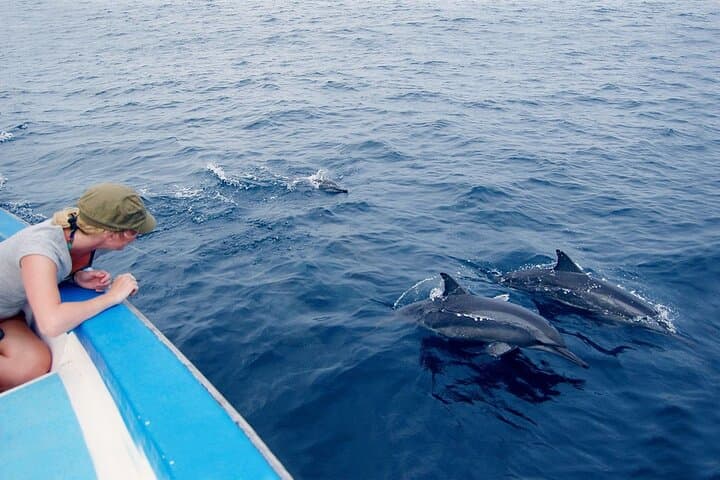
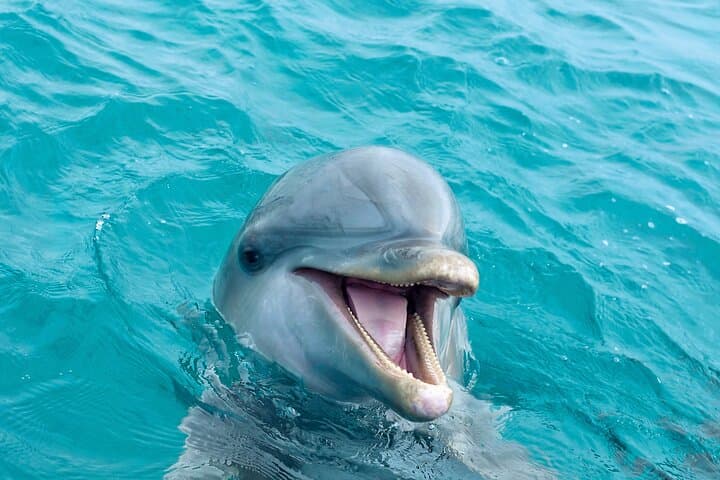
The southern coast of Sri Lanka sits along a major migratory corridor where blue whales, sperm whales and fast-moving pods of spinner and bottlenose dolphins pass seasonally. Geologically, the continental shelf drops quickly offshore here, bringing nutrient-rich upwellings that feed krill and attract large cetaceans. Mirissa itself evolved from a fishing village into a whale-watching hub in the last two decades—local crews now balance tourism with traditional livelihoods.
Expect a six-hour outing that spends most of its time 5–15 km offshore, where guides combine local knowledge and marine spotting techniques to locate animals. The experience is mostly seated and easy on fitness, but sea conditions can change: mornings are statistically calmer, improving both sighting chances and comfort. Photographers should bring fast lenses and a steady hand; depth and lighting shift quickly on the open sea.
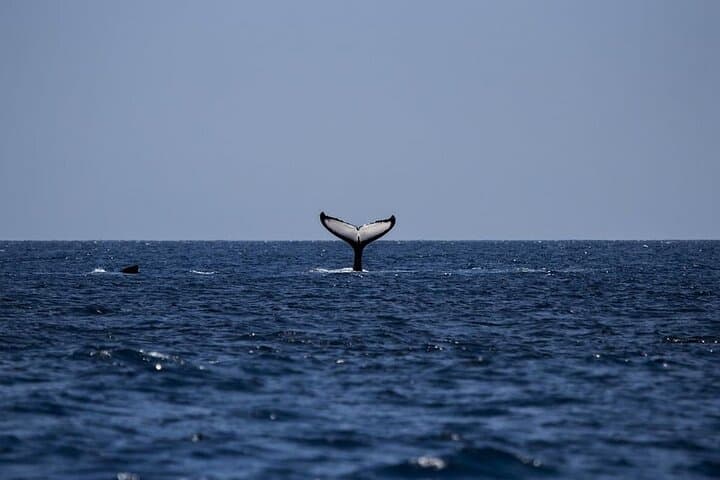
Practical notes: take seasickness prevention if you’re sensitive, wear sun protection and closed-toe shoes for boarding, and keep water and light layers handy for a cool breeze. Respect guide instructions—ethical viewing distances are part of sustainable tourism here. Return to Mirissa with salty hair, a camera full of breached tails and a clearer sense of the ocean’s scale.
easy.
6 hours.
Minimal fitness required—mostly seated but be prepared for stairs and short climbs when boarding; stable balance recommended
Peak season runs November through April when ocean conditions are calmer and sightings of blue whales and sperm whales are most frequent.
No—wildlife cannot be guaranteed. Experienced crews and seasonal timing increase your chances, but sightings depend on animal movements and weather.
Yes—tours are family-friendly but infants must sit on a caregiver’s lap and parents should assess seasickness risk for young children.
Bring a telephoto lens (200–400mm ideal), a secure strap, spare batteries and a waterproof cover; shooting from a moving boat benefits from higher shutter speeds.
Mirissa grew from a fishing community; whale watching emerged recently as locals transitioned boats and knowledge to marine tourism while maintaining traditional fisheries.
Operators in Mirissa increasingly follow no‑chase and distance guidelines; choose licensed boats that prioritize minimal disturbance and local employment.
Saray El-Nile operates guided outdoor trips and adventures with an emphasis on safety, stewardship, and memorable experiences.
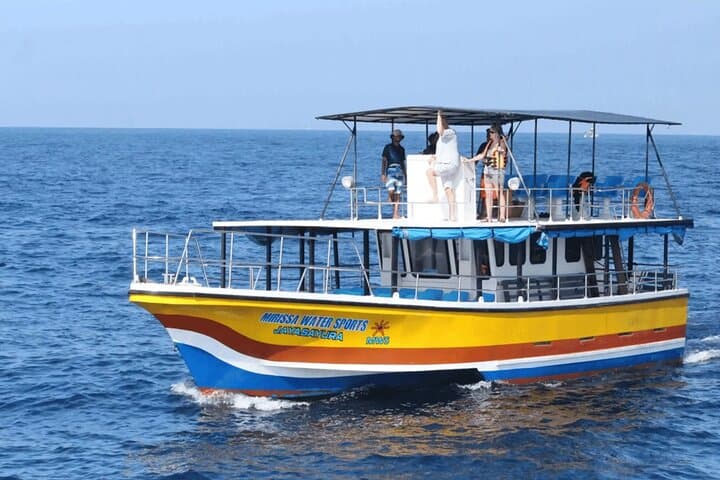
Morning light breaks over Mirissa Harbor and the boat slips out past fishing skiffs, the shoreline shrinking into a band of palm-fringed sand. Salted air and the slap of hull on calm water set a steady rhythm; guides scan the horizon with binoculars while steaming cups and light breakfast circulate through the cabin.
Morning light breaks over Mirissa Harbor and the boat slips out past fishing skiffs, the shoreline shrinking into a band of palm-fringed sand. Salted air and the slap of hull on calm water set a steady rhythm; guides scan the horizon with binoculars while steaming cups and light breakfast circulate through the cabin.
The southern coast of Sri Lanka sits along a major migratory corridor where blue whales, sperm whales and fast-moving pods of spinner and bottlenose dolphins pass seasonally. Geologically, the continental shelf drops quickly offshore here, bringing nutrient-rich upwellings that feed krill and attract large cetaceans. Mirissa itself evolved from a fishing village into a whale-watching hub in the last two decades—local crews now balance tourism with traditional livelihoods.
Expect a six-hour outing that spends most of its time 5–15 km offshore, where guides combine local knowledge and marine spotting techniques to locate animals. The experience is mostly seated and easy on fitness, but sea conditions can change: mornings are statistically calmer, improving both sighting chances and comfort. Photographers should bring fast lenses and a steady hand; depth and lighting shift quickly on the open sea.
Practical notes: take seasickness prevention if you’re sensitive, wear sun protection and closed-toe shoes for boarding, and keep water and light layers handy for a cool breeze. Respect guide instructions—ethical viewing distances are part of sustainable tourism here. Return to Mirissa with salty hair, a camera full of breached tails and a clearer sense of the ocean’s scale.