THE ADVENTURE COLLECTIVE® · Independent discovery and booking for outdoor travel

A full-day river expedition that pairs Dutch colonial forts with an island lunch and waterfall dip. Expect a 12‑hour mix of boat travel, short walks, local stories and time to swim.
A full-day river expedition that pairs Dutch colonial forts with an island lunch and waterfall dip. Expect a 12‑hour mix of boat travel, short walks, local stories and time to swim.
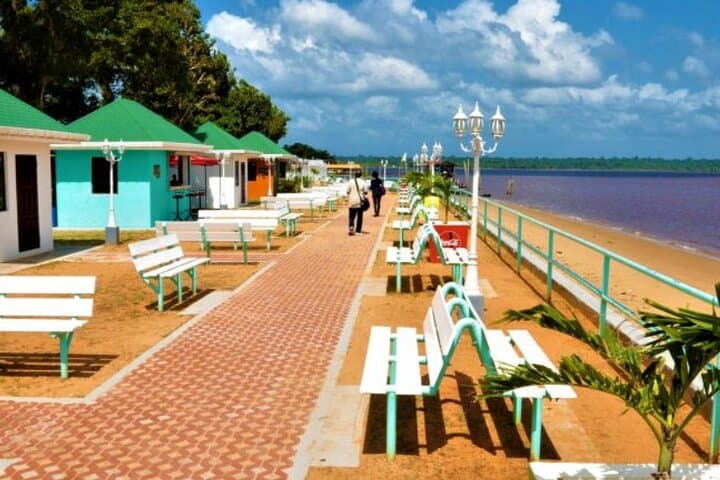
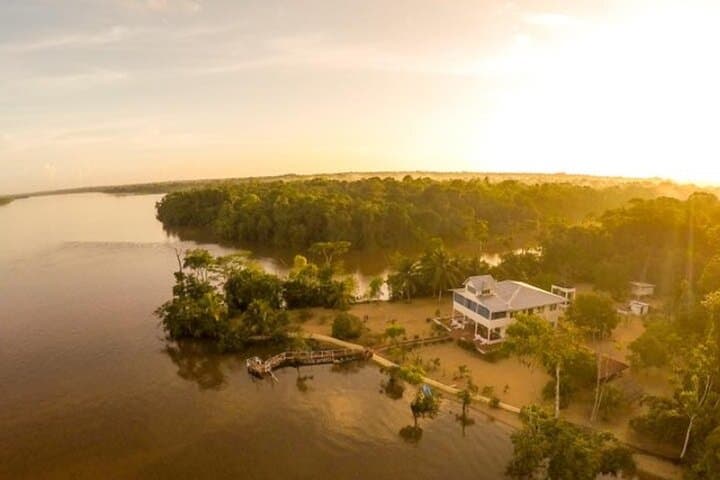
You step off the road into a slow-moving world of brown water and broad sky—the Essequibo pushing past low mangrove banks, daring you to leave the city behind. The day moves like the river: deliberate, revealing. Wooden longboats thread past sandbars; palms lean as if to listen.
Verified experiences and guided adventures in the surrounding area.
Operated by Dagron Tours · Georgetown, Demerara-Mahaica
You step off the road into a slow-moving world of brown water and broad sky—the Essequibo pushing past low mangrove banks, daring you to leave the city behind. The day moves like the river: deliberate, revealing. Wooden longboats thread past sandbars; palms lean as if to listen.
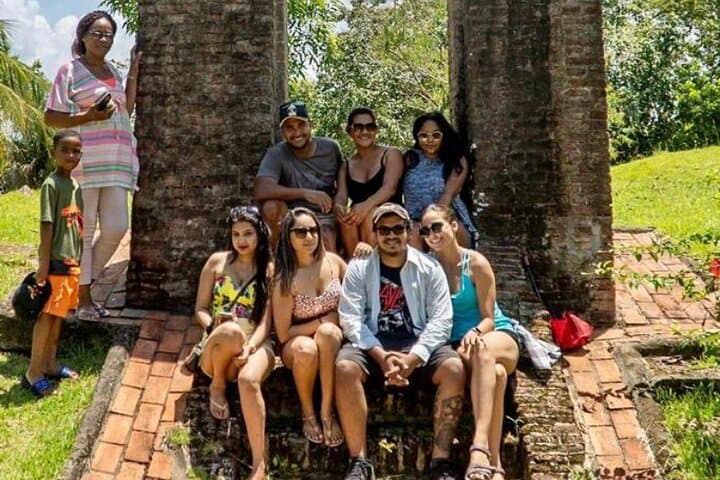
This tour threads together Dutch colonial sites—18th-century Fort Zeelandia and the compact Fort Kyk-Over-Al—with the living river culture of Bartica, the so-called gateway to Guyana’s interior. Geologically the Essequibo is a spine for the region, fed by the gold- and diamond-bearing Cuyuni and Mazaruni tributaries; its channels reveal sediment patterns and seasonal swells that shaped local settlements. Along the way, guides point out riverside communities, talk about river transport, and explain how colonial rivalries carved the coast and interior.
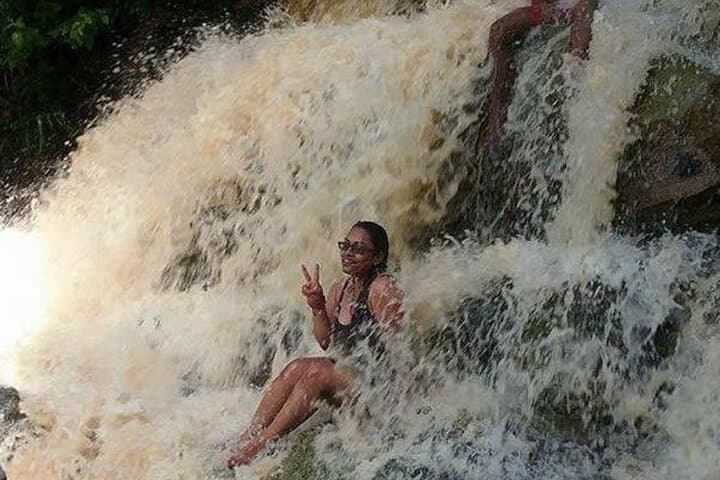
Practical guidance comes naturally: the full-day itinerary is about 12 hours and combines road transfers and boat travel, with timed stops for a riverside lunch on Sloth Island (Aruwai) and a swim at Baracara Falls. Expect uneven boat decks, short walks over compacted sand and stone, and occasional muddy steps to the water—water shoes are recommended. Small groups mean time for questions and photos; moderate fitness is enough, but bring sun protection, insect repellent, and a refillable bottle. Cameras with waterproof cases are useful for waterfall shots.
Plan for heat and sudden showers, and listen to local guides—many conservation practices on the river rely on visitors who leave no trace and respect nesting birds and river life. The result is a single, coherent day that balances history, nature, and slow-river leisure.
moderate.
12 hours.
Moderate fitness: able to manage several short walks, boat boarding, and a brief climb or two at forts.
Most departures start in Georgetown with provided round‑trip transportation by road to the river launch point; confirm your pickup location when booking.
Yes—families commonly join; the pace is steady with options to rest, but it isn’t recommended for travelers with serious spinal problems or pregnancy.
Yes—there are supervised swimming stops; water shoes are recommended and follow guide advice about currents and safe entry points.
Lunch, bottled water, snacks and entrance fees listed in the itinerary are included in the all‑inclusive price.
Fort Zeelandia and Fort Kyk‑Over‑Al reflect Dutch and later British contestation of the Essequibo corridor; these sites tell the story of colonial trade and riverine control.
River health is affected by upstream mining and sedimentation; follow guide guidance, avoid littering, and use reef‑safe sunscreen where possible.
Dagron Tours operates guided outdoor trips and adventures with an emphasis on safety, stewardship, and memorable experiences.
You step off the road into a slow-moving world of brown water and broad sky—the Essequibo pushing past low mangrove banks, daring you to leave the city behind. The day moves like the river: deliberate, revealing. Wooden longboats thread past sandbars; palms lean as if to listen.
You step off the road into a slow-moving world of brown water and broad sky—the Essequibo pushing past low mangrove banks, daring you to leave the city behind. The day moves like the river: deliberate, revealing. Wooden longboats thread past sandbars; palms lean as if to listen.
This tour threads together Dutch colonial sites—18th-century Fort Zeelandia and the compact Fort Kyk-Over-Al—with the living river culture of Bartica, the so-called gateway to Guyana’s interior. Geologically the Essequibo is a spine for the region, fed by the gold- and diamond-bearing Cuyuni and Mazaruni tributaries; its channels reveal sediment patterns and seasonal swells that shaped local settlements. Along the way, guides point out riverside communities, talk about river transport, and explain how colonial rivalries carved the coast and interior.
Practical guidance comes naturally: the full-day itinerary is about 12 hours and combines road transfers and boat travel, with timed stops for a riverside lunch on Sloth Island (Aruwai) and a swim at Baracara Falls. Expect uneven boat decks, short walks over compacted sand and stone, and occasional muddy steps to the water—water shoes are recommended. Small groups mean time for questions and photos; moderate fitness is enough, but bring sun protection, insect repellent, and a refillable bottle. Cameras with waterproof cases are useful for waterfall shots.
Plan for heat and sudden showers, and listen to local guides—many conservation practices on the river rely on visitors who leave no trace and respect nesting birds and river life. The result is a single, coherent day that balances history, nature, and slow-river leisure.